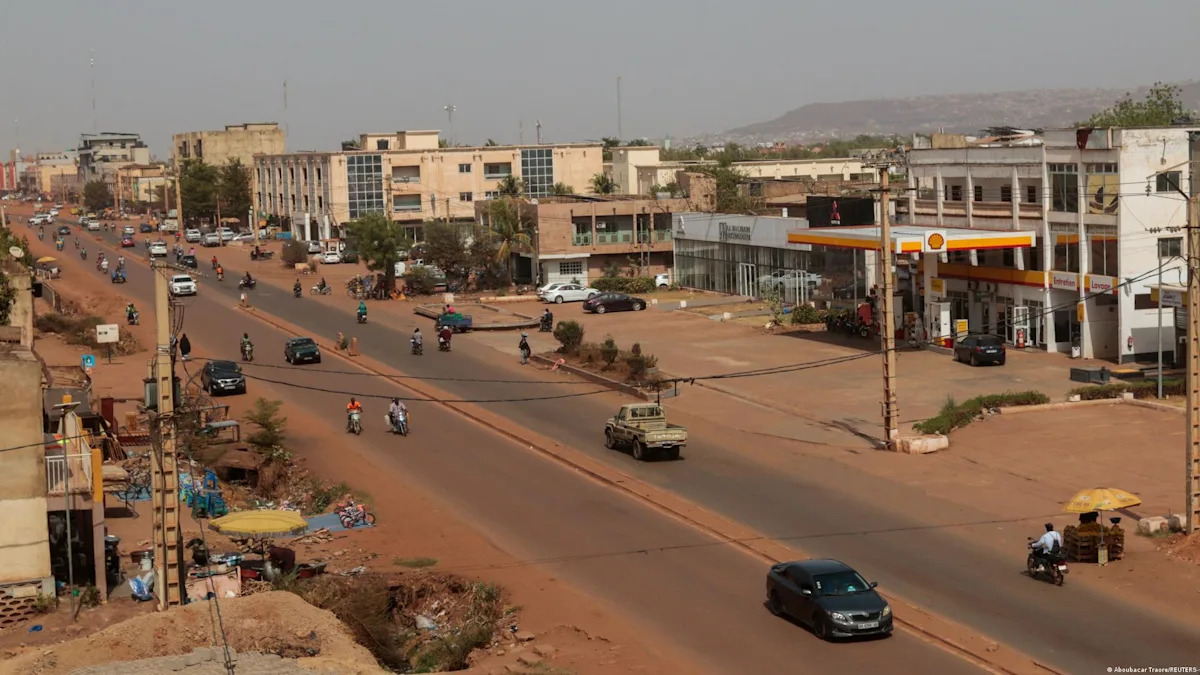
The human rights watchdog Amnesty International has issued an urgent call for jihadist factions in Mali to immediately lift restrictions on civilian movement, warning that prolonged road blockades around the capital Bamako are pushing the population toward a humanitarian catastrophe.
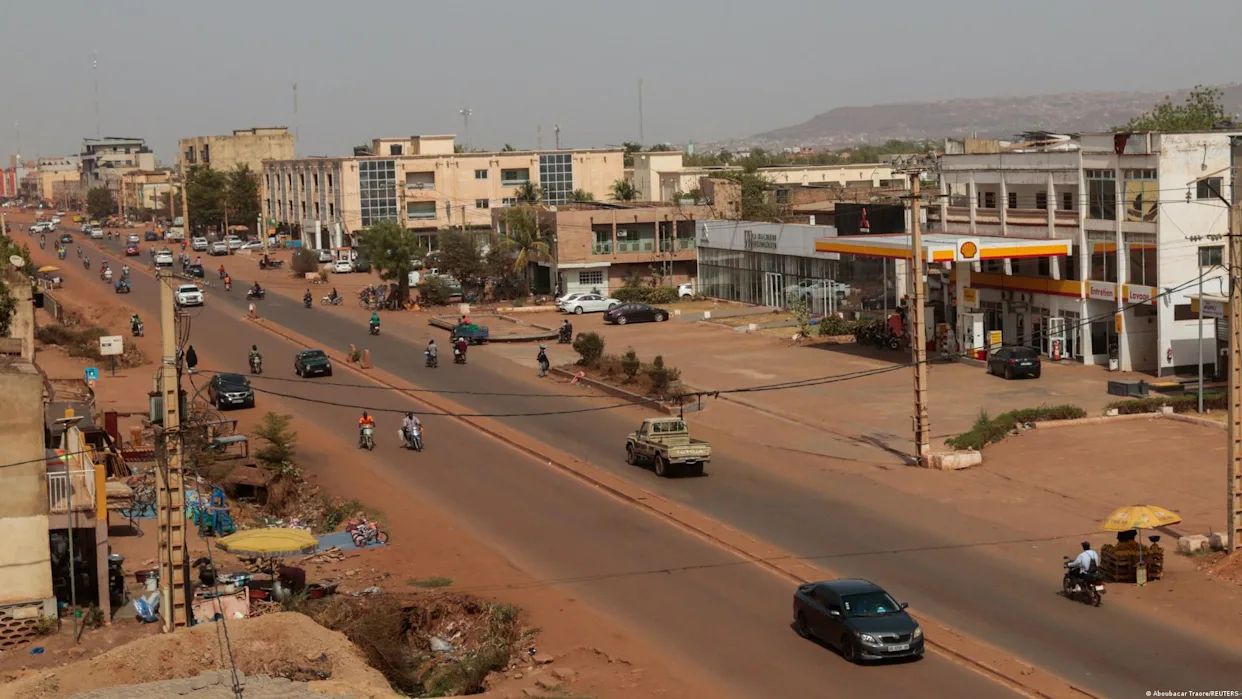
“The current blockade of Bamako is having unacceptable consequences on civilians’ freedom of movement and risks leading to severe violations of their rights to food security, health, and life,” Amnesty stated in a statement released this week.
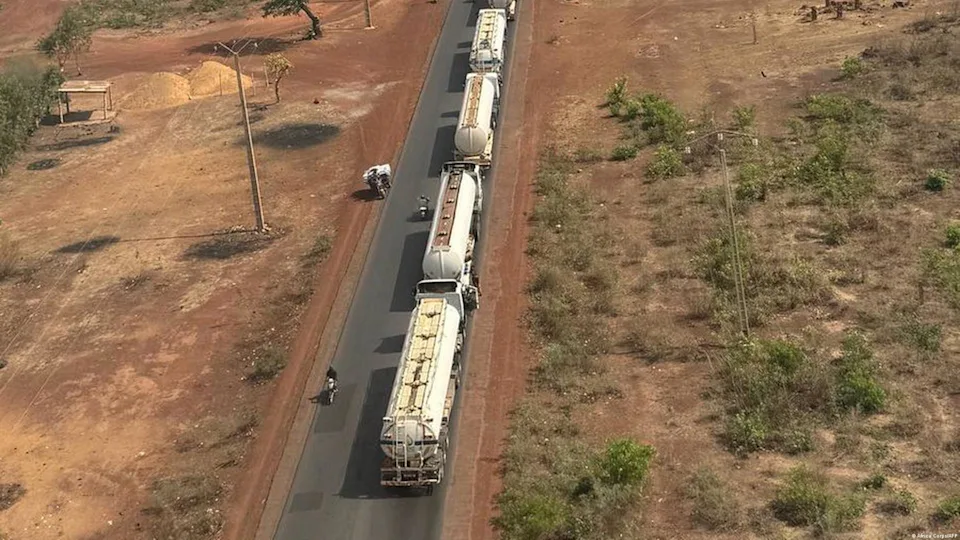
The organization specifically condemned an attack on May 6 against a civilian convoy transporting goods—including fresh produce—between Bamako and Bougouni. According to Amnesty, the trucks were neither military escorts nor carrying weapons or personnel.
Military intensifies operations in northern Mali
Meanwhile, Malian armed forces have announced plans to escalate aerial and ground operations targeting positions held by the Group for the Support of Islam and Muslims (JNIM) and allied Tuareg separatists in Kidal. The city has been under rebel control since late April, with reports indicating widespread power outages and disrupted communications.
A resident from Kidal described the situation as “a climate of distrust,” compounded by conflicting information from military and rebel sources. In Gao, another resident reported a sharp rise in food prices, with onions doubling in cost over the past month.
Analysts warn that the conflict is expanding beyond traditional hotspots. Hervé Lankoandé Wendyam, an independent analyst specializing in West African security dynamics, noted that “there is a deliberate strategy to sever the North from the rest of the country, while in central Mali, the JNIM is escalating violence by targeting urban centers.”
Deteriorating conditions in central Mali
Local sources report that jihadist groups now control areas along the left bank of the Niger River in the Ségou and Koulikoro regions, where state institutions have effectively withdrawn. Schools remain closed in these zones, and residents face extortion through illegal taxation. Official data indicates that over 2,300 schools across Mali are currently shut, with the North and Center bearing the brunt of closures.
Abdoulaye Sounaye, a researcher focused on jihadist movements in the Sahel, suggests that both Malian forces and militant groups are in a phase of “reorganization and rearmament.” He cautioned that “civilians will continue to suffer the consequences of clashes between these factions.”
Experts emphasize that a durable solution requires inclusive dialogue involving all stakeholders. Ahmed Ould Abdallah, director of the 4S Center, stated that “the current crisis can only be resolved through political negotiation and national reconciliation.” He urged the Malian government to “open channels for genuine dialogue with all social and political components of the country.”
Despite the government’s official stance rejecting negotiations with groups labeled as terrorists, confidential talks have reportedly taken place to facilitate fuel supplies. Abdoulaye Sounaye predicts that “sooner or later, these forces will be compelled to come to the negotiating table to reach a compromise.”