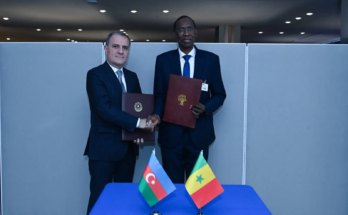
In a notable moment for Senegal’s political landscape, the release of a new book by Oumar Demba Bâ, former diplomatic advisor to outgoing President Macky Sall, has shed light on the inner workings of Senegal’s foreign policy between 2012 and 2024. The book launch event in Dakar drew together political figures, diplomats, and analysts eager to explore a firsthand account of the country’s international engagements during Sall’s presidency. Among the speakers, former Foreign Minister Aïssata Tall Sall delivered a keynote address that added depth to the narrative, making the book a compelling read for those interested in Senegal’s diplomatic history.
Behind the scenes: How Senegal shaped its global role under Macky Sall
Oumar Demba Bâ served as a quiet but influential architect of Senegal’s diplomatic strategy during Macky Sall’s twelve years in office. His role involved crafting the country’s stances on critical regional and global issues, from West African integration within ECOWAS to complex mediations in the Sahel, and high-level engagements in cities like Addis Ababa, New York, and Paris. The book offers readers a rare glimpse into the decision-making processes that defined Senegal’s international posture, providing valuable insights into how the West African nation navigated a shifting global landscape.
In recent years, former government officials across West Africa have increasingly turned to the written word to document their experiences in power. This emerging trend reflects a broader effort to preserve institutional memory, offering future policymakers, diplomats, and researchers a clearer understanding of the challenges and compromises that shaped governance in the region. The book by Demba Bâ fits squarely within this growing tradition of post-tenure reflections.
Key insights from Aïssata Tall Sall on Senegal’s diplomatic legacy
During the launch event, Aïssata Tall Sall provided a detailed account of how President Macky Sall approached foreign relations, highlighting the close collaboration between the head of state and his trusted advisor. She emphasized how Demba Bâ operated as a pivotal, yet low-profile, intermediary, bridging the gap between the presidency and Senegal’s international partners. Her remarks touched on several pivotal moments in Senegal’s diplomatic history, including the country’s presidency of the African Union in 2022 and the complex dynamics surrounding the political transitions in Mali and Burkina Faso.
Tall Sall also underscored the meticulous approach Demba Bâ brought to every negotiation, describing him as a behind-the-scenes craftsman of Senegal’s international positioning. Her testimony transforms the book into more than a personal memoir—it becomes a crucial resource for understanding the nuances of Senegal’s foreign policy during a transformative period.
Navigating a transition: The book’s timing and significance
The publication arrives at a pivotal juncture in Senegal’s political evolution. Since President Bassirou Diomaye Faye took office in April 2024, scrutiny of the previous administration’s policies has intensified, particularly regarding public finances and strategic contracts. In this charged atmosphere, the perspectives of former officials like Demba Bâ and Tall Sall are being closely examined by both political circles and civil society in Senegal.
The book is not a tell-all exposé but rather a contextualized reflection on the diplomatic decisions made during Sall’s tenure. Demba Bâ’s narrative defends the achievements of his former boss while acknowledging the constraints and trade-offs that influenced key choices. This approach mirrors the post-office reflections of former presidential advisors in countries like France and Côte d’Ivoire, where outgoing officials often publish their accounts to shape historical interpretations of their time in power.
Analysts see the book’s publication as a signal of the outgoing political elite’s intent to remain influential beyond their time in office, using written works to contribute to public discourse. Whether the book resonates with Senegalese readers and regional diplomats remains to be seen, particularly as debates about governance over the past decade continue to unfold in the country.
What’s next for Senegal’s diplomatic narrative
The release of this book marks just one chapter in the ongoing conversation about Senegal’s political and diplomatic trajectory. As the nation moves forward, the insights shared by those who shaped its foreign policy during Macky Sall’s presidency will undoubtedly fuel further discussion, analysis, and perhaps even new inquiries into the decisions that defined an era.