In the eastern Democratic Republic of the Congo, the Ituri province witnessed another brutal assault attributed to the Allied Democratic Forces (ADF), an Ugandan-origin armed group linked to the Islamic State organization. At least thirteen civilians were killed and an entire village set ablaze during a nighttime raid, local authorities confirmed. This latest attack follows a long pattern of atrocities committed by the militia against rural communities in the region, where armed violence persists despite the presence of regular military forces.
Another tragic episode in a long-suffering region
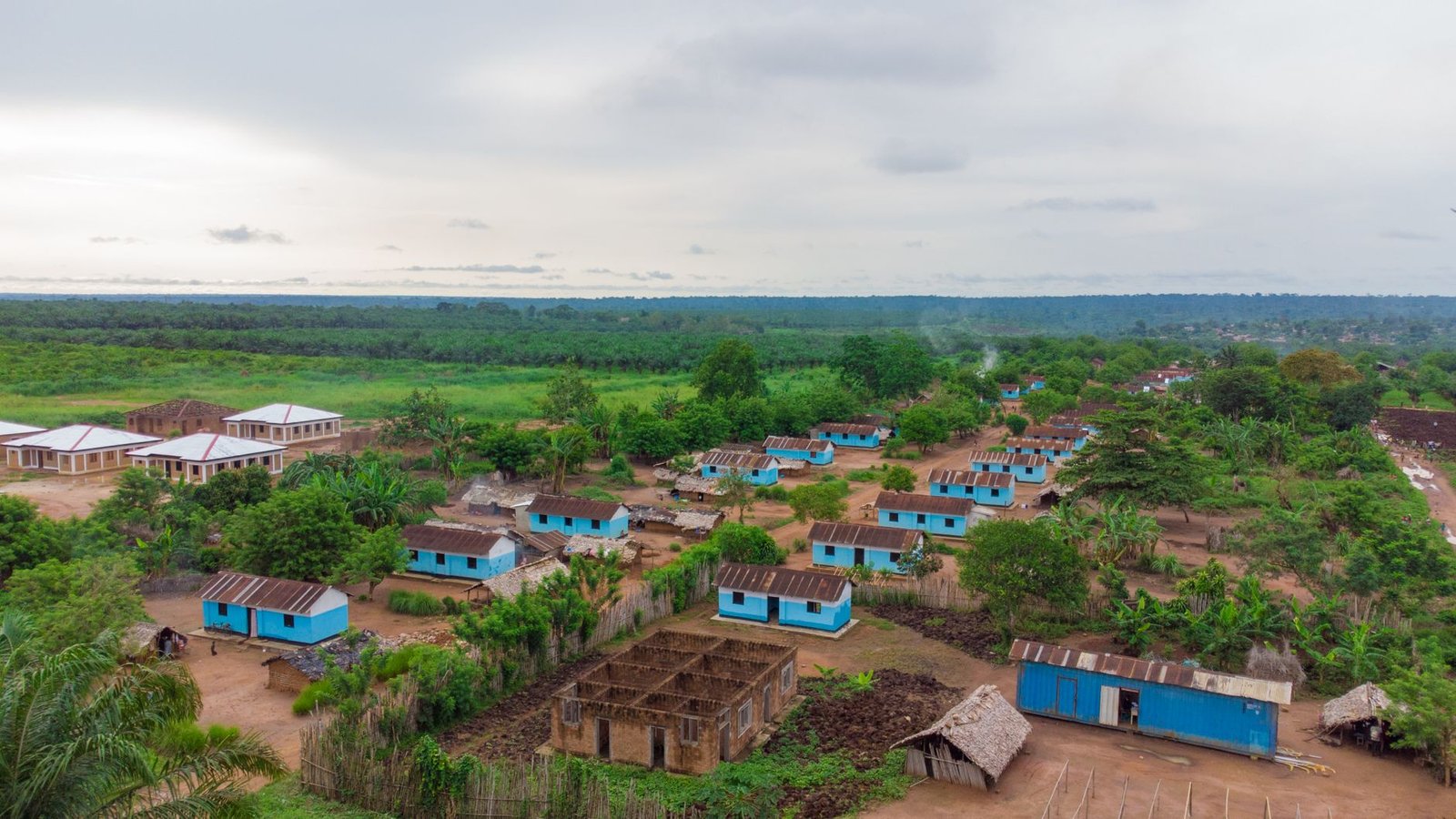
The assailants struck under cover of darkness, deliberately targeting defenseless residents before torching their homes. Nearly the entire village was reduced to ashes, forcing survivors to flee to neighboring areas with nothing but their lives. The tactics employed—lightning strikes on civilian targets, systematic arson, and the use of bladed weapons to conserve ammunition—match the ADF’s well-documented modus operandi, which has terrorized the northeastern Congo for over a decade.
The Ituri province, bordering Uganda and South Sudan, remains a hotspot of instability. Beyond the ADF threat, intercommunal clashes between Hema and Lendu militias, along with the lingering presence of local armed groups exploiting artisanal mining, further destabilize the area. The province has been under a state of siege since May 2021, a state of emergency that places civilian administration under military control—yet tangible improvements on the ground remain elusive.
The Shujaa operation under scrutiny
Since late 2021, the Armed Forces of the Democratic Republic of the Congo (FARDC) have collaborated with Uganda’s People’s Defence Forces (UPDF) in a joint operation named Shujaa, aimed at dismantling ADF sanctuaries in North Kivu and Ituri. Nearly four years into the campaign, assessments of its success are mixed. While several rebel bases have been destroyed, fighters have dispersed into mobile cells, intensifying attacks on isolated villages rather than confronting military convoys.
This diffuse operational style complicates countermeasures. The ADF leverages the dense equatorial forest, the porous Uganda border, and the near-total absence of communication infrastructure to strike and vanish. Each massacre fuels political unrest in Kinshasa, where opposition voices criticize the government’s failure to safeguard civilians despite substantial deployments and the gradual withdrawal, initiated in 2024, of the United Nations Organization Stabilization Mission in the DRC (MONUSCO).
A complex security puzzle
The UN disengagement leaves a void that the FARDC struggle to fill. In neighboring South Kivu and North Kivu, the resurgence of the M23, allegedly backed by Rwanda according to UN expert reports, has diverted most of Congo’s military resources. Ituri, in turn, has become a secondary front in Kinshasa’s security agenda, even as attacks there grow in frequency and severity since the year’s outset.
The humanitarian toll is equally dire. Hundreds of thousands of displaced individuals languish in makeshift camps around Bunia, the provincial capital, where aid organizations warn of critical shortages in food and medical supplies. The recurrent destruction of entire villages, as seen in the latest attack, only exacerbates homelessness and weakens the rural economy.
For Kinshasa, the stakes extend beyond military concerns. Stabilizing Ituri is pivotal to the central government’s credibility, securing trade routes with East Africa, and enabling the peaceful exploitation of one of the continent’s richest mineral reserves. Until the ADF’s disruptive capacity is neutralized, mining and logistics investors will remain cautious, depriving the province of the capital needed for recovery.