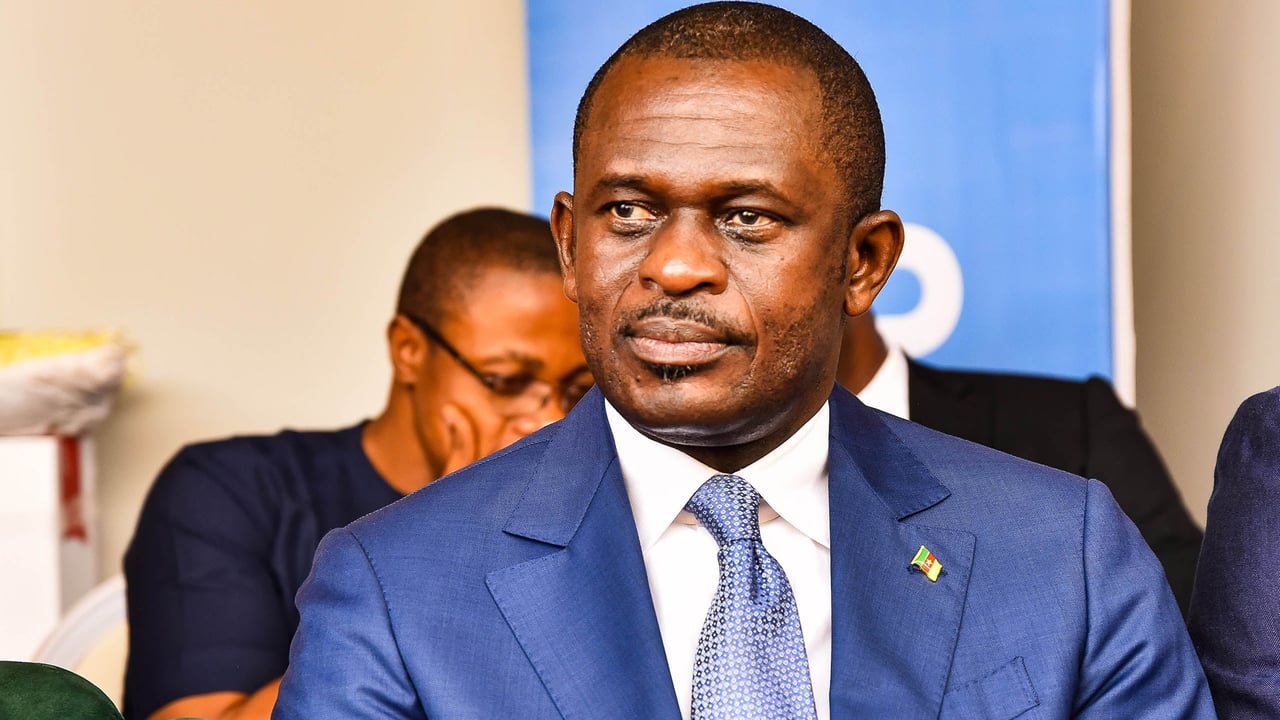

In a striking legal development, Oswald Baboke, Deputy Director of the Civil Cabinet of Cameroon’s President, has been summoned to appear before the Special Criminal Court in Yaoundé. The proceedings, unfolding behind closed doors, have sparked widespread speculation about their underlying motivations and potential implications for the country’s political landscape.
Unraveling the legal intrigue
The summons, delivered under formal judicial procedures, places Baboke at the center of an unfolding legal saga. While the Special Criminal Court operates with a mandate to address serious crimes, the specifics of the case remain shrouded in secrecy. Insiders suggest that Baboke’s involvement may be tied to allegations stemming from his official duties, though the nature of these accusations has not been publicly disclosed.
Legal analysts suggest that the timing of the summons could signal broader shifts in Cameroon’s judicial landscape. The court, established to handle high-profile cases, has recently intensified its scrutiny of public officials, raising questions about accountability and governance in the nation.
Reactions from the political sphere
Within political circles, the news has triggered a wave of reactions. Some observers view the summons as a necessary step toward transparency, while others caution against premature conclusions. Paul Biya, Cameroon’s long-serving President, has not yet commented publicly on the matter, leaving analysts to speculate about the potential impact on his administration.
The absence of an official statement has fueled further debate, with many questioning whether the summons is an isolated incident or part of a larger trend. Meanwhile, Baboke’s colleagues and allies have remained tight-lipped, adding to the air of mystery surrounding the case.
What comes next?
As the legal process unfolds, all eyes will be on the Special Criminal Court to see how it handles this high-stakes case. The court’s reputation for impartiality will be scrutinized, particularly in light of recent controversies surrounding its rulings. For Baboke, the summons represents a critical juncture—one that could redefine his career and influence within Cameroon’s corridors of power.
The coming weeks are expected to bring further clarity, though the closed-door nature of the proceedings may keep key details under wraps for the time being. Until then, the nation watches with bated breath as another chapter in Cameroon’s evolving legal drama takes shape.