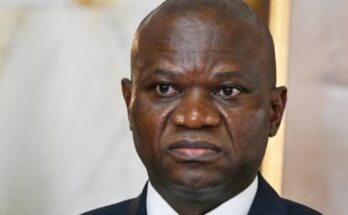
Established by Burkina Faso’s transitional authorities as a cornerstone of national recovery and restored sovereignty, the Faso Mêbo agency—spearheaded by Captain Ibrahim Traoré—has become a focal point of scrutiny. While official narratives highlight patriotism, collective effort, and visible urban development across key cities, growing concerns point to a troubling opacity in the management of public and civic funds.
visible progress vs. hidden concerns
The agency’s achievements are undeniable: freshly paved roads, rehabilitated drainage systems, and urban upgrades in Ouagadougou, Bobo-Dioulasso, and Koudougou present a narrative of rapid progress. By mobilizing youth, students, and the diaspora, Faso Mêbo has fostered a powerful image of public participation in nation-building.
Yet, economists and independent observers caution that this visibility may serve as a smokescreen for deeper systemic issues. One Burkinabè economist, speaking on condition of anonymity, remarked, “Labour-intensive projects, though cost-effective in execution, often obscure the broader question of where the mobilized funds ultimately lead.”
financial irregularities and lack of oversight
Criticism centers on the agency’s oversight mechanisms. Despite claims of transparent operations, the absence of independent auditing bodies raises serious doubts about the allocation of state and civic contributions. Internal documents and corroborated reports suggest irregularities, including non-competitive contract awards, inflated material costs, and opaque budget allocations—benefiting a narrow circle of officials.
a climate of constraint on dissent
The silence from oversight institutions and some local media outlets is frequently attributed to the current political climate, which exerts pressure on dissenting voices. Journalists, activists, and magistrates who have questioned Faso Mêbo’s operations have faced intimidation or reassignment to conflict zones. Human rights organizations have also documented cases of disappearances and rights violations, fostering an environment of fear that stifles investigative efforts.
patriotism vs. accountability in infrastructure development
Analysts describe Faso Mêbo’s approach as ‘infrastructural populism’—visible progress that bolsters public support while sidelining governance and transparency. While community engagement in projects is commendable, critics argue that such enthusiasm must not overshadow the imperative of fiscal responsibility. For them, tangible improvements in living conditions cannot compensate for the lack of accountability in public spending.