Macky Sall’s return to Senegal sparks political tension
Former Senegalese president’s surprise visit raises questions about justice and political alliances
- July 17, 2026
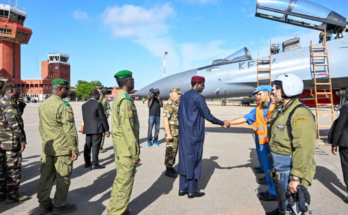
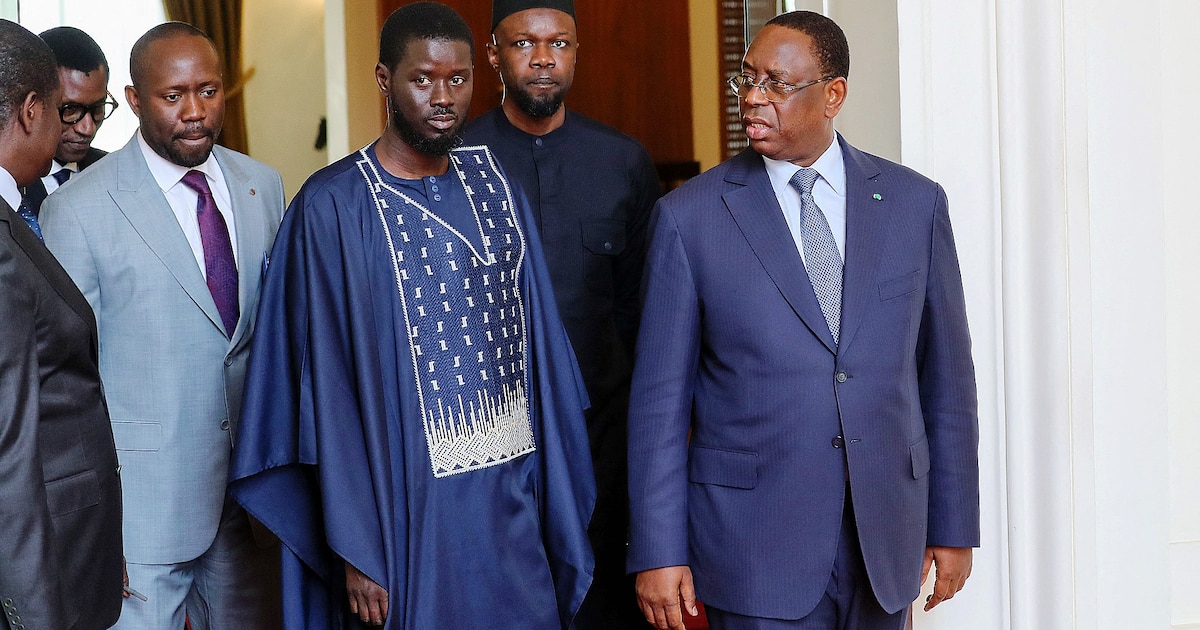
The political landscape in Senegal has been shaken by an unexpected development: former president Macky Sall, who was defeated in the 2024 elections and has been living in exile, will land at Yoff military airport in Dakar this Friday. The visit, marked by protocol, includes a scheduled meeting between the former president and his successor, Bassirou Diomaye Faye—a move that has left many Senegalese stunned given the history between the two men.
Old wounds resurface
Bassirou Diomaye Faye was still incarcerated at Cap Manuel prison just weeks before the 2024 elections, along with hundreds of members of his Pastef party. The timing of Sall’s arrival has reopened deep divisions in Senegalese society, particularly among those who suffered under his administration’s crackdown on dissent.
Aly Coly, a former political prisoner, recalls the trauma: “They even jailed my wife and our three-month-old baby. Today, as I watch my son play, I hear our president is welcoming the man who orchestrated this repression.”
Unresolved justice
Statistics from the period tell a grim story: over a thousand political detainees were arrested, sometimes for wearing Pastef bracelets. Sixty-five people lost their lives in protests and riots between 2021 and 2024. For many, including Aly, the lack of accountability remains glaring: “No investigations, no consequences for those responsible. Macky Sall’s return feels like the resurrection of the old system. We’re not blind to it.”
The UN ambition behind the visit
Sall has not hidden the purpose of his short stay: his candidacy for Secretary-General of the United Nations. In an official statement, he linked the visit to this bid, positioning himself as a champion of multilateralism and impartiality. Yet his path to the UN’s top job remains uncertain, particularly without the backing of the African Union or his own country’s support. A potential endorsement from President Faye could change that.
The irony is not lost on critics like Aly: “The UN’s mission is to defend human rights. How could someone responsible for 60 deaths lead such an institution?”
A strategic gamble for Senegal
For others, Sall’s potential appointment could bolster Senegal’s international standing. Maurice Soundieck Dione, a political science professor at Gaston Berger University, argues: “It would enhance the country’s image, making it more attractive to investors and foreign capital.”
President Faye’s delicate balancing act
Bassirou Diomaye Faye’s decision to meet Sall reflects a calculated political move. Since taking office, tensions have simmered between the president and his former mentor, Ousmane Sonko—the powerful National Assembly president who could undermine Faye’s authority. “This meeting is the logical next step in recent political maneuvers,” Dione notes.
Faye, elected on promises of radical change, now faces accusations of betraying those ideals. Multiple controversial appointments have fueled perceptions that he is reintegrating the “corrupt old system.” Dione adds: “Renouncing Sonko isn’t just political—it’s culturally taboo in Senegal.”
The outcome of Friday’s encounter remains uncertain. Will it isolate Faye further or signal a new political alliance? One thing is clear: Senegal’s political future hangs in the balance.