Understanding the latest surge in violence across Mali
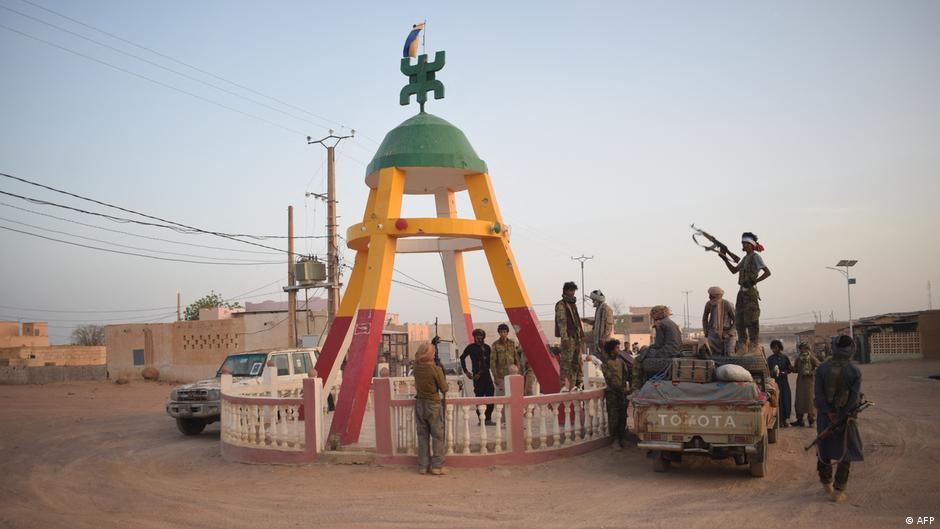
The recent coordinated offensives that struck multiple cities—Bamako, Kati, Kidal, Gao, Sévaré, and Mopti—have left observers questioning the trajectory of the ongoing crisis. These simultaneous attacks were claimed by both the Front de Libération de l’Azawad (FLA) and the Group for the Support of Islam and Muslims (JNIM), signaling a heightened threat level across the nation. The timing and scale of these operations underscore the intensifying challenges faced by Mali’s transitional authorities.
Military leadership reacts amid shifting alliances
General Assimi Goïta, leader of Mali’s ruling junta, resurfaced publicly three days after the attacks, reinforcing his presence at a critical juncture. His appearance alongside the Russian ambassador in Mali highlighted the evolving geopolitical dynamics, as he commended the “strength of cooperation with the Russian Federation.” However, behind the diplomatic rhetoric, tensions remain palpable. Reports indicate that mercenaries from Africa Corps have initiated negotiations to withdraw from Kidal, a key city now under FLA control. The rebels have made their stance clear: they demand the complete departure of all foreign armed groups from Malian territory.
This demand comes at a time when the nation is mourning the loss of General Sadio Camara, Mali’s Defense Minister, who was killed in a brazen jihadist attack on his residence just days prior. The Thursday national tribute served as a somber reminder of the deep insecurity gripping the country.
Voices shaping the discourse on Mali’s future
As the crisis deepens, the debate over possible resolutions has intensified. During a recent panel discussion moderated by journalist Éric Topona, experts weighed in on the prospects for political stability:
- Étienne Fakaba Sissoko, economist and spokesperson for the Coalition of Forces for the Republic (CFR), shared insights from his research on governance in post-coup regimes, including his book L’État et le mensonge au Sahel.
- Tiambel Guimayara, editor-in-chief of LaVoix du Mali, brought firsthand journalistic perspectives on the ground realities.
- Frederic Samy Passalet, essayist and conflict prevention specialist, discussed his work on external influences in African conflicts, notably in Les marionnettes de Poutine en Afrique.
- Teehl Loé Konaté, panafricanist analyst and secretary-general of Deux heures pour Kamita, examined regional dynamics and their implications for Mali’s sovereignty.
The conversation explored whether a political solution could emerge from the current turmoil, with panelists dissecting historical patterns, regional alliances, and the role of external actors in shaping Mali’s trajectory.
As Mali grapples with escalating violence and shifting power dynamics, the question remains: Is a negotiated path forward within reach, or will the crisis continue to deepen?