Mali’s junta has taken a bold step in its territorial reconquest strategy. A ministerial decree published on Friday, June 5, 2026, designates roughly 40 forests across the country as military interest zones. These areas are now exclusively reserved for operations by the Malian Armed Forces (FAMa) and strictly off-limits to civilians. The move explicitly targets alleged sanctuaries of jihadist groups affiliated with the Islamic State in the Sahel and Jama’at Nusrat al-Islam wal-Muslimin (JNIM).
Security mapping reshapes land use
The decree lists specific forested areas spanning several regions. Woodlands in central and southern Mali, long used as fallback bases by armed fighters, feature prominently. By locking civilian access, the junta aims to sever supply lines for katibas and enable precision airstrikes without endangering local populations.
The choice to regulate forests is no coincidence. For over a decade, these woodlands have served as gray zones where subsistence economies, smuggling, and insurgent activity intertwine. Villagers collect firewood, medicinal plants, and game, while herders use them for transhumance. The new legal regime upends this balance by placing these resources under de facto military control.
Concretely, any civilian incursion becomes punishable, and sweep operations can proceed without prior notice. The measure aligns with the hardline doctrine of the colonels who have held power since the double coup in 2020 and 2021, which ended French military presence and shifted security architecture toward Russian partners.
A military gamble with heavy humanitarian costs
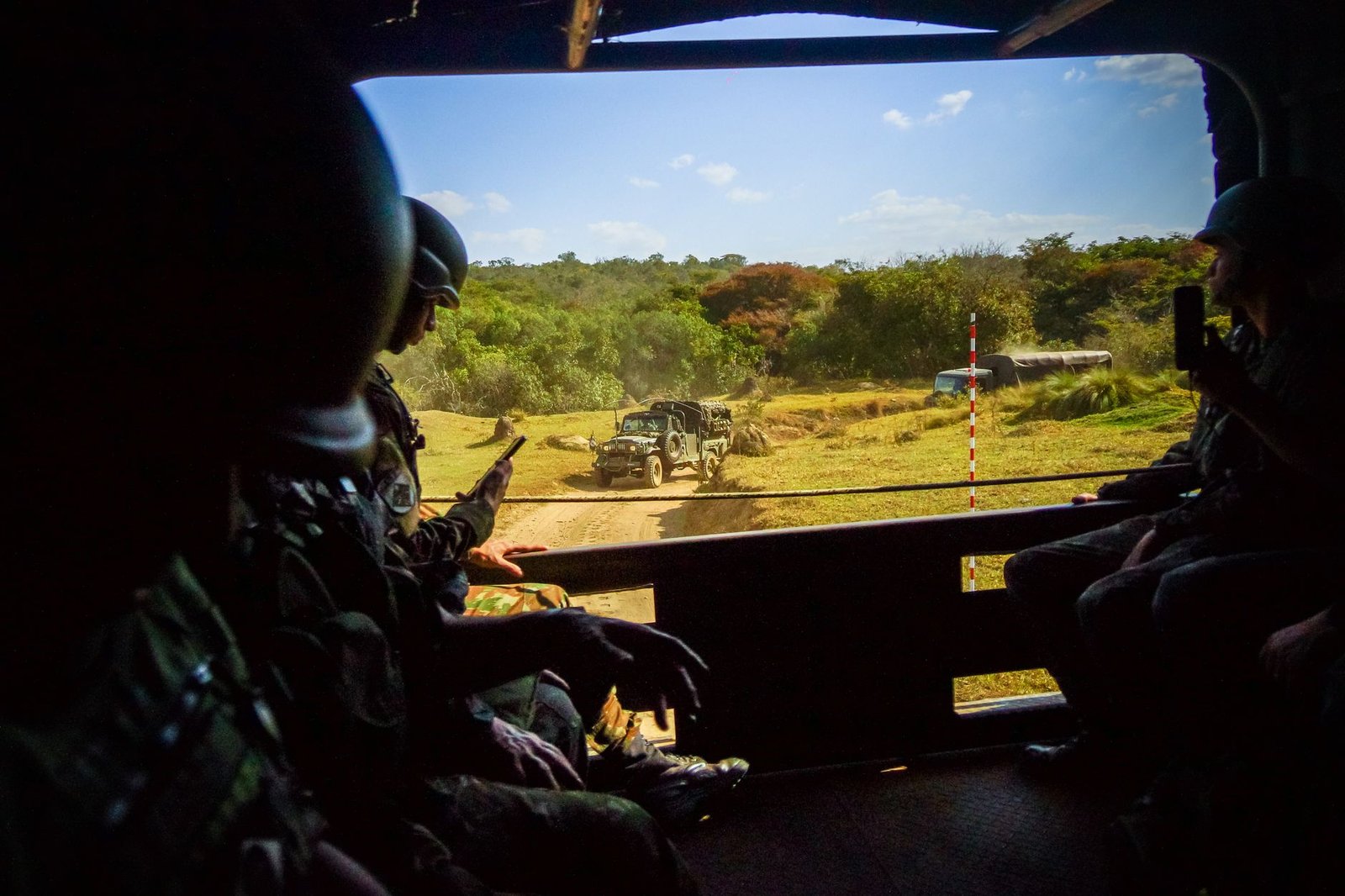
The tactical effectiveness of this decree depends on the FAMa and their auxiliaries’ ability to hold forest territory long-term. Heliborne operations and targeted strikes, central since the departure of the UN’s MINUSMA mission in 2023, now have a broader legal framework within these exclusion zones. For Bamako, this is also a signal to public opinion that it is taking the initiative against spreading insecurity, which has reached the outskirts of Bamako and Kayes.
Yet the social consequences could be severe. Tens of thousands of people live near the targeted forests, deriving substantial income from forest resources. The ban risks destabilizing rural communities already strained by drought, food inflation, and closed cross-border markets. The precedent in Burkina Faso, which established similar military zones in 2023, shows a correlation between expanded militarized perimeters and large-scale internal displacement.
Regional convergence: militarisation of spaces across the Sahel
Mali’s move fits a broader regional pattern. Burkina Faso and Niger, partners within the Alliance of Sahel States (AES), have multiplied exceptional territorial measures since 2024 to regain control from armed groups. This doctrinal convergence reflects a shared vision of security sovereignty based on physical control of peripheral areas and temporary suspension of certain customary rights.
International partners view this shift with caution. Human rights organizations have repeatedly documented abuses in areas under enhanced military regimes. The junta’s ability to balance operational effectiveness with respect for civilians will be closely scrutinized, especially by West African neighbors and remaining donors.
Economically, these zones may also affect artisanal mining permits and some gold operations on forest edges. The government has not yet clarified compensation or resettlement modalities for affected populations. The ministerial decree, issued on June 5, 2026, covers nearly 40 forested areas nationwide.