empowering senegalese women through sustainable farming
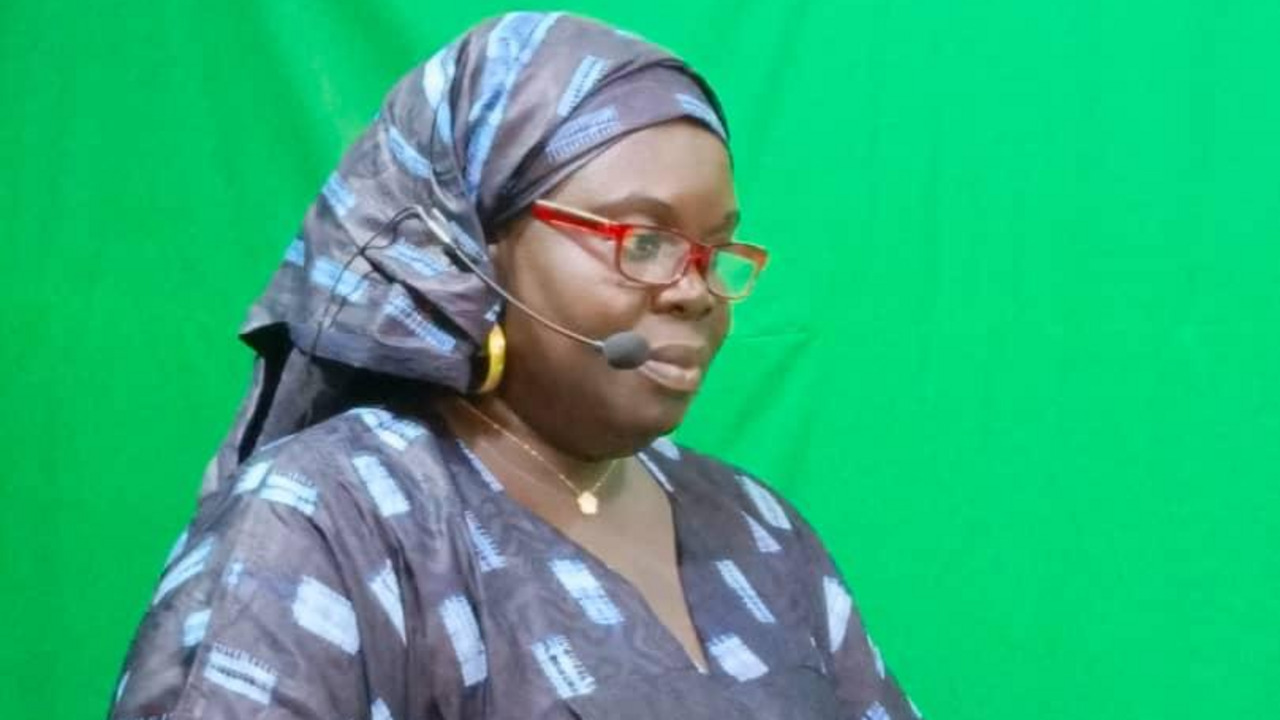
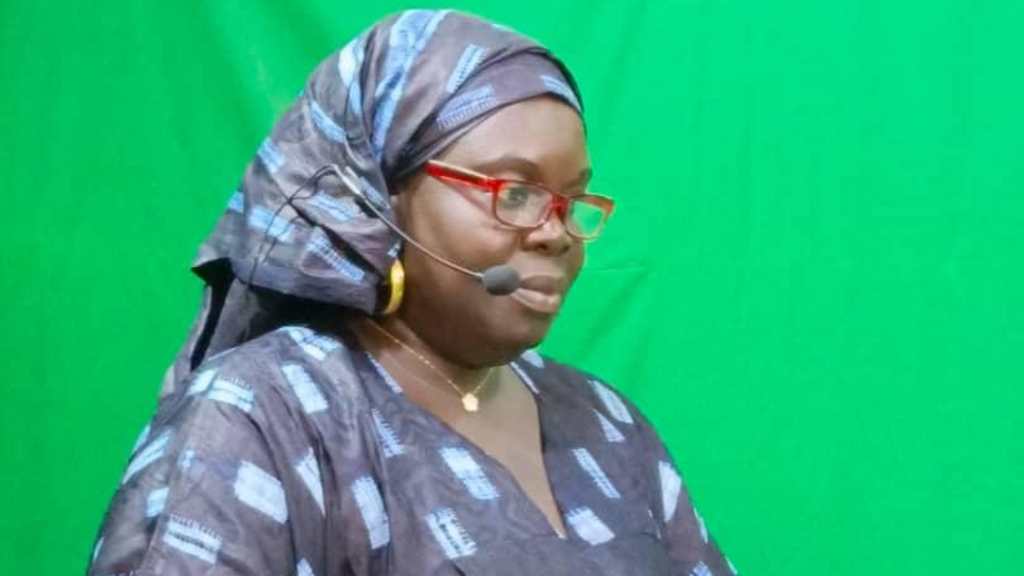
In the heart of Casamance, a region known for its lush landscapes in southern Sénégal, a quiet revolution is unfolding. For over three decades, Mariama Sonko has been at the forefront of this transformation, championing the financial independence of rural women through sustainable agriculture and agroecology. As the daughter of a peasant farmer, she carries forward a legacy of resilience, now leading a pan-African movement that unites more than 800 associations across eight West African nations.
a lifelong fight for autonomy and dignity
Mariama Sonko’s journey began in Niaguis, a small village in Casamance, where she witnessed firsthand the struggles of women in rural communities. “Growing up, I saw the immense pressure on women, and it ignited a fire in me,” she reflects. The legal right to land ownership often meant little in practice, as cultural norms restricted women’s access to agricultural resources.
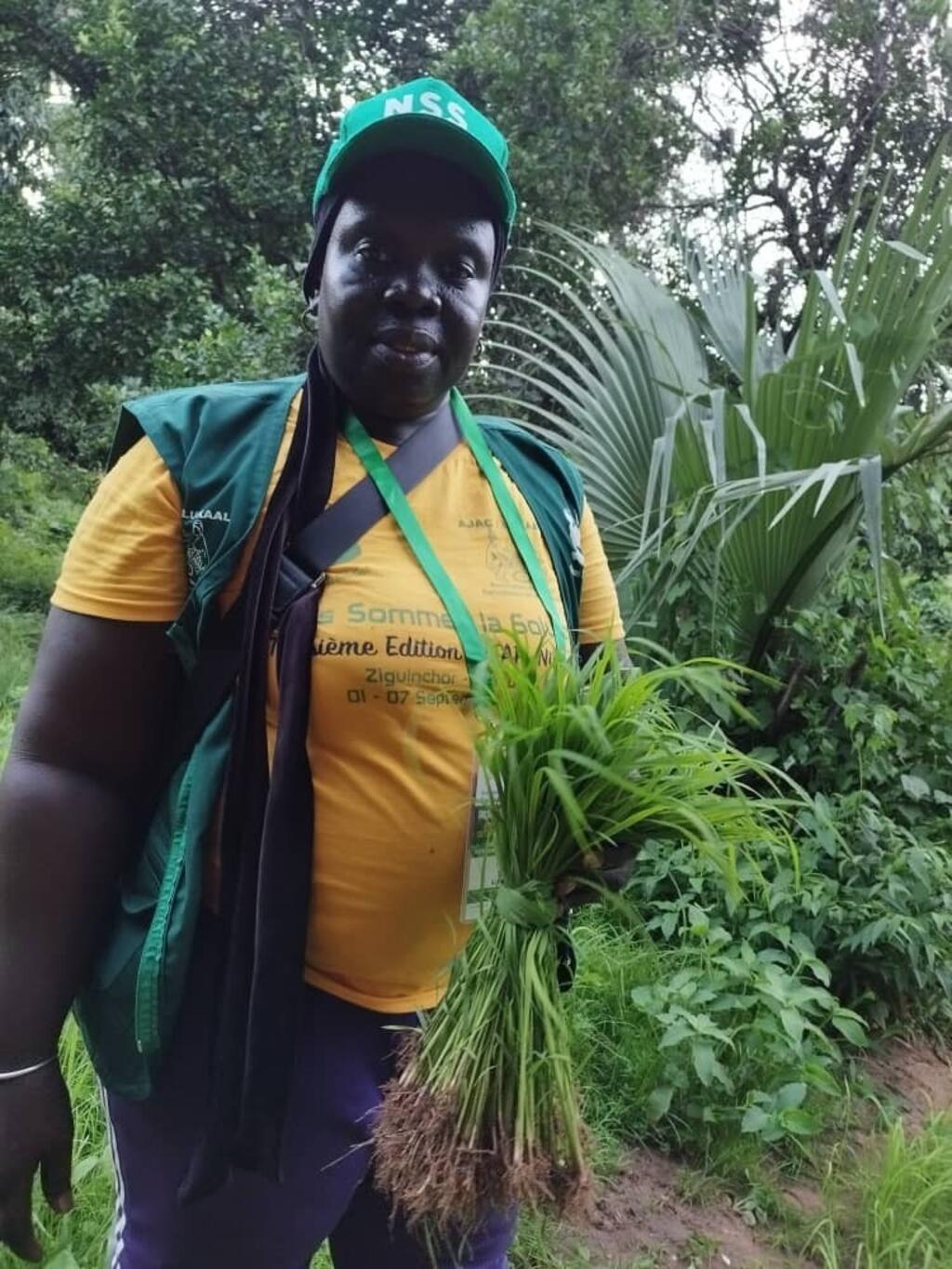
Her determination was further tested when her father’s passing left her mother to care for ten children alone. “That moment defined my path,” Mariama recounts. At just 19, she defied expectations by choosing to cultivate a plot of land with other women—only to face expulsion three years later. Undeterred, she pursued her dream of land ownership, and a decade ago, she achieved it: a 3-hectare experimental farm near Ziguinchor, cultivated entirely without pesticides and using only local seeds. Today, 30 women work on the farm, and their collective success has enabled more than 100 women to open personal bank accounts and save money.
a pan-african movement for food sovereignty
Mariama’s vision extends far beyond the boundaries of Casamance. As president of the pan-African movement Nous sommes la solution (We are the solution), she has mobilized over 800 associations across ten West African countries, empowering 200,000 predominantly illiterate women. Their shared mission? To restore local seed capital, reduce reliance on multinational corporations, and foster food sovereignty across the continent.
“If we do not organize ourselves, we risk losing our identity—even in our own land,” she asserts passionately. “Our work is about rebuilding this seed capital that is vital for African life and sovereignty.” Through agroecology, these women are not only securing their livelihoods but also preserving biodiversity and indigenous agricultural knowledge.
Mariama’s efforts have borne fruit in tangible ways. Women in her network have gained financial independence, diversified their income through secondary activities, and reinvested in their communities. For her, this progress is a source of immense pride. “When I see these women thrive, I know our movement is making a difference,” she shares with a smile.
the path forward: unity and persistence
At 59, Mariama continues to travel across West Africa, spreading her message of empowerment and resilience. Her story is a testament to the power of grassroots movements and the critical role women play in sustainable development. In a region where gender inequality persists, her work offers a path forward—one rooted in dignity, self-reliance, and collective action.
For Mariama Sonko, the fight for women’s autonomy is far from over. But with every seed planted and every woman empowered, she brings the continent one step closer to true food sovereignty.