Mali’s independence day stirs mixed reactions as opposition voices dissent
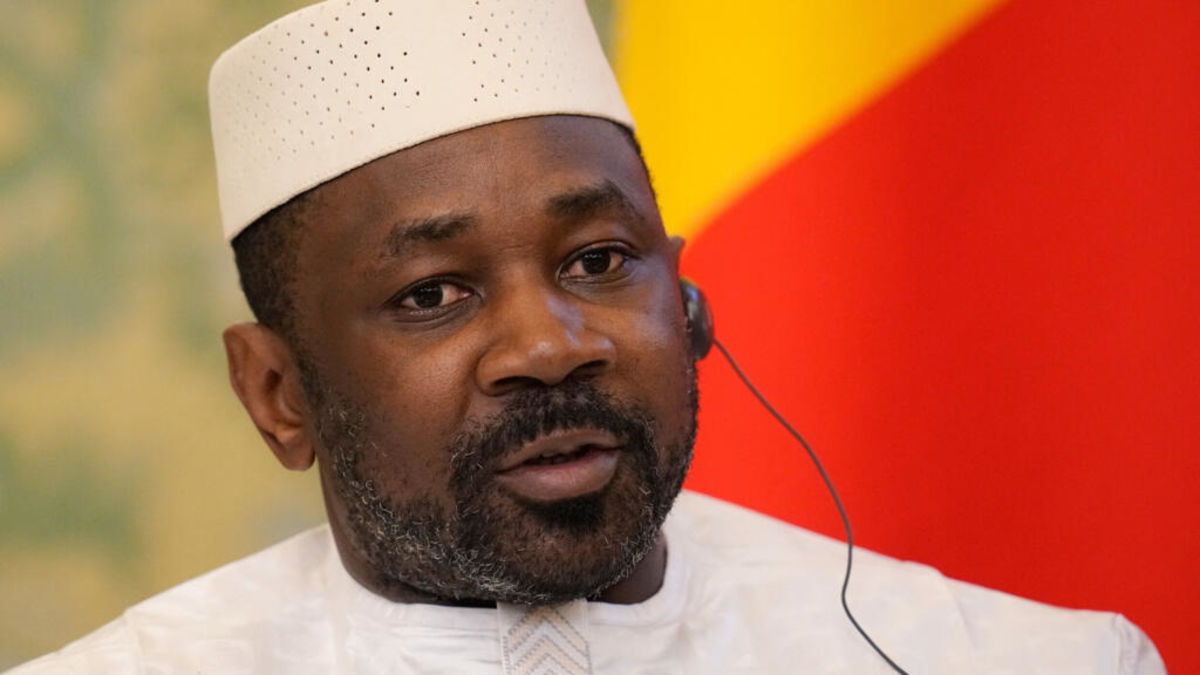
On September 22, Mali commemorated its independence, a day marked by national pride and reflection. General Assimi Goïta, leader of the transitional government, addressed the nation on September 21, highlighting economic progress, reaffirming the fight against armed terrorist groups, and emphasizing reconciliation among Malians. Goïta, who seized power in 2020 and has maintained control for over six years without elections—with support from Russia’s Africa Corps—also underscored Mali’s pursuit of sovereignty through the Alliance of Sahel States (AES).
Opposition’s sharp critique of transitional leadership
While the government celebrates its achievements, opposition figures remain vocal. Etienne Fakaba Sissoko, a prominent opposition leader and spokesperson for the Coalition of Republican Forces (CFR), led by Imam Dicko, criticized the address from exile. The CFR unites Malian politicians and civil society members living abroad.
Sissoko expressed disappointment in Goïta’s speech, stating, “It’s possible to love Mali deeply, support our soldiers, and defend our sovereignty while still demanding accountability from those who have hijacked power.” He emphasized the urgent needs of Malians: “Security to move freely, stable jobs, reliable electricity, freedom, and a credible political future.”
He further condemned the omission of Russia’s involvement in the speech, calling it “an admission of failure.” Sissoko highlighted recent setbacks, such as the attack on the Dioura military camp by the Group for the Support of Islam and Muslims (JNIM, linked to al-Qaeda), which resulted in over 100 Malian soldiers killed and dozens captured.
Mali’s decline under current leadership, opposition claims
Sissoko painted a grim picture of Mali’s current state, declaring, “Today, Mali is in mourning. The country’s decline has reached unprecedented levels under this regime.” He refused to celebrate independence day, stating, “The situation does not honor those in power.”
His remarks reflect growing frustration among Malians over the transitional government’s prolonged rule, economic instability, and security challenges despite external alliances and pledges of progress.