Mali’s government targets key figures in escalating conflict
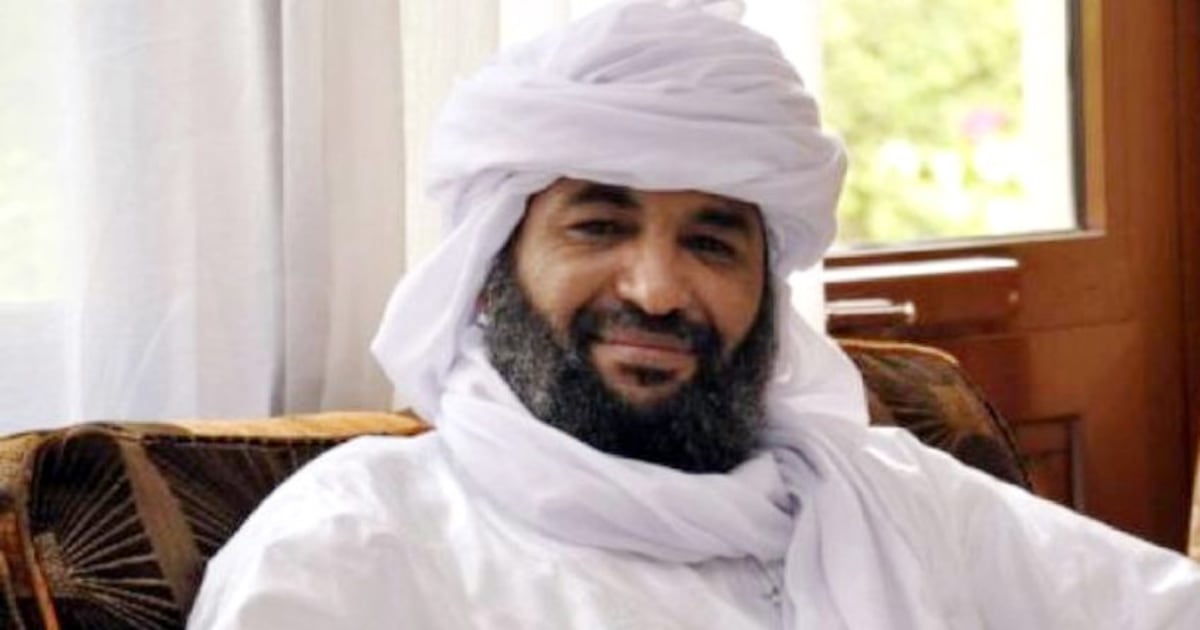
Iyad Ag Ghaly, a former Tuareg rebel and diplomat, leads the JNIM (Jama’at Nusrat al-Islam wal Muslimin), a coalition formed in 2017. His name has become synonymous with insecurity in the Sahel, as he remains the most-wanted figure in the region.
Under multiple international sanctions, including a United Nations listing, Ag Ghaly is also designated as a terrorist by the United States. The International Criminal Court (ICC) has issued an arrest warrant for him, accusing him of war crimes and crimes against humanity.
Deadly attacks shake Mali’s security landscape
Recent coordinated assaults on April 25 and 26 by JNIM fighters, alongside the predominantly Tuareg Front de Libération de l’Azawad (FLA), have plunged Mali into deeper turmoil. These large-scale offensives targeted key government positions across several regions, including Bamako.
Among the casualties was Mali’s Defense Minister, Sadio Camara, aged 47, a central figure in the ruling junta. He was killed in a suicide bombing during the attacks, marking a significant blow to the military leadership.
Bounties announced for jihadist and rebel commanders
In response, the government unveiled a bounty program for six high-profile individuals linked to the violence. The rewards range from financial incentives to aid in their capture or elimination. Among those targeted are:
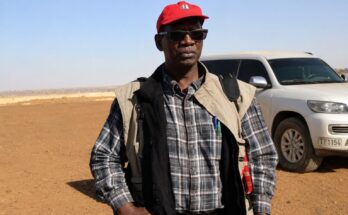
- Amadou Kouffa, a senior JNIM leader, with a bounty of €2.2 million
- Alghabass Ag Intalla, a FLA commander
- Bilal Ag Cherif, another FLA figure
The announcement emphasized the government’s commitment to combating terrorism and safeguarding national security. A statement read on national television declared: «The Ministry of Security and Civil Protection is offering financial rewards to anyone providing reliable, actionable intelligence leading to the arrest or neutralization of these individuals.»
The statement further noted that these suspects are sought for their alleged roles in organizing and executing attacks that have endangered civilians and property nationwide.
A decade of instability fuels the crisis
Since 2012, Mali has grappled with a persistent security crisis, exacerbated by the actions of groups like JNIM, the Islamic State, and local criminal factions. The recent escalation underscores the urgent need for effective counterterrorism measures to restore stability.