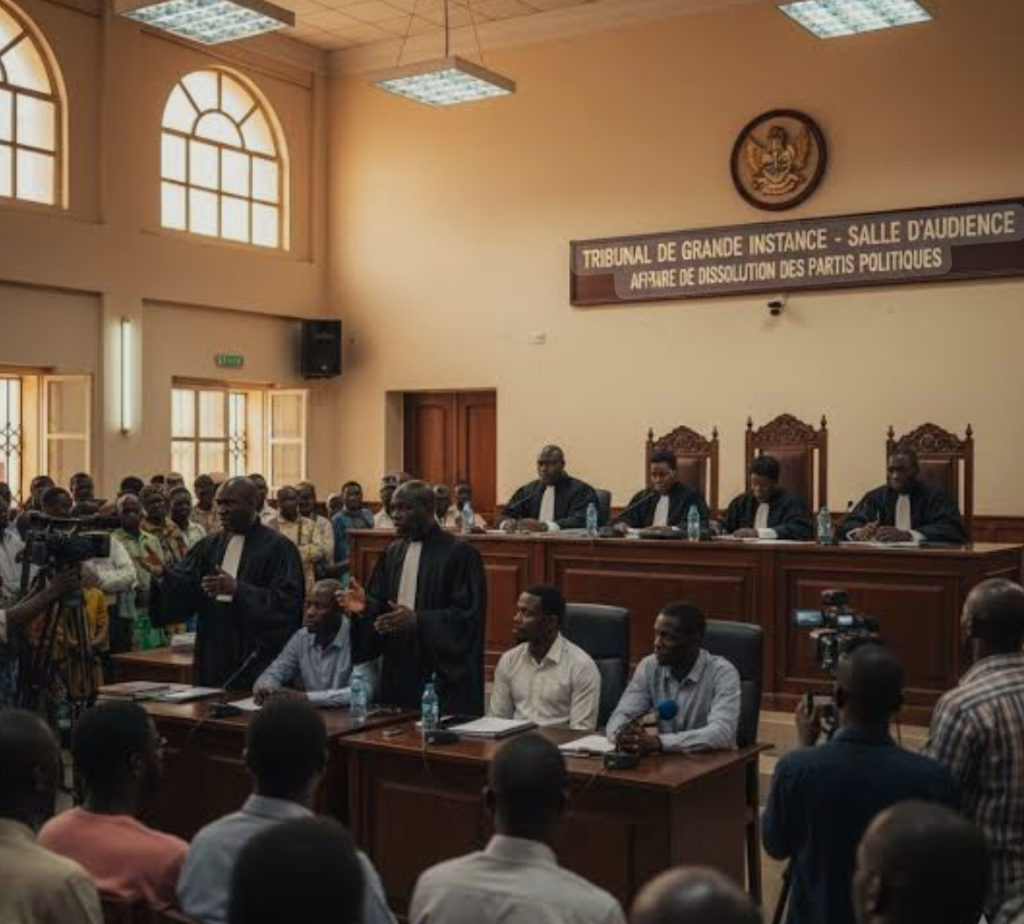
The courtroom in Bamako fell into an eerie silence on Monday, July 20, as a high-stakes trial against military and civilian figures accused of plotting to overthrow the ruling junta took an unsettling turn. The proceedings had barely begun when a féticheur—an accused spiritual practitioner—was called to testify, injecting an element of mysticism into an already tense judicial process.
Political gravity meets supernatural intrigue
The trial, already under intense scrutiny for its implications on national security and democratic transition, took an unexpected detour when the féticheur’s presence became the focal point. While the legal ramifications of the alleged coup plot dominated discussions, the involvement of supernatural forces introduced a layer of intrigue rarely seen in Malian courtrooms. Historically, occult practices have played a role in political maneuvering across West Africa, but their direct intersection with judicial proceedings remains both rare and disconcerting.
A sudden collapse and unexplained panic
The dramatic shift came when the State Counsel, tasked with presenting evidence against the féticheur, took the stand. As he began to articulate the charges, the atmosphere grew heavier. Without warning, the official clutched his chest, gasping for air before collapsing onto the floor in a faint that left onlookers stunned. The suddenness of the collapse sent the prosecution team into disarray, with the prosecutor and clerk hastily retreating from the bench in a flurry of confusion. Faced with the impossibility of continuing under such circumstances, the presiding judge had no choice but to adjourn the session until the following day, July 21.
Signs of the supernatural in custody transfer
The unsettling sequence of events did not end with the courtroom collapse. During the féticheur’s transfer to a high-security detention facility, the escort vehicle carrying the accused began swerving erratically. The driver, an adjutant-chef, suddenly experienced dizziness, struggling to maintain control of the vehicle. Though the prisoner remained unharmed, the incident left the escort team shaken, fueling speculation among prison officials about the féticheur’s alleged spiritual influence.
One prison administrator, speaking off the record, hinted at the possibility that the féticheur may have undergone initiation rites in Benin, a country renowned for its powerful traditional charms and spiritual practices. The remark, though cryptic, underscored the growing unease surrounding the case.
When tradition clashes with judicial authority
The episode highlights a deeper psychosocial tension—one where the weight of cultural beliefs intersects with the impartiality of the justice system. In many communities across Mali, féticheurs command a mix of reverence and fear. When a sudden medical episode, such as a vasovagal syncope or drop in blood pressure, occurs in the presence of an accused believed to wield spiritual power, the line between coincidence and supernatural intervention blurs. This phenomenon is not merely psychological; it creates a ripple effect, where the distress of one key figure—a prosecutor, judge, or law enforcement officer—can trigger widespread unease, casting doubt on the entire judicial process.
For magistrates bound by the law to deliver verdicts based on tangible evidence, the presence of such beliefs in the courtroom poses a unique challenge. The pressure to remain rational in an environment steeped in irrationality can be immense, raising questions about the ability of institutions to uphold justice when faced with forces beyond the tangible.
What lies ahead for the trial?
As the trial resumes on Tuesday, July 21, authorities are bracing for further disruptions. Enhanced security measures are expected, not only to protect the accused but also to safeguard the integrity of the proceedings. The health of the State Counsel will be closely monitored, while additional precautions may be implemented to prevent any recurrence of the unsettling events that marred Monday’s session.
The question remains: Will the courtroom ever return to normalcy, or will this trial continue to be a battleground where politics, law, and tradition collide? One thing is certain—the eyes of the nation are on Bamako, and the world is watching to see how justice will navigate this uncharted terrain.