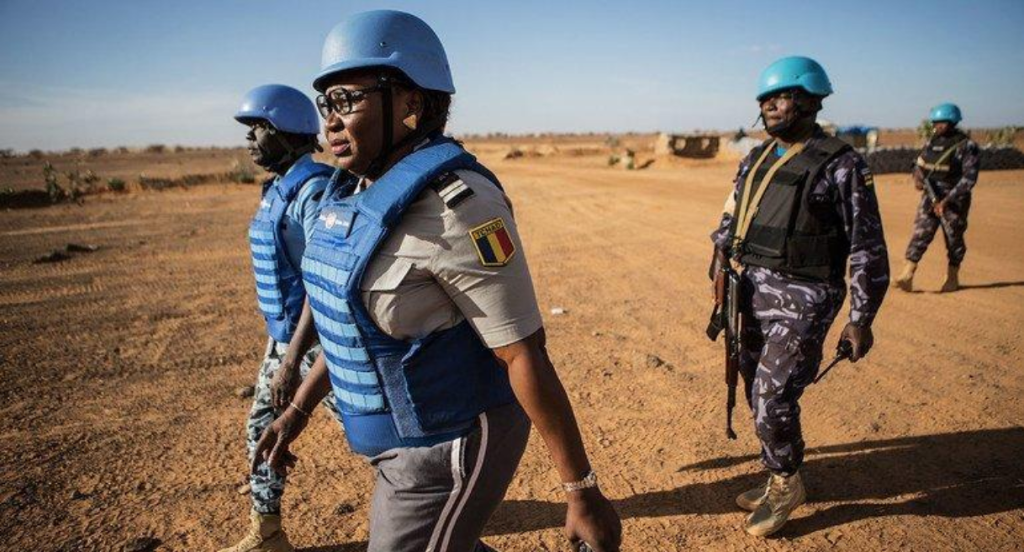
The discovery of 54 bodies in the village of Tagadayat, just 35 kilometers southeast of Ménaka, has exposed the stark vulnerability of civilians in northern Mali. Following a series of attacks attributed to jihadist fighters, this horrific incident raises urgent questions about the state’s capacity to safeguard local populations and sustainably regain control over conflict-affected territories.
Tagadayat tragedy underscores systemic security failures
Northern Mali has once again been scarred by violence, with the Tagadayat massacre serving as a grim reminder of the region’s deepening crisis. The recovery of 54 civilian bodies after coordinated armed assaults has thrust the state’s security apparatus into the spotlight, demanding answers about its effectiveness in preventing such atrocities. The tragedy highlights not just the human toll but also the systemic gaps in crisis management and civilian protection mechanisms.
This incident is not isolated. In Ménaka and surrounding areas, civilians live under the constant threat of armed groups whose operations disrupt daily life, destabilize livelihoods, and force mass displacements. The remoteness of villages like Tagadayat exacerbates vulnerabilities, as limited access to public services and security reinforcements leaves communities exposed to sudden violence with little time to react.
Can Bamako’s security strategy withstand the test?
The Tagadayat massacre forces a critical evaluation of Mali’s security strategy, particularly its ability to implement durable protection measures in high-risk zones. Military operations have been deployed, but their effectiveness remains inconsistent. For civilians, security isn’t just about responding to attacks—it’s about the assurance of safe movement, access to markets, and protection of homes without fear of sudden violence.
The massacre raises pressing questions about prevention: Were there signs of impending attacks? Did authorities act on available intelligence? What safeguards were in place to prevent civilian casualties? While definitive answers are still emerging, the incident underscores the urgent need for accountability and strategic improvements in crisis prevention.
The human cost of unanswered violence
The loss of 54 lives at Tagadayat is more than a statistic—it represents shattered families, displaced communities, and a region teetering on the edge of despair. Each attack erodes public trust in state institutions, undermining faith in the ability of authorities to ensure safety. The consequences extend beyond immediate trauma: disrupted trade, weakened social cohesion, and stalled recovery efforts in already fragile regions.
Restoring confidence requires more than military presence. It demands a holistic approach—enhanced early warning systems, strengthened protection for isolated communities, and transparent investigations into civilian casualties. Without these measures, the cycle of violence and impunity will continue.
Is northern Mali at a security tipping point?
The Tagadayat tragedy is a pivotal moment for Mali’s leadership. While the state may not have lost total control over its territory, the massacre reveals a dangerous void in civilian protection in certain regions. The international community and domestic policymakers must now focus on sustainable solutions that go beyond reactive measures.
Ultimately, the measure of the state’s authority lies not in the announcement of operations, but in its ability to deliver tangible safety for its citizens. Until civilians can live without constant fear of violence, the question of state control over northern Mali will remain an open wound on the nation’s conscience.