The West African Economic and Monetary Union (UEMOA) has earmarked Togo as the host of a groundbreaking $2.4 billion phosphate fertilizer industrial hub, a cornerstone of its 2026-2030 regional investment strategy aimed at slashing West Africa’s reliance on imported fertilizers.
UEMOA’s phosphate project: Togo leads West Africa’s fertilizer revolution
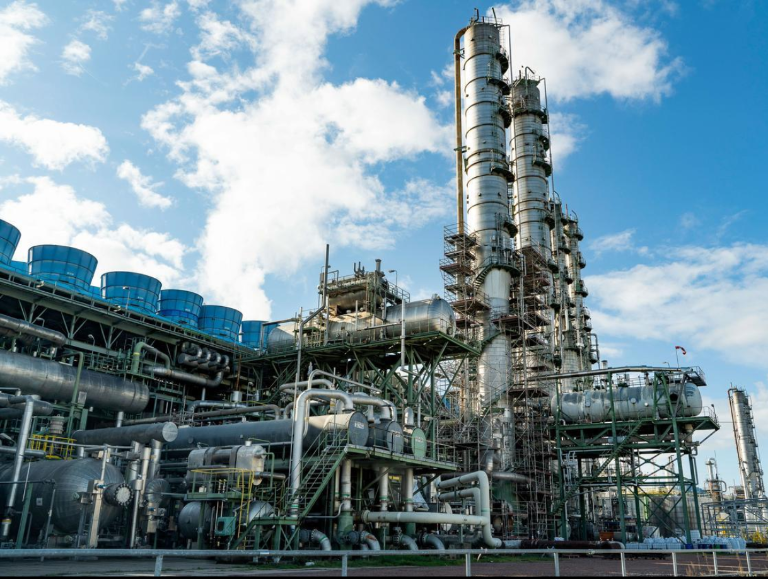
With a total investment envelope of 1.45 trillion West African CFA francs (approximately $2.4 billion), the UEMOA is spearheading a community-wide initiative to develop a phosphate-to-fertilizer value chain across the subregion. Togo’s phosphate reserves, long exported as raw ore, will now be transformed locally into high-value agricultural inputs.
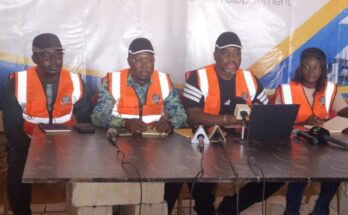
The project, unveiled during strategic sector workshops in Ouagadougou, aligns with UEMOA’s IMPACT 2030 strategic plan. While Togo will physically host the industrial cluster, the blueprint, funding mobilization, and cross-border coordination are orchestrated by the Union—and not the Togolese government alone. UEMOA is calling on member states, private operators, and financial partners to co-own and execute the strategy.
Phosphate as an industrial catalyst in Togo
Togo’s selection stems from decades of phosphate mining, with the country currently exporting most of its output as unprocessed mineral. Local refinement would pivot the economy from raw material extraction to value-added production—specifically, phosphate-based fertilizers tailored to West African soils.
This paradigm shift promises multiple dividends: job creation in processing plants, local enterprise growth, technical skill development, and resilient supply chains. For farmers, the payoff includes lower input costs, better product availability, and higher crop yields through regionally adapted formulations.
From mine to market: closing the supply chain gap
Yet phosphate alone cannot guarantee success. Industrialization demands robust infrastructure—power, logistics, and storage—as well as reliable demand and investor confidence. The biggest challenge will be securing the estimated 1.19 trillion CFA francs expected from the private sector and 239.5 billion from public coffers.
Curbing West Africa’s fertilizer dependency
Despite vast phosphate resources, UEMOA member states import nearly 60% of their fertilizers, leaving farmers exposed to global price swings and supply chain disruptions. By building regional blending plants near agricultural hubs, the project aims to shorten supply chains and produce formulations perfectly suited to local soils and staple crops.
Outcomes to watch include: reduced fertilizer costs for smallholders, stable regional supply, increased productivity, and greater economic sovereignty. Success will be measured by tonnage produced, jobs created, and the shift from mineral exports to finished fertilizer sales.
Next steps: turning blueprint into steel and soil
For Togo, the next phase involves defining precise siting criteria, investment safeguards, financing instruments, and a realistic timeline. UEMOA’s role is to orchestrate member-state commitments, align regulatory frameworks, and broker partnership agreements with global fertilizer technology providers.
The overarching test for the Union is whether it can convert regional ambition into operational factories, steady jobs, and fertilizers within reach of every West African farmer by 2030.
Regional unity or fragmentation?
The phosphate hub encapsulates a larger question: can UEMOA member states pool their natural endowments, capital, and political will to build a unified fertilizer industry? Togo’s mineral wealth is the spark—but the flame depends on collective execution, open markets, and long-term financing.