The Government of Mali faces mounting pressure from citizens who rank healthcare as the most critical issue requiring immediate action, according to findings from Afrobarometer’s latest survey. While the country has made strides in key health metrics—such as infant mortality, under-five child mortality, maternal health, and life expectancy—significant challenges persist in ensuring equitable access to quality medical services.
Mali introduced an ambitious universal health insurance plan in 2018, yet many Malians still struggle to access affordable and timely healthcare. The situation is particularly acute in rural areas, where over half of the nation’s physicians are concentrated in the capital, Bamako, leaving vast regions underserved. Chronic shortages of qualified healthcare workers, inadequate funding, and persistent political instability further compound these challenges, as highlighted by reports from the World Bank, UNICEF, and UNDP.
The country’s performance on the WHO Universal Health Coverage Service Coverage Index reflects these disparities. Mali scored just 41 out of 100, trailing both the African average (44) and the global benchmark (68). This score underscores the urgent need for systemic improvements in healthcare delivery.
public demand for universal healthcare grows
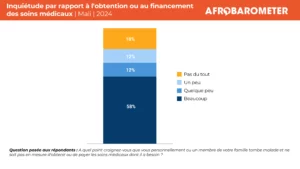
Survey results reveal that healthcare is the top concern for Malians, with only about one in seven adults currently covered by health insurance. Many citizens report fears of being unable to afford or access necessary medical treatment. An overwhelming majority believe the government must prioritize universal healthcare access, even if it means raising taxes to fund these efforts.
Among those who visited public clinics or hospitals in the year preceding the survey, experiences were mixed. While most reported receiving the required care, many cited high costs, long wait times, and frequent shortages of essential medicines and equipment. Nearly half of Malians reported that a family member was unable to obtain necessary medical care in the past year.
public perception of government health efforts
Despite these challenges, public confidence in the government’s healthcare initiatives remains relatively high. Two-thirds of Malians approve of the progress made in improving primary healthcare services, and trust in the Ministry of Health remains strong. However, the survey signals a clear call for accelerated reforms to bridge gaps in coverage and service quality across the country.