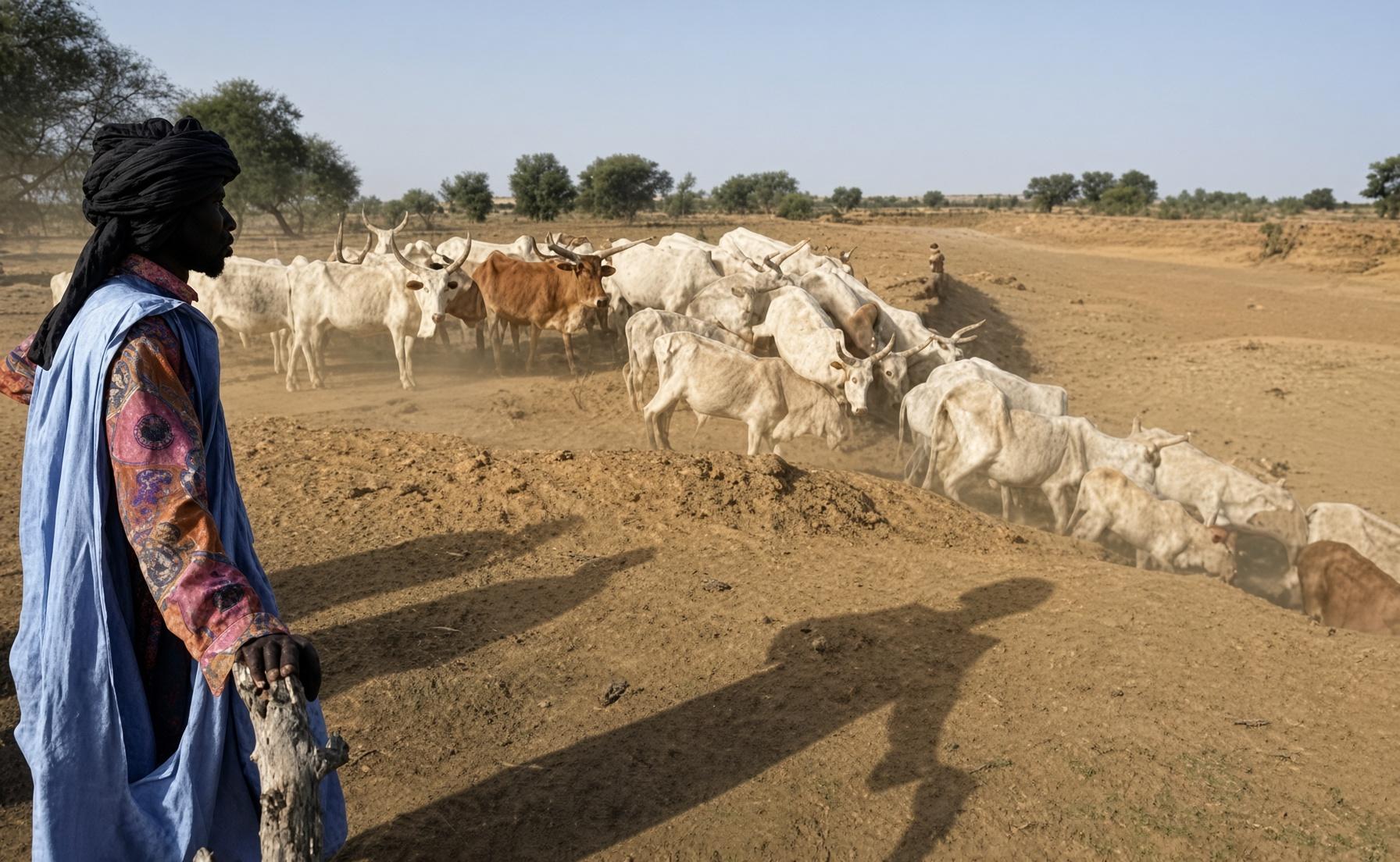
Faced with rising meat prices and public pressure, Mali’s government has decided to block livestock exports for six months—a move that could backfire spectacularly. Under the guise of protecting household budgets, officials are imposing a blanket ban that tramples on private enterprise and regional trade. But will this authoritarian approach ease consumer costs or deepen the crisis?
A blunt instrument that hurts the very people it claims to protect
With over 15% of Mali’s GDP tied to livestock and annual export earnings exceeding $150 million, the sector is a cornerstone of the national economy. Yet instead of addressing structural supply and cost issues, Bamako has chosen a short-term fix: shutting down exports entirely. The ban affects trade routes to Senegal, Côte d’Ivoire, and Guinea—key markets that collectively absorb 99% of Mali’s cattle exports. For local traders, transporters, and ranchers, this isn’t regulation—it’s confiscation of their core economic right: the freedom to compete and profit.
Under this policy, private operators face a triple threat. First, forced stockpiling risks overwhelming local markets with unsold livestock. Second, shrinking export demand crushes profit margins already squeezed by rising feed costs and logistical extortion on highways. Third, the ban undercuts long-term investment, leaving producers with no confidence that today’s restrictions won’t become tomorrow’s permanent policy.
Why price controls and trade bans have never worked
The real drivers of high meat prices are structural, not market-driven: chaotic relocations of livestock markets by authorities, soaring animal feed prices, relentless roadside racketeering, and persistent insecurity along trade corridors. The government’s response? Ignore the causes, impose the stick. But history shows coercive measures like export bans only fuel shortages and stifle innovation. Why would a rancher invest in modernizing a herd if tomorrow’s decree could wipe out access to more lucrative regional buyers?
Past experiments with price controls confirm the pattern: immediate shortages, black markets, and a slow crawl toward collapse. By choosing repression over reform, the Malian state is not solving a crisis—it’s manufacturing one.
When short-term panic erodes long-term trust
Investors and regional partners are watching closely. A sudden, unplanned ban on exports sends a chilling signal about Mali’s respect for contracts, property rights, and trade predictability. In a subregion where trust is already fragile due to coups and political instability, this decision risks scaring off foreign direct investment and isolating Malian exporters from future deals.
The government’s move isn’t just about meat prices—it’s about credibility. By sidelining private actors and centralizing control, Bamako may temporarily calm public anger, but at the cost of deeper, lasting economic damage. Sustainable solutions don’t come through edicts—they come through enabling competition, securing transport routes, and cutting bureaucratic red tape.
What real reform would look like
- Deregulate market access: Stop relocating livestock markets arbitrarily and allow traders to operate where demand is highest.
- Secure trade corridors: Deploy joint military-civilian patrols to end roadside extortion that inflates costs.
- Reduce administrative fees: Cut unofficial taxes and cumbersome permits that push up the price of feed and transport.
- Invest in infrastructure: Upgrade abattoirs, cold chains, and veterinary services to improve animal health and reduce waste.
The bottom line: Protectionism punishes those it claims to help
Mali’s beef export ban is not a solution—it’s a confession of failure. By shifting blame to private entrepreneurs instead of fixing its own governance failures, the state risks pushing the sector from crisis into collapse. The only way out is forward: through deregulation, security, and support—not through decrees that strangle the economy it claims to save.
