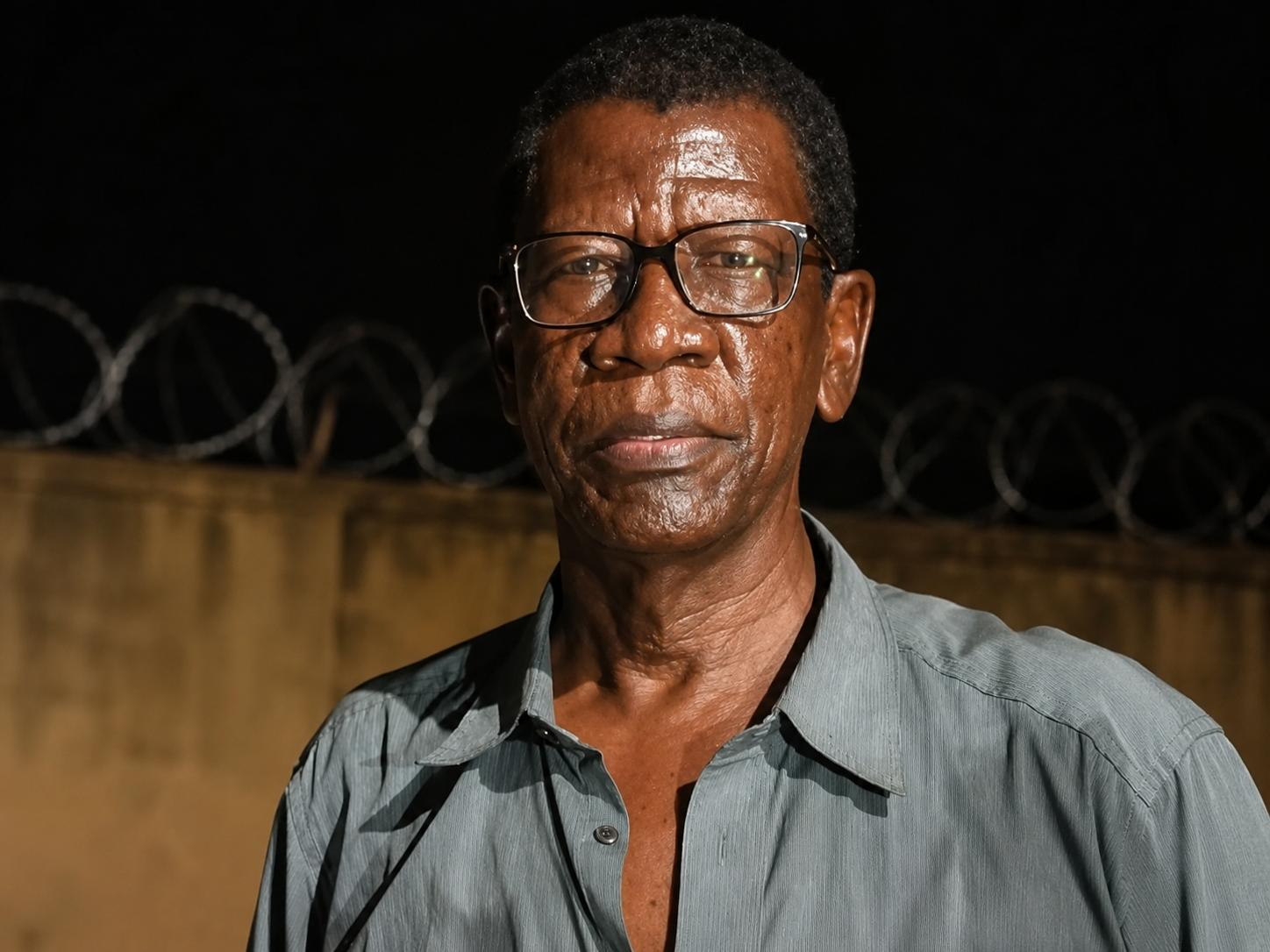
In Niger, the fate of investigative journalist Moussa Kaka has become a flashpoint for media freedom and judicial integrity. More than two months after his abrupt disappearance, the government has confirmed his detention—but refuses to disclose the charges against him.
From disappearance to state detention: the unfolding timeline
On August 31, 2026, Moussa Kaka vanished shortly after leaving his office in Niamey. For weeks, authorities remained silent, fueling speculation about abduction or enforced disappearance. Only after mounting pressure from press freedom groups did the Ministry of Justice acknowledge that Kaka was being held by state security forces.
While this confirmation offered some relief, it did little to address the core violations of his constitutional rights. The lack of transparency around his case has intensified concerns about due process and arbitrary detention.
Demanding accountability: what authorities must disclose
The Nigerien Press Freedom Coalition (NPFC) has escalated calls for immediate government action, framing the case as a litmus test for justice reform. Their demands center on three critical points:
- Public disclosure of charges: The coalition insists on transparent notification of the allegations against Kaka, arguing that secrecy cannot justify indefinite detention.
- Verifiable detention location: Independent monitors must be granted access to his holding facility to assess conditions and verify his well-being.
- Legal counsel and family visits: Authorities are being urged to restore Kaka’s right to consult legal counsel and receive visits from family members without delay.
Press freedom under siege during Niger’s transition
The Kaka case is not isolated—it reflects a broader pattern of restrictions on independent journalism since the transition began. Investigative reporting deemed critical of state policies now faces heightened surveillance under national security pretexts. Legal experts warn that such measures risk normalizing censorship under the guise of stability.
For the NPFC and allied civil society groups, the detention of Moussa Kaka symbolizes a pivotal moment for Niger’s democratic institutions. Will the justice system uphold due process, or will security imperatives continue to erode fundamental freedoms?
What’s next for Niger’s detained journalist?
The coming weeks will reveal whether Niger’s transitional authorities prioritize legal accountability over expediency. Without immediate action on the coalition’s demands, the case risks cementing a dangerous precedent: that security can indefinitely override the rule of law.
