National crackdown nets staggering haul of illicit goods
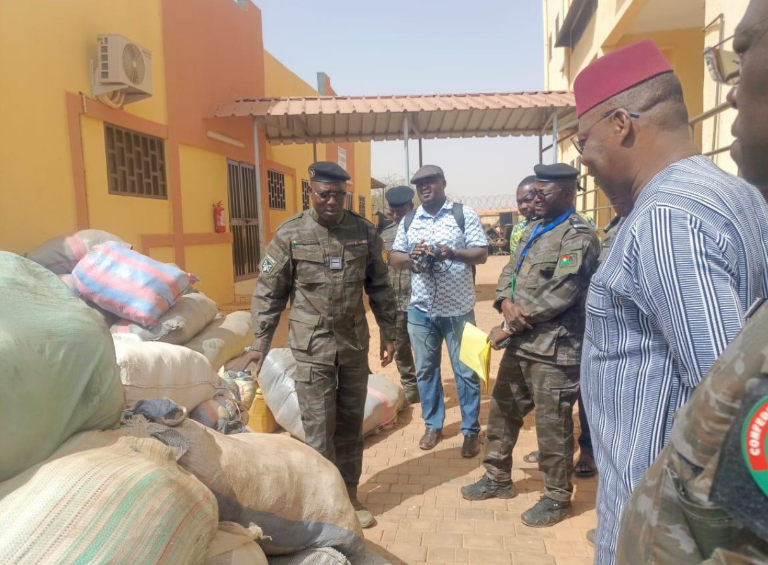
Burkina Faso’s customs authorities have delivered a major blow to illicit trade networks by seizing contraband goods valued at over 10.8 billion West African CFA francs ($18.7 million) in just three months. The record operation, dubbed Operation Magnan, ran from July 10 to October 15, 2026, and highlights the extensive reach of smuggling rings operating across the region.
Dangerous substances dominate seized contraband
The operation uncovered a disturbingly diverse range of prohibited items, from counterfeit pharmaceuticals to hazardous chemicals and agricultural inputs. The most significant seizure involved Tapentadol, a prescription painkiller, with authorities confiscating 4.2 million tablets worth approximately 8 billion FCFA ($13.8 million).
Another major finding was over 11 tons of counterfeit medications, valued at 1.1 billion FCFA ($1.9 million). The circulation of these unregulated drugs poses severe risks to public health, as they may contain incorrect dosages, harmful substances, or be stored under unsafe conditions.
Beyond pharmaceuticals: a wide spectrum of illegal trade
The crackdown extended far beyond the medical sector. Customs officials also intercepted:
- 1.1 tons of cocaine and cannabis products
- Industrial chemicals including cyanide and mercury
- Explosives and related components
- Over 500 tons of unregulated fertilizers
- 490 tons of illegally imported rice
- Thousands of liters of adulterated cooking oil
- Unapproved pesticides and counterfeit school materials
Economic fallout and public health risks
The scale of these seizures exposes the far-reaching consequences of illegal trade, which undermines legitimate businesses, drains public revenue, and endangers consumer safety. Fraudulent imports create an uneven playing field for compliant companies while evading critical taxes that fund national development programs.
In agriculture, the spread of untested fertilizers and pesticides threatens crop yields and soil integrity. Contaminated food products entering the market without proper inspection risk exposing citizens to toxins or substandard nutrition. The infiltration of counterfeit pharmaceuticals further jeopardizes healthcare outcomes, as patients may unknowingly consume ineffective or harmful substances.
Sustained enforcement needed to dismantle smuggling rings
While the operation marks a significant victory, authorities emphasize that this is only the beginning. Smuggling networks often restructure quickly, requiring continuous intelligence sharing and interagency collaboration. The DGD (Direction Générale des Douanes) is calling for:
- Enhanced cross-border cooperation to trace import routes and disrupt supply chains
- Stricter verification protocols for pharmaceutical imports and agricultural inputs
- Public awareness campaigns to educate consumers about the dangers of illicit goods
- Strengthened penalties for offenders to deter repeat violations
The operation sends a clear message to traffickers: Burkina Faso is committed to dismantling illegal trade networks that threaten national security, public health, and economic stability. However, sustained pressure and systemic reforms will be essential to turn these short-term gains into lasting protection for the country and its citizens.
What’s next for Burkina Faso’s anti-contraband efforts
With over $18 million in illegal goods intercepted in three months, Operation Magnan has set a new standard for enforcement. The challenge now lies in maintaining this momentum through:
- Investment in advanced detection technologies at border crossings
- Training programs to strengthen customs and law enforcement capabilities
- Public-private partnerships to secure supply chains
- Regional coordination to combat transnational smuggling
The success of these initiatives will determine whether Burkina Faso can reclaim control over its borders and protect its citizens from the pervasive threat of illicit trade.