The junte’s grip on power deepens Mali’s crisis
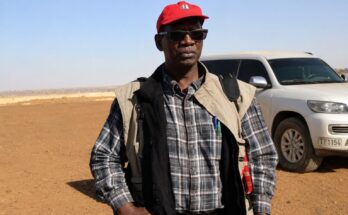
BAMAKO / ANEFIF — While Bamako’s military leadership projects an image of unshaken sovereignty, the ground reality in Mali tells a starkly different story. Escalating clashes in the North, the growing military prowess of Azawad rebels, and the devastating humanitarian toll of the junta’s alliance with Russian mercenaries are pushing the country toward an unprecedented political and military abyss. This grim assessment comes from Issouf Ag MAHA, a prominent Nigerien writer living in exile, who pulls no punches in his critique of the current regime.
A fatal addiction to power at the expense of peace
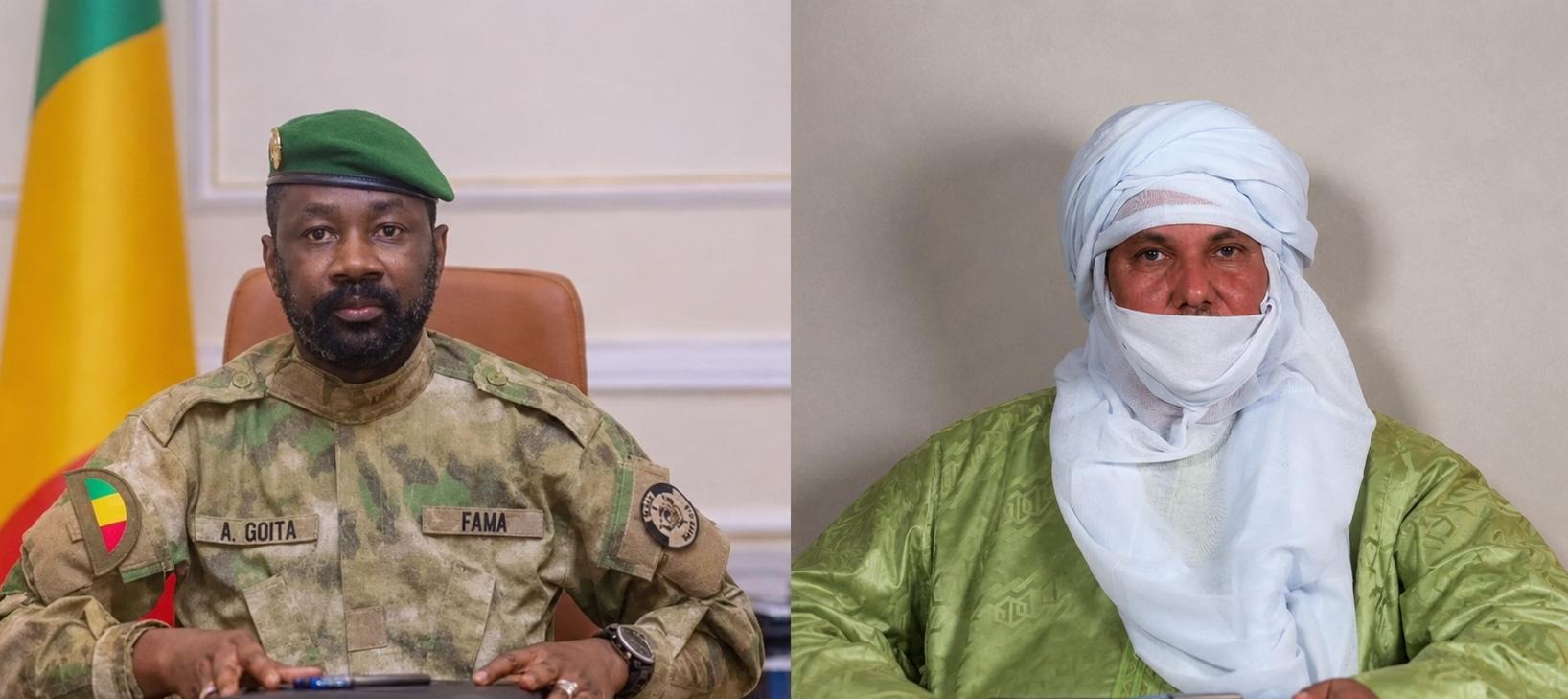
Since seizing power in August 2020, Mali’s military rulers vowed to restore territorial integrity and end the insurgency. Yet six years later, the outcome is bleak. By unilaterally abandoning the Algiers Peace Accords in January 2024, the transitional authorities closed the last remaining channel for political dialogue with northern movements, reigniting full-scale conflict.
In a blunt op-ed, Issouf Ag MAHA condemns what he describes as the junta’s « addiction to power, » a fixation that prioritizes short-term survival over long-term stability. The former mayor of Tchirozérine argues that Bamako’s leadership has entrenched itself in a siege mentality, stifling dissent through media censorship, public repression, and the silencing of opposing voices. As the capital tightens its grip, its influence beyond the urban core continues to erode.
Military setbacks expose the junta’s fragile narrative
The regime’s carefully crafted propaganda collides with harsh battlefield realities. On July 4, 2026, intense fighting erupted near Anefif, a key strategic outpost in northeastern Mali. Government forces, reinforced by Russian mercenaries, found themselves under heavy assault. According to Ag MAHA’s account, a reinforcement convoy dispatched from Gao was ambushed, inflicting heavy casualties and forcing a humiliating retreat.
This defeat follows a series of strategic reversals. The Malian Armed Forces suffered a crushing loss at Tinzawatène, and the Azawad Liberation Front (FLA) recaptured Kidal. These developments have upended the military balance, exposing Bamako’s claims of control as dangerously delusional. Yet despite these setbacks, the junta clings to the illusion of total victory, ignoring the fragility of its position.
In a surprising move after their military gains, the FLA allowed the withdrawal of some Malian and Russian troops from certain areas. Ag MAHA interprets this as a deliberate political gesture, designed to contrast their conduct with the junta’s brutal tactics and demonstrate compliance with international humanitarian law.
Africa Corps and the humanitarian cost of survival
Mali’s pivot toward Moscow, embodied by the deployment of Africa Corps (formerly Wagner Group), has freed the junta from Western democratic pressures—but at a horrific human cost. The writer’s analysis paints a devastating picture of civilian suffering in northern Mali, describing a systematic campaign of terror that has left local populations in a state of perpetual fear.
Among the documented abuses:
- Arbitrary arrests and enforced disappearances.
- Extrajudicial killings of civilians.
- A deliberate strategy of intimidation targeting entire communities.
Bamako continues to deny these accusations, retreating into denial that Ag MAHA warns could irreparably fracture national unity.
Aloof international silence hastens Mali’s unraveling
Mali’s tragedy unfolds against a backdrop of waning global attention, as other crises dominate headlines. Ag MAHA condemns the « deafening silence » of international actors, regional bodies, and the global press. He questions whether the world will only act once a military resolution is imposed—or whether Mali has already faded from strategic interest.
The analyst warns that Mali is hurtling toward a point of no return, where the prospect of meaningful dialogue grows slimmer by the day. By prioritizing the chimera of total military victory over justice, equality, and inclusive governance, the junta risks not rebuilding Mali—but presiding over its irreversible collapse.