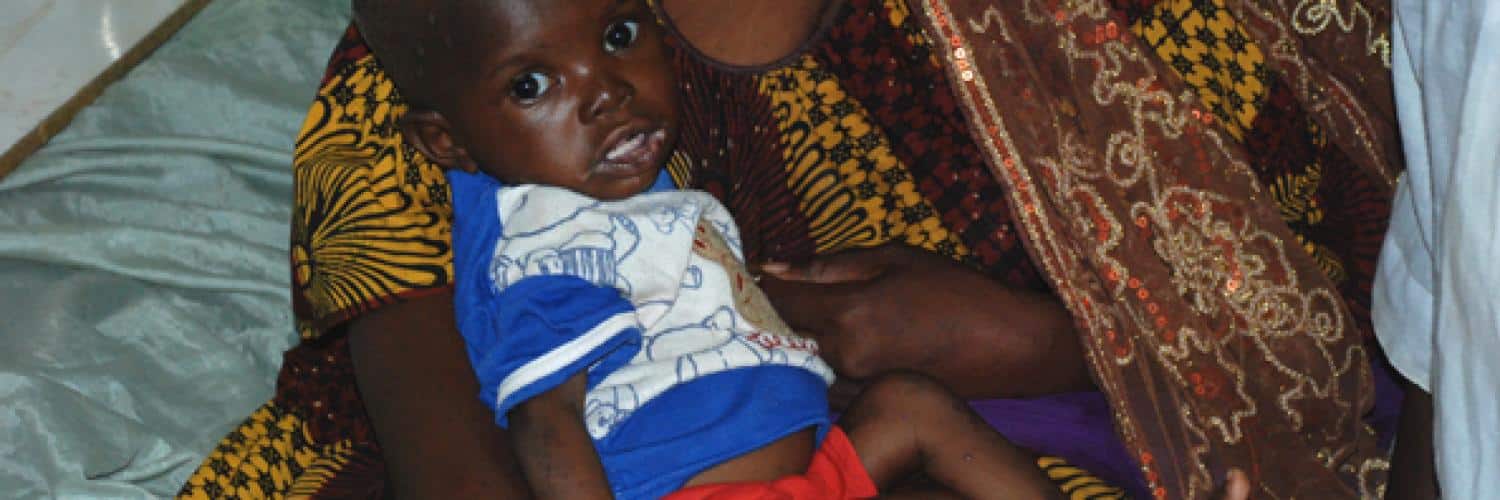
malnutrition remains a severe public health crisis in Mali, a West African nation home to 15 million people. Despite prevention efforts in recent years, pockets of severe malnutrition persist across the country. Here’s an in-depth look at the situation.
Mali faces significant malnutrition challenges, with infant mortality rates among the highest in the region—nearly 1 in 5 Malian children does not survive past the age of five. malnutrition’s impact extends far beyond immediate health concerns, affecting families and the nation’s long-term development.
In many Malian households, closely spaced pregnancies contribute heavily to malnutrition, particularly among young children and mothers. The larger the family size, the greater the risk of malnutrition, creating a cycle of poor health and limited opportunities.
alarming malnutrition rates in Mali
global acute malnutrition (both moderate and severe) affects 15% of Mali’s population, surpassing the World Health Organization’s (WHO) 10% alert threshold. Chronic malnutrition strikes even harder, with 38% of children under five suffering from stunted growth, far exceeding the 20% international alert level set by the WHO. Mali is clearly facing a severe malnutrition crisis.
Over 80% of children under five and 65% of women in Mali suffer from iron deficiency, one of the highest rates globally. This deficiency severely impairs children’s cognitive development and learning abilities, while pregnant women with iron deficiency are more likely to give birth to malnourished babies, perpetuating the cycle of poor health.
With 40% of Mali’s population affected by malnutrition, this crisis has become a pressing public health emergency that demands urgent and sustained action.
Mali’s response to the malnutrition crisis
Mali has developed a clear national nutrition policy, backed by a strategic action plan aimed at mobilizing funding and improving healthcare delivery. One key initiative includes the nationwide adoption of iodized salt to combat iodine deficiency disorders. Today, 79% of Malian households now have access to iodized salt, though the country is still working toward the 90% target set by health authorities.
Since 2005, Mali has conducted bi-annual intensive nutrition weeks (SIAN), reaching 95% of the country. These campaigns focus on children aged 6 to 59 months and have become a cornerstone of community-based nutrition awareness and prevention. During SIAN, the government and humanitarian partners promote vitamin A supplementation and deworming tablets, significantly reducing child mortality rates.
The community-based approach adopted by UNICEF and partners empowers local communities to recognize malnutrition symptoms, identify severe cases early, and provide timely care. As Médiatrice Kiburente Touré highlights, “these efforts must be amplified by educating communities about the benefits of clean water and addressing the root causes of malnutrition.”
In 2010, only 50% of children with severe acute malnutrition received treatment. Progress has been made since then, with increasing coverage across the country.