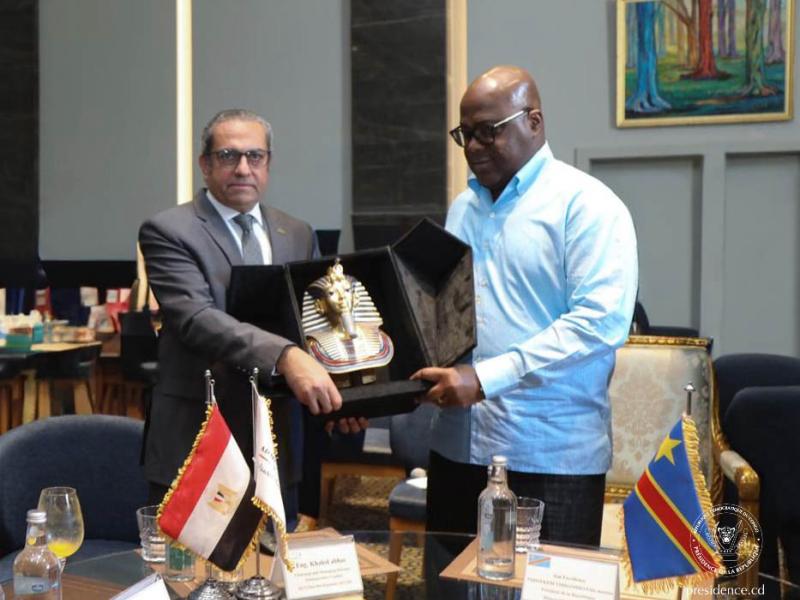
During a recent cabinet meeting in Kinshasa, President Félix Tshisekedi outlined key outcomes from his official visit to Egypt, held June 10-11, 2026. The diplomatic mission, conducted at the invitation of Egyptian counterpart Abdel Fattah Al-Sissi, underscored the shared commitment of both nations to deepen bilateral cooperation across multiple sectors.
In a statement following the 92nd meeting of the Council of Ministers at the Cité de l’Union Africaine, President Tshisekedi emphasized the importance of strengthening strategic partnerships between the Democratic Republic of Congo and other African nations. The visit resulted in the signing of several cooperation frameworks focused on investment, political consultation, urban development, and healthcare—all aimed at delivering tangible benefits to both populations.
military partnership takes center stage
Among the most significant agreements reached was the substantial enhancement of military cooperation between the two countries. This decision comes at a critical time as the DRC faces persistent security challenges in its eastern regions, particularly the ongoing conflict involving the AFC/M23 rebels, allegedly backed by Rwanda.
To operationalize this commitment, President Tshisekedi has instructed the Ministry of National Defense, in collaboration with the FARDC high command, to develop and submit a detailed implementation plan for a new military training program. Under this initiative, Congolese soldiers will receive advanced training in Egypt, aimed at modernizing the country’s defense capabilities and improving operational readiness.
next steps for security sector reform
The presidential directive mandates swift action from defense authorities to finalize the training program’s framework. This move is part of broader efforts to bolster the FARDC’s effectiveness in countering armed groups and safeguarding national sovereignty. The initiative reflects a broader strategy to diversify international partnerships and enhance Africa’s collective security architecture.
As Kinshasa and Cairo move forward with these plans, the move is expected to strengthen military ties while contributing to regional stability and the professionalization of the Congolese armed forces.