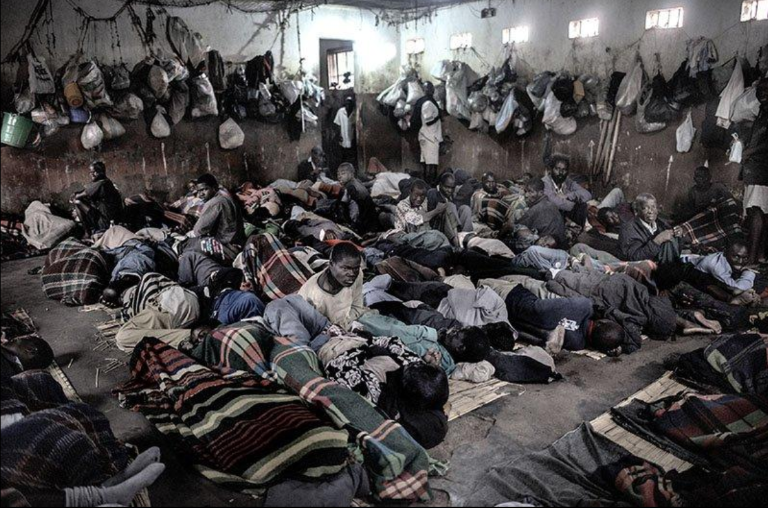
Thirty-three lives lost in a space meant for survival, not suffocation
In the early hours of September 17, 2026, a tragedy unfolded in Minna, Niger State, Nigeria, when 33 detainees—including 14 children—perished in a 12-square-meter cell designed to hold far fewer individuals. The victims’ final hours were marked by extreme overcrowding, suffocating heat, and a complete breakdown of basic human conditions.
What happened in Minna’s overcrowded cell
The disaster occurred within the detention facilities of the Nigeria Security and Civil Defence Corps (NSCDC), an agency tasked with civil security duties. Nearly 50 detainees—many suffering from dehydration and heat exhaustion—were crammed into a space barely large enough to sit upright. Investigators confirmed that the victims died from a lethal combination of asphyxiation, heatstroke, and systemic neglect.
Survivors later recounted harrowing details: the absence of potable water, inoperable sanitation facilities, and the desperate measures some took to quench their thirst, including consuming their own sweat or urine. Despite frantic pleas for help—banging on the cell door and shouting—the detained individuals were left unattended for hours.
An avoidable catastrophe with deep-rooted causes
An independent commission’s October 27 report laid bare the failures that led to the tragedy. Among the most alarming findings:
- Extreme overcrowding: The cell’s official capacity was exceeded by over 400%, with no ventilation or airflow to mitigate the oppressive conditions.
- Negligence and abuse: Officials charged with detainee welfare reportedly ignored distress signals for hours, contributing directly to the fatalities.
- Legal violations: Fourteen children were held alongside adults, violating national and international safeguards for minors in detention.
- Unlawful detentions: Many detainees had not been formally charged or given access to legal representation, flagrantly disregarding due process.
The commission concluded that the deaths were entirely preventable—a direct result of negligence, inadequate infrastructure, and systemic mismanagement.
How Africa’s justice systems fail those behind bars
The tragedy in Minna is not an isolated incident but a symptom of a continent-wide crisis. According to the United Nations Office on Drugs and Crime (UNODC) Prison Matters 2025 report, over 90% of African prison systems operate beyond capacity, with global overcrowding affecting more than 60% of countries surveyed. In Africa, 37% of incarcerated individuals in 2023 were awaiting trial—presumed innocent yet languishing in conditions that erode health and dignity.
The root causes are well-documented:
- Delayed justice: Overstretched courts and insufficient judges prolong pre-trial detention, turning temporary holding cells into permanent fixtures.
- Inadequate alternatives: Many detainees are held for minor infractions that could warrant non-custodial sentences, such as fines or community service.
- Poor infrastructure: Outdated, overcrowded facilities with limited sanitation, ventilation, and medical care make survival a daily gamble.
Time for radical reform: beyond bricks and mortar
Addressing this crisis demands more than constructing new prisons. African governments must prioritize systemic changes to ensure dignity and safety for all detainees:
- Fast-track judicial proceedings: Expedite case processing to reduce pre-trial detention periods and ease overcrowding.
- Enhance legal aid: Provide free, accessible legal representation to prevent unlawful detention and ensure fair trials.
- Expand non-custodial options: Implement community service, electronic monitoring, or rehabilitative programs for low-risk offenders.
- Improve detention conditions: Upgrade existing facilities with proper ventilation, sanitation, and medical care, and enforce separation of minors from adults.
- Strengthen oversight: Establish independent bodies to monitor detention centers and hold officials accountable for violations.
The UN Mandela Rules set clear standards: detainees must be treated with humanity and dignity. These rules are not optional—they are a moral and legal obligation.
A question of justice: can states protect the vulnerable?
Thirty-three lives were lost in Minna—a preventable tragedy that exposed gaping flaws in Africa’s detention systems. Fourteen of those who perished were children, their futures stolen in a matter of hours. The question now facing African leaders is stark: if detention centers become death traps, can they truly claim to uphold justice?
The answer lies not only in punishing those responsible but in transforming how justice is administered. Until detention is no longer synonymous with suffering, Africa’s prisons will remain a dark stain on the continent’s commitment to human rights and the rule of law.