Gold as a national symbol vs. foreign security influence
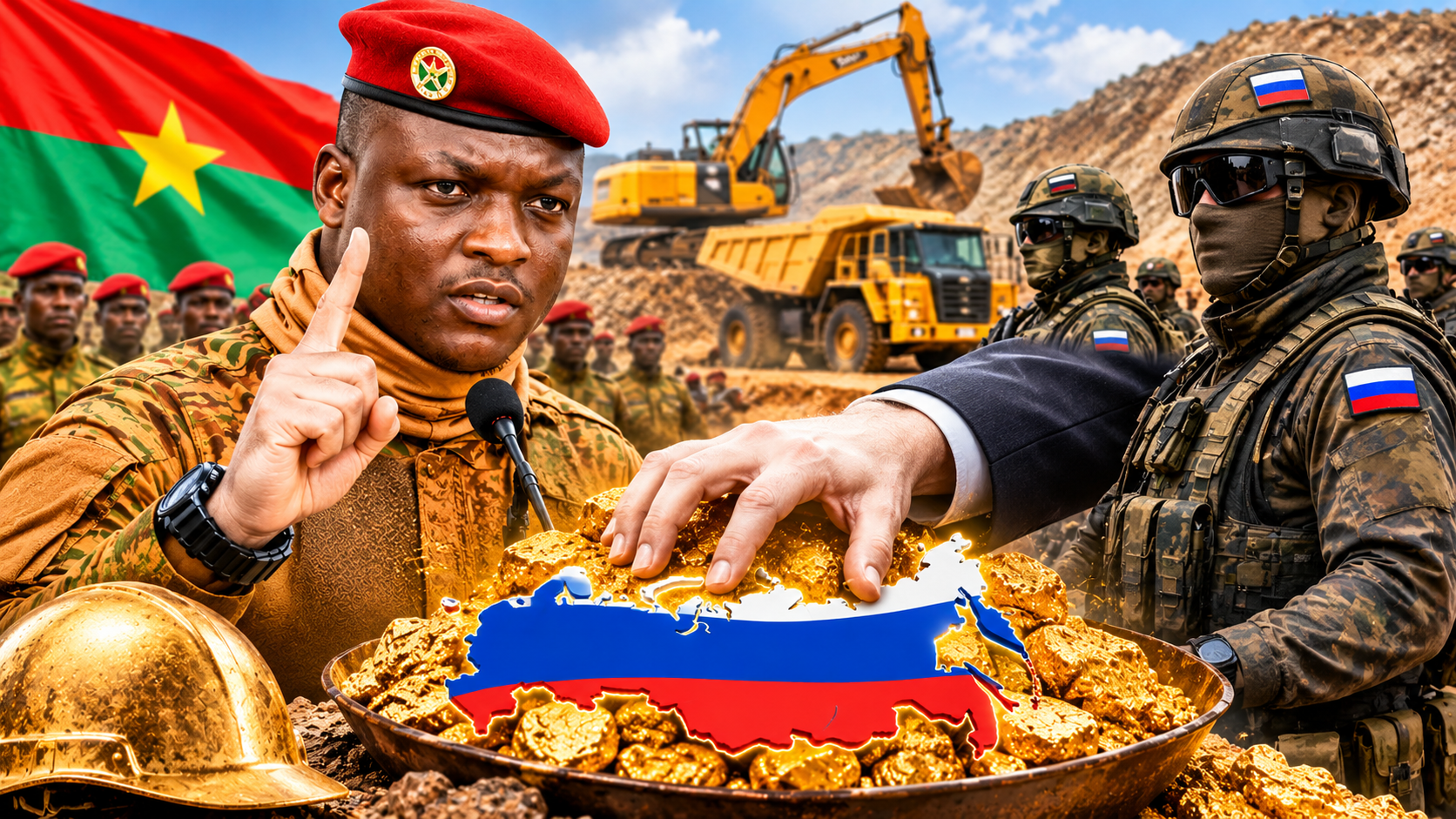
While Burkina Faso’s military leadership asserts that the nation’s natural resources belong exclusively to its people, the growing presence of Russian security firms in gold mining operations challenges this sovereignty claim. Ibrahim Traoré’s administration has repeatedly emphasized economic independence, yet the practical control over these strategic sites remains a subject of scrutiny.
From declarations to operational reality
Declarations of “100% Burkinabè gold” do not inherently guarantee national control over extraction, security, or revenue distribution. The high-stakes nature of gold mining spanning security protocols, mineral transportation, and financial oversight demands clear answers about who truly governs these operations beyond political rhetoric.
Key areas of foreign involvement
Security contracting: The presence of foreign security personnel raises questions about their authority, accountability, and the contractual terms governing their roles in national mines.
Regulatory oversight: External security firms must operate under strict frameworks that ensure alignment with Burkina Faso’s national interests, not external agendas.
Economic transparency: Ownership structures, profit-sharing agreements, and beneficiary identification must remain transparent to prevent undue foreign influence.
The legal vs. operational divide in resource control
Nationalizing gold reserves does not automatically equate to operational sovereignty. While foreign firms may not own the mines themselves, their influence in critical security and logistical functions can create dependencies that undermine Burkina Faso’s ability to make independent decisions. This duality where legal ownership and day-to-day control diverge requires urgent examination.
Why Burkina Faso’s model risks becoming a cautionary tale
Historical precedents show that partnerships involving critical infrastructure or natural resources often shift from strategic alliances to structural dependencies. For a nation recovering from colonial-era exploitation, the risk of replacing one dependency with another remains a pressing concern.
The government must demonstrate that its engagements with foreign security firms prioritize national development over external strategic interests. Without this, Ibrahim Traoré’s rhetoric of full sovereignty risks remaining unfulfilled.
What true economic sovereignty demands
Burkina Faso’s citizens deserve clarity on several fronts:
Who holds decision-making power in mine security operations?
How are security contracts structured, and who audits their compliance?
What percentage of mining revenues remains within national coffers?
Are foreign security personnel directly or indirectly influencing policy decisions?
The answers to these questions will determine whether Burkina Faso’s gold serves its people or becomes yet another asset leveraged by external actors.
A call for verifiable action over symbolic nationalism
Sovereignty cannot be declared through speeches alone. It requires:
Independent audits of all security and mining contracts.
Public disclosure of beneficiary ownership in gold-related ventures.
Legislative frameworks that cap foreign security influence in strategic sectors.
Until these steps are taken, the phrase “100% Burkinabè gold” will ring hollow for those questioning who truly controls the nation’s most valuable resource.
By Jeanne Ntouba — Journalist