Chad
N’Djamena tackles chaotic minibus stops for safer urban transport
Chaotic minibus stops in N’Djamena disrupt traffic flow and endanger passengers. Structured stops could transform urban mobility and safety in the Chadian capital.
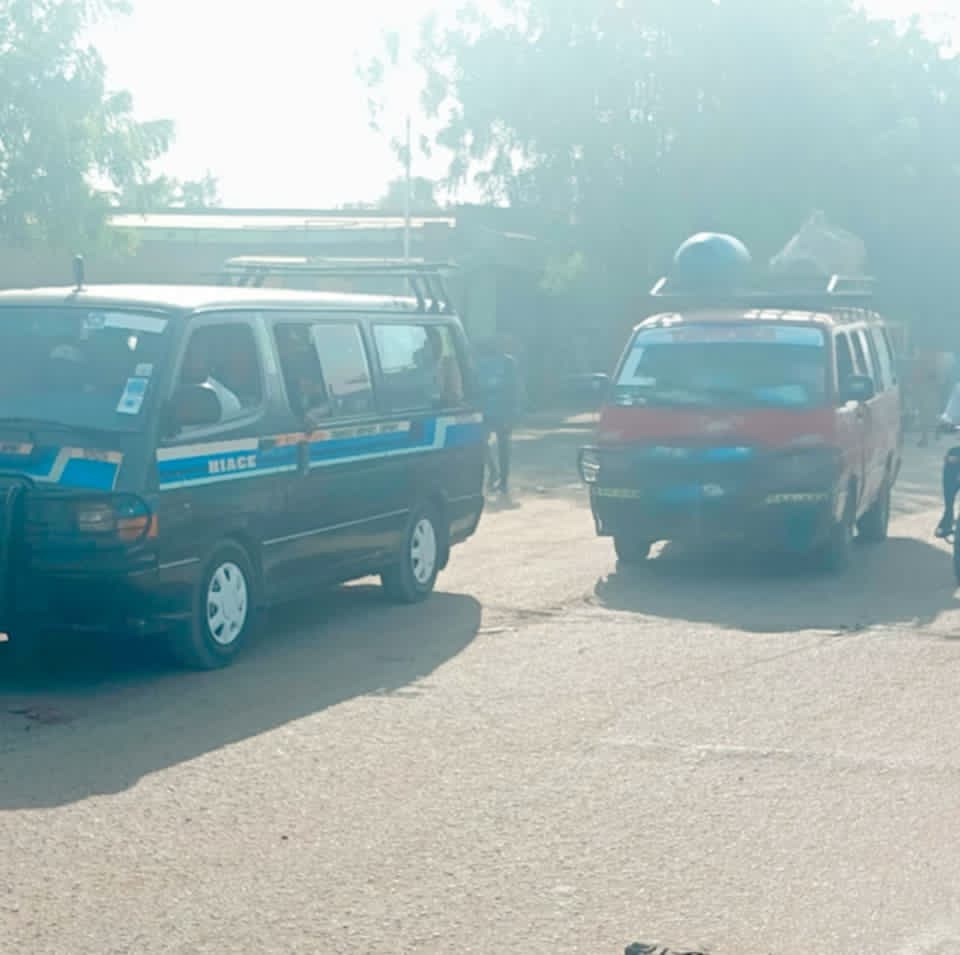
In a capital city expanding rapidly in both population and infrastructure, public transport has become a critical issue. In N’Djamena, minibuses serve as the primary mode of transport for thousands of residents, yet their operations remain largely unregulated.
This lack of oversight leads to haphazard stops, traffic chaos, and frequent accidents. The absence of designated pickup and drop-off zones has turned into a pressing public safety and urban planning challenge. Daily, minibuses screech to a halt along busy roads, forcing passengers to board and alight in makeshift conditions.
Without structured stops, drivers often pull over in the middle of traffic, creating bottlenecks during peak hours. This not only slows down urban mobility but also exposes passengers and pedestrians to high collision risks. Navigating between moving vehicles has become routine for commuters in N’Djamena, where sidewalks and pedestrian crossings are scarce.
The solution lies in establishing well-planned minibus stops at strategic intervals—approximately every 150 to 200 meters, depending on neighborhood density. These designated zones would streamline boarding and alighting, reduce reckless driving caused by unpredictable stops, and improve overall traffic flow.
Beyond safety, this initiative would help reshape the city’s mobility culture. Many African capitals facing similar challenges have benefited from structured public transport stops, leading to better road discipline and more efficient commutes. N’Djamena must join this movement.
Key steps toward organized transport
Local authorities, transport officials, and informal sector stakeholders must collaborate to implement this change. Installing clear road signs, setting up basic shelters, and educating drivers on proper stop practices could mark a tangible first step. However, infrastructure alone won’t suffice—strong political commitment and collective coordination are essential.
With urban growth showing no signs of slowing, proactive transport planning is no longer optional—it’s a necessity. By structuring minibus stops, N’Djamena can build a safer, smoother, and more modern urban transport system for all.