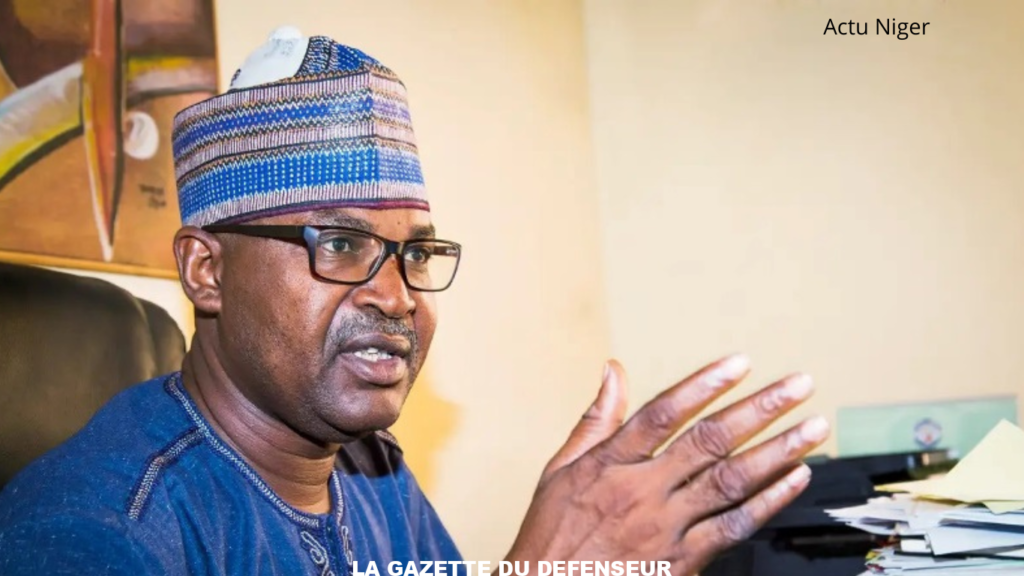
Nassirou Bodo has been remanded in custody at Niamey’s main detention center following his presentation to prosecutors, local sources confirm. The activist’s detention comes after a period of police custody, though specific charges have not been disclosed by authorities.
Civil society leader Kaka Touda corroborated the news via a social media post, sharing updates on the situation without elaborating on the legal grounds for the arrest. Meanwhile, a private daily publication reported that Bodo faces allegations of ‘disseminating information likely to disrupt public order.’
Days earlier, Bodo had called on citizens to launch a year-long campaign—extendable—of peaceful protests against what he described as systemic state violence. In his appeal, he highlighted concerns such as escalating ‘insecurity across multiple regions’ and the ‘unjust evictions’ affecting residents near Niamey’s airport, a site targeted in a January 29 attack claimed by the Islamic State in the Sahel (ISIS).
Government officials have justified the demolitions of allegedly ‘illegally constructed’ homes as a counterterrorism measure to safeguard the capital from ‘terrorist threats.’
The West African nation continues to grapple with insurgencies linked to Al-Qaeda and ISIS affiliates, which have intensified since the military takeover in July 2023. Under the new regime, critics—including journalists and civil society figures—have faced arrests, detentions, and in some cases, convictions on charges such as defamation, national security violations, and conspiracy against state authority.
The United Nations reports that 13 journalists were detained in Niger in 2025, with three—among them a correspondent for Deutsche Welle—released in early May after months behind bars. Five others remain imprisoned, according to local press freedom groups.
Prominent activist Moussa Tchangari, a vocal opponent of the junta, has been held since December 2024 on accusations including ‘terrorist propaganda and undermining state security.’