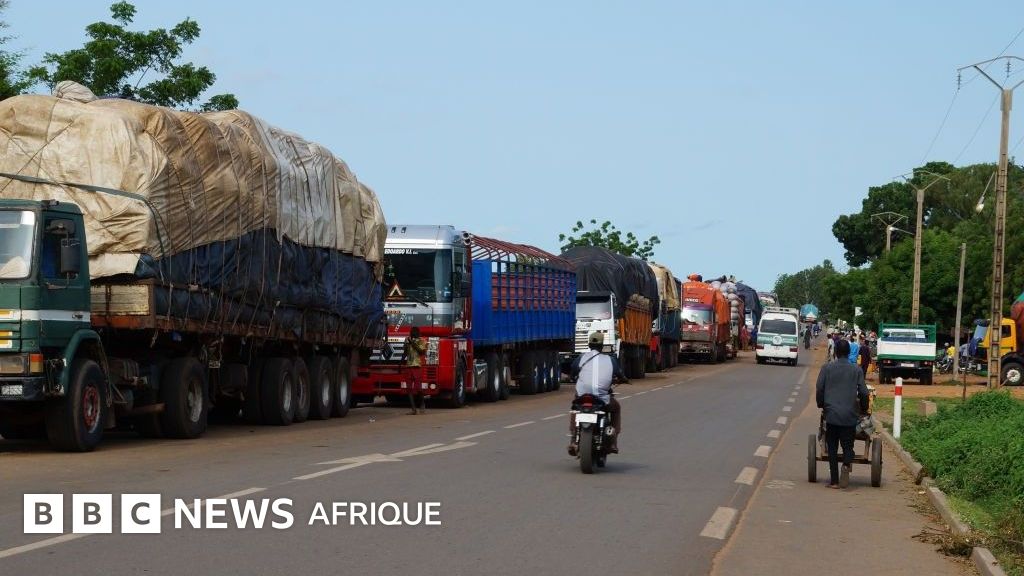
Niger and Benin edge closer to reopening borders after three-year standoff
After three years of strained relations culminating in a complete border closure, Niger and Benin have signaled a potential turning point in their diplomatic and economic ties. High-level discussions held over the weekend in Cotonou have yielded significant progress toward resolving long-standing disputes and restoring cross-border trade.
On Friday, a high-powered Nigerien delegation led by General Mohamed Toumba, Minister of Interior and Public Security, arrived in Cotonou for intensive negotiations with Beninese officials. The two-day meeting concluded with a series of landmark agreements addressing security cooperation, trade facilitation, and unresolved legal disputes that had festered since 2023.
Key agreements reached during the Cotonou talks
- Security collaboration: Both nations have agreed to strengthen joint efforts against terrorism and cross-border criminal networks operating in the region.
- Trade facilitation: Transit duties will be waived for goods moving between the two countries, with certain restricted items remaining prohibited from local consumption.
- Legal reconciliation: Pending disputes will be fast-tracked for resolution, with a dedicated joint commission to be established within 30 days.
- Economic normalization: Both sides committed to revise various levies and charges that had previously hindered trade flows.
General Toumba described the outcome as a “historic moment” that would “create value for our economies, security for our people, and hope for our youth.” The agreements now await final approval from both governments before implementation.
The diplomatic thaw led by Benin’s new leadership

The dramatic shift in relations coincides with the April 2024 election of Benin’s new President Romuald Wadagni. Within a week of his inauguration, Wadagni made a landmark visit to Niamey, becoming the first regional leader to engage directly with Niger’s military government following the July 2023 coup that ousted President Mohamed Bazoum.
Three weeks after that initial meeting, both countries have already translated their joint communiqué into concrete actions. Their presidents had previously agreed to establish a mixed commission to investigate the events leading to the 2023 border closure and remove all obstacles to deeper cooperation.
“We have moved from confrontation to collaboration,” declared Benin’s Industry and Trade Minister Oleshegun Adjadi Bakari. “After 48 hours together, we now form one delegation with a single purpose: to rekindle the age-old bonds between our peoples.”
Roots of a three-year conflict that crippled regional commerce
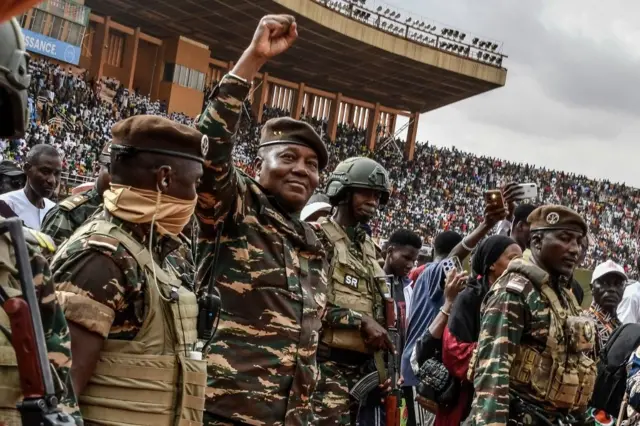
The deterioration began after Niger’s military takeover in July 2023, when General Abdourahmane Tiani’s junta accused Benin’s previous administration and other regional leaders of plotting military intervention to restore constitutional order under ECOWAS leadership.
Niamey repeatedly alleged that Cotonou hosted French troops preparing to invade Niger, claims both governments and Paris consistently denied. The junta also criticized Benin for supporting sanctions imposed by ECOWAS following the coup, including the regional body’s decision to close borders with Niger.
Relations worsened further when both countries exchanged accusations of harboring armed groups and supporting coup plotters, particularly after an attempted putsch against Benin’s government in December 2023.
Economic fallout affects communities on both sides
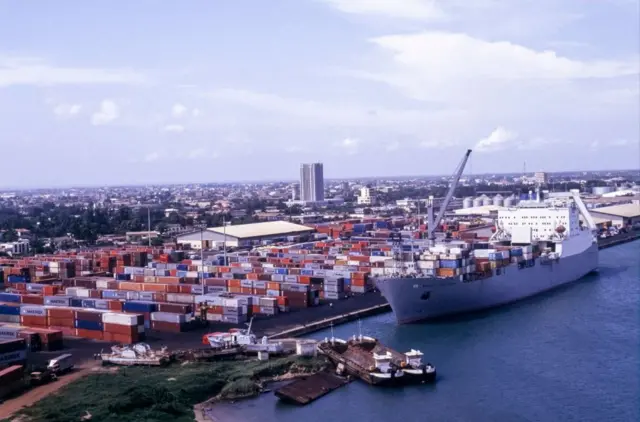
The prolonged border closure has devastated what was once West Africa’s busiest trade corridor. Niger, a landlocked nation, relies heavily on Benin’s Port of Cotonou for 90% of its international trade.
Local transporters report devastating consequences:
- Warehouses near the Malanville border crossing stand empty as thousands of trucks remain stranded
- Grain shortages have crippled food security in border communities
- Daily operating costs for truckers have surged by 40% due to longer alternative routes
- The once-thriving Niger-Benin corridor has been replaced by riskier routes through Burkina Faso, where jihadist attacks are frequent
“This is not just a trade issue—it’s about people’s livelihoods,” said Ibrahim Abou Koura, a Nigerien transporter based in Cotonou. “Families on both sides of the border are suffering because of political decisions made in Niamey and Cotonou.”
The economic damage extends beyond land trade. Benin suspended oil loading at its Seme-Kpodji terminal, which handles Nigerien crude through the 2,000km pipeline operated by Chinese firm WAPCO. Meanwhile, Niger has diverted all commercial traffic to Togo’s Port of Lomé, increasing transport costs and delivery times for businesses on both sides.
With the new agreements in place, communities along the border are cautiously optimistic about the prospect of resumed commerce. “We just want to go back to work,” said a Malanville truck driver waiting at the closed crossing. “Our families depend on this trade.”