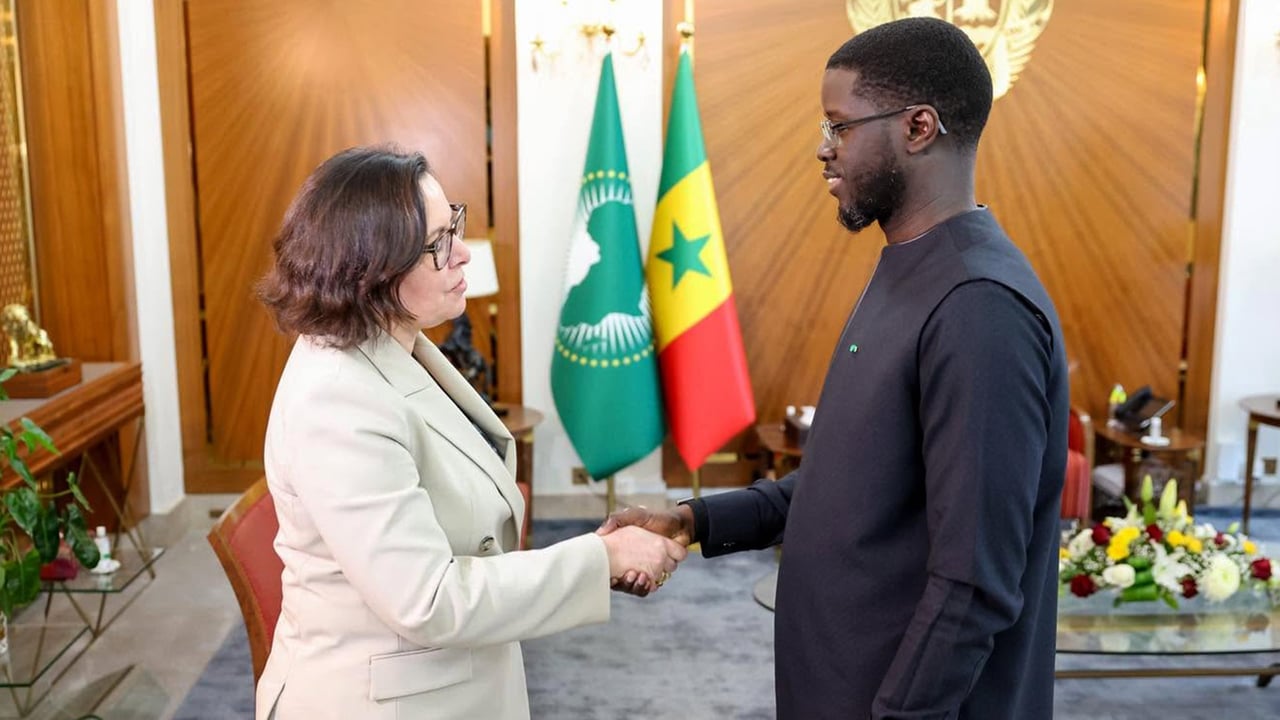

The International Monetary Fund (IMF) concluded a critical mission in Dakar last month, addressing pressing debt sustainability concerns in Senegal. Led by mission chief Mercedes Vera Martin, the team engaged in high-stakes discussions with President Bassirou Diomaye Faye and key economic officials to outline a revised fiscal strategy for the West African nation.
The talks centered on debt restructuring, a topic that has dominated economic discourse in Senegal since reports emerged of undisclosed liabilities. At the heart of the negotiations was the need to balance fiscal discipline with social and developmental priorities. The IMF emphasized transparency, urging authorities to provide a clear audit of all public debt obligations to restore investor confidence.
Key outcomes of the IMF mission in Senegal
The IMF delegation wrapped up its assessment with several pivotal recommendations aimed at stabilizing Senegal‘s economic outlook. Among the most critical points discussed were:
- Debt transparency: A full disclosure of all off-balance-sheet liabilities, including guarantees and contingent liabilities, was identified as a non-negotiable step. The IMF stressed that without this clarity, any debt restructuring efforts would be undermined by lingering uncertainty.
- Fiscal reforms: The need for targeted spending cuts and revenue mobilization was highlighted. The IMF suggested redirecting expenditures toward high-impact sectors while phasing out inefficient subsidies to free up resources for debt servicing.
- Debt restructuring framework: Negotiations focused on extending maturities and reducing interest burdens on existing debt. The IMF proposed a multi-year fiscal consolidation plan to gradually ease the debt-to-GDP ratio, which has been a growing concern for credit rating agencies.
- Governance improvements: Strengthening institutional frameworks to prevent future fiscal missteps was a recurring theme. The IMF recommended enhanced oversight of public financial management, including regular independent audits and stricter controls on borrowing practices.
President Faye’s commitment to reform
President Bassirou Diomaye Faye reaffirmed his administration’s dedication to addressing the debt challenge head-on. During the meetings, he outlined a series of initiatives designed to align Senegal’s economic policies with IMF expectations. These include:
- Launching a national debt audit to uncover any hidden liabilities and ensure full transparency in public finances.
- Implementing structural reforms to improve the business environment, attract foreign investment, and boost domestic revenue collection.
- Engaging in constructive dialogue with creditors to negotiate favorable terms for debt restructuring, while safeguarding essential public services.
The IMF commended the government’s proactive stance, noting that such measures could pave the way for a new financing arrangement. However, it cautioned that delays in implementation could erode confidence and exacerbate economic vulnerabilities.
What’s next for Senegal’s economy?
The path forward for Senegal hinges on swift and decisive action. With the IMF’s recommendations now on the table, the government faces the challenge of balancing reform with social stability. Critical milestones in the coming months include:
- The completion of the national debt audit, expected to reveal the full extent of the country’s liabilities.
- Finalizing a new IMF program, which would provide a financial lifeline and signal to markets that Senegal is committed to fiscal responsibility.
- Announcing concrete steps to restructure debt, including potential haircuts or maturity extensions, to ease immediate pressure on public finances.
Analysts warn that the window for achieving these goals is narrow. Any further delays risk undermining Senegal’s hard-won economic progress and could trigger credit rating downgrades. Yet, with political will and international support, the country may yet navigate this crisis and emerge with a more resilient economic foundation.
The IMF mission’s findings underscore the delicate balance between austerity and growth—a challenge that Senegal must now confront with urgency and precision.