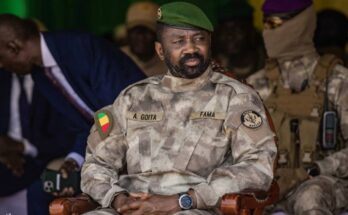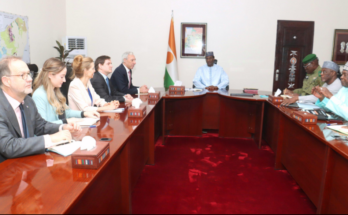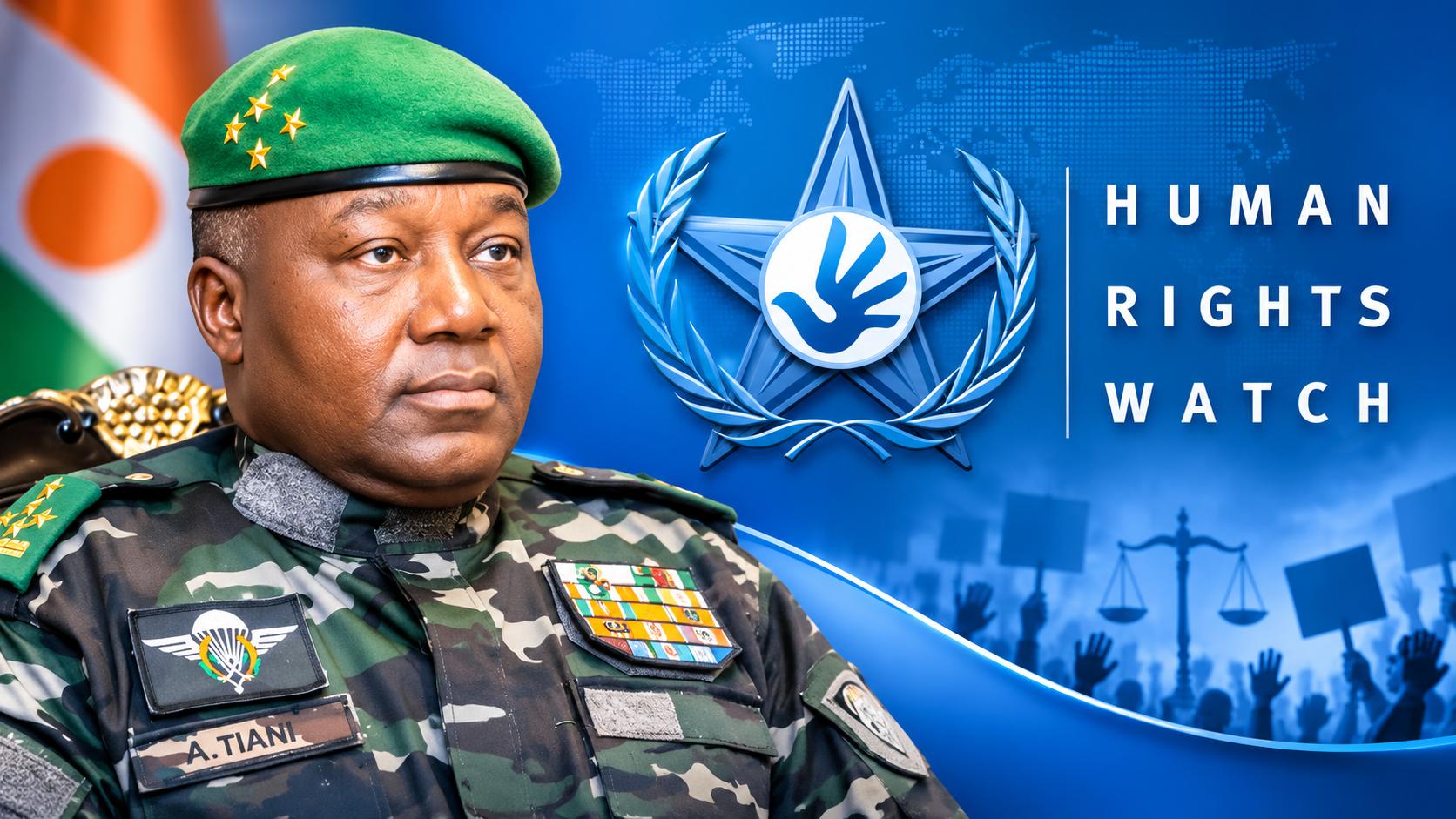
Three years have passed since the military takeover led by General Abdourahamane Tiani, and the situation in Niger continues to deteriorate under a regime that has systematically eroded democratic foundations. A recent report highlights a stark reality: the National Council for the Safeguard of the Homeland (CNSP) has dismantled key pillars of governance, replacing them with an authoritarian system that stifles dissent and undermines fundamental freedoms.
From democratic backsliding to outright repression
The coup of July 26, 2023, which ousted democratically elected President Mohamed Bazoum, marked the beginning of a relentless crackdown. Under the pretext of national security and sovereignty, the military leadership has progressively dismantled judicial independence, silenced opposition voices, and restricted civic space to an unprecedented degree.
Political prisoners and the weaponization of justice
The continued detention of former President Bazoum and his wife remains one of the most glaring symbols of this authoritarian drift. Despite international condemnation and calls from the United Nations Working Group on Arbitrary Detention for their immediate release, the military regime has shown no signs of relenting. The crackdown extends beyond political figures, ensnaring civil society leaders like Moussa Tiangari, a prominent human rights defender arrested in December 2024.
Legal maneuvers have further tightened the regime’s grip. Authorities recently amended the penal procedure code, extending the maximum pre-trial detention period from 12 months to four years in terrorism-related cases—a move widely criticized as a retroactive judicial overreach designed to prolong arbitrary detentions.
Media muzzling and the silencing of dissent
Freedom of expression has become another casualty of this institutional breakdown. The crackdown on dissenting voices has taken multiple forms:
- Dissolution of political and social structures: All opposition parties have been banned, while independent trade unions and NGOs have had their activities suspended indefinitely.
- Aggressive media censorship: A revised cybercrime law has empowered authorities to target journalists and critics. In October of last year, six reporters in Niamey were detained for merely announcing a press conference.
- Persecution of exiles: The regime has expanded its repression beyond borders, stripping critics like Mariama Djibrine of their citizenship to neutralize their influence abroad.
Societal regression and diplomatic isolation
The military government has not only tightened its grip domestically but also pursued a strategy of international disengagement. In March, a sweeping amendment to the penal code criminalized same-sex relations and LGBT support activities, imposing sentences of five to twenty years in prison. The move has already disrupted vital public health initiatives and sparked a wave of arrests.
Niamey’s withdrawal from the Economic Community of West African States (ECOWAS) and the International Criminal Court (ICC) in June underscores its defiant isolation. Analysts warn that these decisions leave citizens with no legal recourse amid escalating insecurity, particularly in volatile regions like Tillabéri, where civilian casualties from military operations continue to rise.
International calls for accountability
Human rights organizations are urging global partners to move beyond passive diplomacy and demand concrete action. Their appeals center on two critical demands: the immediate release of political prisoners and the restoration of a clear pathway toward civilian rule. Without such intervention, the downward spiral in Niger risks deepening, with lasting consequences for the entire Sahel region.