Nigeria and Cameroon strengthen defense ties with new security pact
The governments of Nigeria and Cameroon have formalized a landmark defense agreement in Yaoundé, aimed at tightening security along their shared southern frontier. The pact establishes a robust framework for enhanced military coordination, intelligence sharing, and joint training initiatives.
- Security

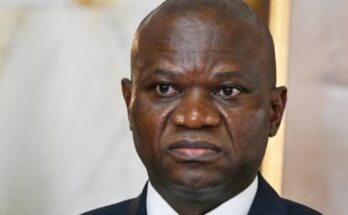
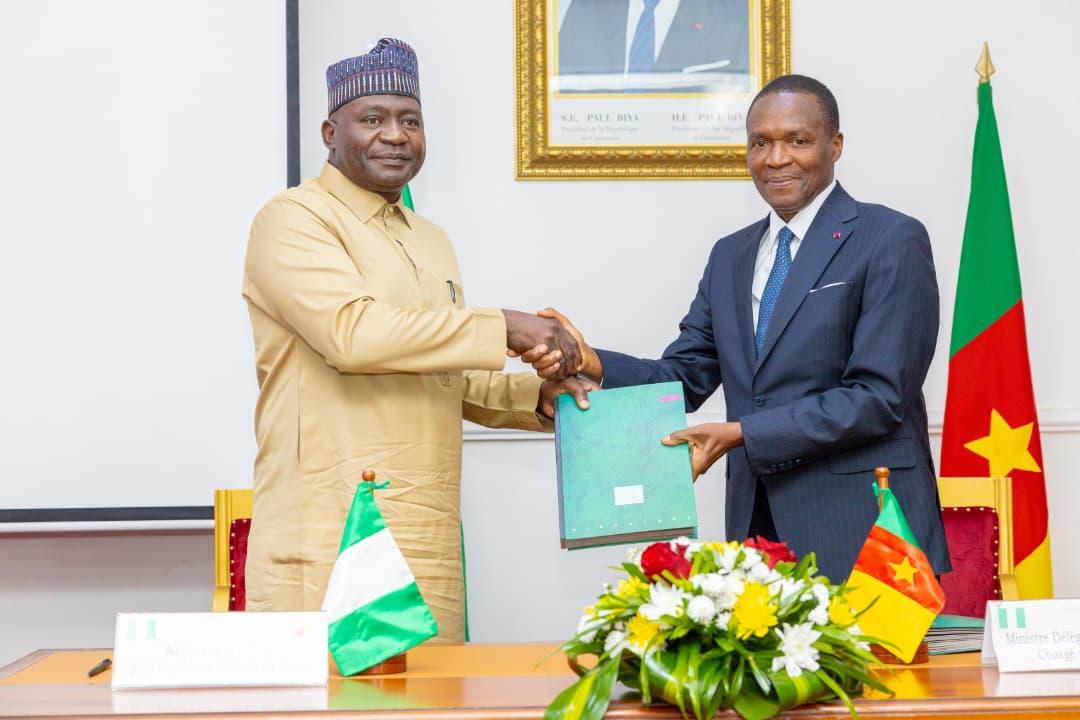
In a significant move to address evolving security challenges, Nigeria and Cameroon have inked a comprehensive defense memorandum in the Cameroonian capital. The agreement, signed by Nigeria’s outgoing Defense Minister, General Christopher Gwabin Musa, and Cameroon’s Minister Delegate to the Presidency for Defense, Joseph Beti Assomo, marks a pivotal step in regional security collaboration.
The two-day high-level consultations brought together senior military and security officials from both nations. The resulting framework outlines a modernized approach to tackling security threats spanning both terrestrial and maritime domains. Key provisions include intensified operational coordination, enhanced intelligence exchange, mutual logistical support, joint military drills, and personnel exchange programs. Additionally, the pact emphasizes the development of rapid-response mechanisms to counter emerging threats.
General Musa highlighted the agreement’s role in creating a structured platform for sustained military cooperation. “This pact institutionalizes our collaborative efforts in addressing shared security concerns,” he stated. Discussions also focused on the recently established Multinational Maritime Task Force, with both ministers underscoring the urgency of fully operationalizing this initiative. The task force is seen as a critical instrument for safeguarding the Gulf of Guinea and protecting the region’s economic and security interests.
The defense industrial sector featured prominently in the negotiations. Nigeria’s Defense Minister underscored the necessity of bolstering local defense manufacturing, noting that Africa’s defense capabilities are often hamstrung by reliance on foreign equipment. He emphasized the need for deeper regional industrial partnerships, pointing to the Defense Industries Corporation of Nigeria’s potential to spearhead collaborative projects in military equipment production, technology transfer, research, innovation, and skills development.
Cameroon’s representative, Joseph Beti Assomo, echoed this sentiment, expressing keen interest in expanding bilateral cooperation in defense technology and innovation. He revealed that formal proposals are being finalized to pave the way for concrete joint ventures in these critical sectors.