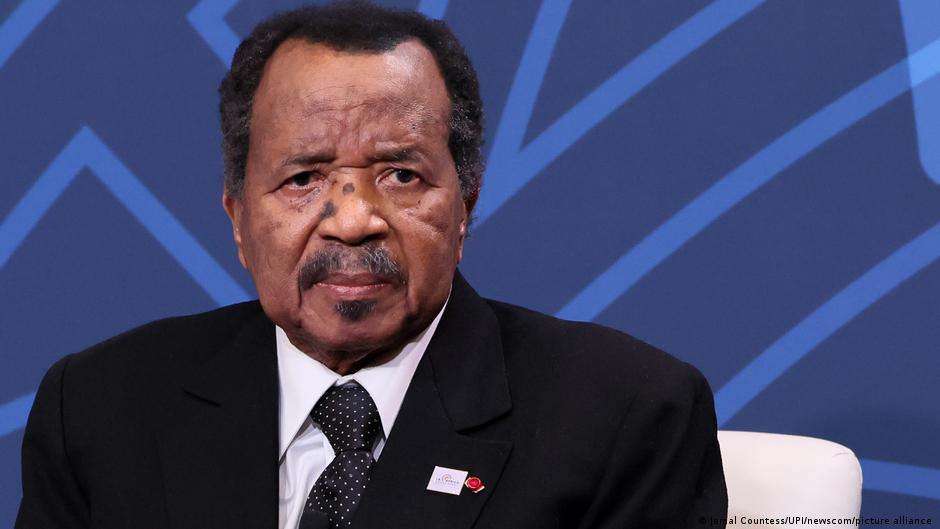
The recent six-month prison sentence handed to internet user Patrick Mengue for insulting President Paul Biya has reignited discussions about the boundaries of free speech in Cameroon.
Human rights advocates argue that the conviction under Cameroon’s penal code—specifically articles addressing defamation, insults, and disrespect toward public officials—undermines fundamental freedoms. Maître Batang Kolon, a prominent Cameroonian lawyer, expressed frustration, stating, “There’s no room for interpretation—it’s a strict application of the law. This young man wrote a prayer, and now even prayers are prohibited. It’s deeply disappointing.”
Silence on the President’s health
The timing of Mengue’s sentencing coincides with the prolonged absence of President Biya, who has been abroad with no official updates on his condition. This lack of transparency has fueled speculation and raised concerns about governance.
Cases that set precedents
Mengue’s case is not isolated. In 2017, writer and academic Patrice Nganang was arrested for criticizing the Anglophone crisis and charged with insulting the president. In 2019, activist Sébastien Ebala faced detention for repeated criticism of Biya’s policies. Earlier, in 2010, journalist Jean Bosco Talla received a suspended one-year prison sentence and a hefty fine for publishing an article about a rumor regarding the president’s health.
Freedom of expression under scrutiny
Human rights organizations argue that these legal actions reflect a pattern of suppressing dissent. Cyrille Rolande Bechon, president of the NGO Les Nouveaux Droits de l’Homme, condemned the ruling, calling it “an injustice that stifles political discourse.”
Government officials, however, defend the prosecutions, insisting they protect institutions, individual honor, and public order. Yet the broader implications of Mengue’s conviction extend beyond his case, prompting a national conversation about the limits of free speech in Cameroon.