In a striking turn of events, Niger—once a net exporter of refined petroleum products—now finds itself importing gasoline from Algeria to meet domestic fuel demand. The arrival of 53 Algerian tanker trucks in Agadez, hailed as a diplomatic triumph, masks a deeper crisis: systemic failures in fuel supply management, financial mismanagement, and the erosion of the country’s energy sovereignty.
From surplus exporter to foreign fuel dependency
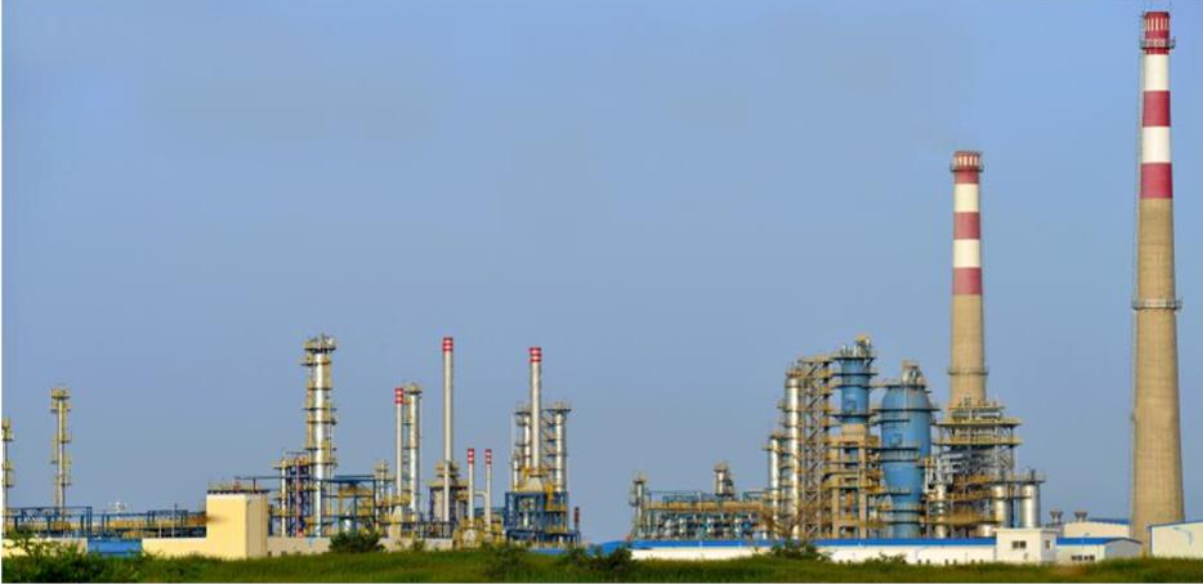
The paradox is glaring. Despite operating the SORAZ refinery in Zinder—one of West Africa’s largest—Niger has seen a dramatic shift in its fuel supply chain. In 2023, the refinery produced 365.95 million liters of gasoline, with 328.25 million liters delivered to the national fuel distributor SONIDEP. By 2024, production dropped slightly to 345.34 million liters, but this time, every single liter was allocated to SONIDEP—leaving no surplus for export. The first two months of 2025 followed the same pattern: 56.88 million liters produced and delivered, zero excess.
The disappearance of exportable surplus signals a critical juncture. While diesel continues to be exported, gasoline—once a key export—has been entirely redirected to domestic consumption. This raises a pressing question: if Niger’s refinery can no longer produce surplus fuel for export, how can it reliably meet its own nation’s growing demand?
SONIDEP’s financial woes and the erosion of stockpiles
The national fuel distributor, SONIDEP, sits at the heart of this crisis. Official reports suggest the company faces a debt exceeding 418 billion West African CFA francs—a figure that, if confirmed, would expose severe gaps in revenue collection, debt management, and financial transparency. How can an entity responsible for handling millions of liters of fuel accumulate such a staggering debt? Are sales revenues being fully collected? Are unpaid bills from distributors and other clients piling up? And most critically, where is the money going?
Rumors within the oil sector indicate that strategic fuel reserves may have been liquidated to shore up cash flow, undermining long-term energy security. Such moves, if real, could have crippling consequences. Refineries depend on carefully planned maintenance shutdowns; a country cannot claim energy sovereignty if it burns through its emergency reserves without a sustainable replenishment plan.
The collapse of informal supply chains and rising domestic demand
Another layer of complexity stems from the collapse of informal fuel imports from Nigeria—a mainstay of Niger’s market for years. Cheap, unregulated gasoline from Nigeria kept supply flowing, even as domestic refinery capacity lagged. But following Nigeria’s fuel subsidy removal and intensified border controls, these clandestine supply lines have dried up. By March 2025, SONIDEP was receiving only 25 tanker trucks from SORAZ daily—far below the estimated national demand of 50 trucks per day. The gap forced Niamey to seek alternatives, leading to the Algerian fuel convoy in November 2026.
This dependence on illicit imports highlights a dangerous oversight: Niger’s failure to scale up formal supply infrastructure in time. Why weren’t storage facilities expanded? Why weren’t import contracts secured proactively? The result is a reactive, crisis-driven approach to fuel supply—one that leaves the nation vulnerable.
The Mali paradox: exporting solidarity while importing fuel at home
In November 2025, Niger sent 82 tanker trucks to Mali, aiding Bamako amid a fuel blockade by armed groups. Yet, while celebrating this act of regional solidarity, little scrutiny fell on Niger’s own reserves. Were domestic fuel stocks sufficient to both support Mali and meet local demand? Reports indicate that transporters refusing to participate were sanctioned—14 lost operating licenses, and 19 drivers had their permits revoked. The message was clear: national priorities were being enforced, but at what cost to Niger’s internal fuel security?
The contrast was stark: solemn ceremonies welcoming Algerian tankers in Agadez versus punitive measures against Nigerian transporters. Both episodes reveal a troubling inconsistency: Niger prioritizes fuel diplomacy over domestic resilience.
Sovereign fuel supply or emergency patchwork?
Algeria’s role as a stopgap supplier is not inherently problematic—geographic proximity and refining capacity make it a logical partner. But the timing and circumstances of the November 2026 delivery expose deeper flaws. Niger’s Prime Minister announced an emergency committee in October 2026 to address shortages, and in a rare move, the government banned gasoline and diesel exports to prioritize domestic consumption. These actions underscore a crisis, not a strategy.
What’s missing is a comprehensive, transparent energy policy. Niger needs verifiable data on:
- Actual stock levels across refineries, depots, and regional distribution points
- Financial health and debt status of SONIDEP and SORAZ
- Real-time tracking of fuel flows from production to pumps
- Mechanisms for replenishing strategic reserves
Without these safeguards, the 1.65 million liters from Algeria offer only temporary relief—not a sustainable solution.
The hard questions: Where are the revenues? Who bears responsibility?
As Niger navigates this fuel crisis, the most urgent demand is for accountability. Where did the surpluses of previous years go? Why did gasoline deficits surge from 47.25 million liters in 2024 to 196.62 million liters in the first eight months of 2026? Why were maintenance funds for SORAZ redirected? And at what cost were Algerian imports procured?
The real scandal isn’t importing fuel—it’s the inability to explain why a nation with a refinery, oil reserves, and decades of petroleum trade now struggles to keep its own pumps full. Energy sovereignty isn’t just about production; it’s about reliable, transparent supply. Until Niger addresses the root causes of this paradox, more tanker convoys—whether from Algeria or elsewhere—will only treat the symptoms, not the disease.