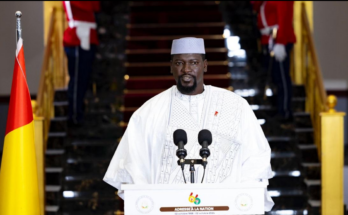
The Government of Benin has appointed Yacoubou Amadou as the new ambassador extraordinary and plenipotentiary to the Republic of Niger. The decision, announced following a cabinet meeting presided over by Romuald Wadagni on November 4, 2026, underscores a strategic move amid ongoing diplomatic strain between Cotonou and Niamey.
Diplomatic appointment signals potential thaw in Benin-Niger relations
This appointment comes at a critical juncture in West African diplomacy, as relations between Benin and Niger remain clouded by political disagreements and mutual accusations. While administrative in nature, the nomination reflects a deliberate effort to reinforce diplomatic communication channels and gradually restore dialogue between the two neighboring nations.
Context of regional tensions
Over recent months, diplomatic relations between Benin and Niger have experienced recurrent episodes of tension. Political disagreements and public accusations have contributed to a fragile inter-state relationship, raising concerns over regional stability.
Despite these challenges, Benin has consistently emphasized maintaining regional peace and prioritizing constructive neighborly relations. Earlier in September 2026, Cotonou reaffirmed its commitment to opposing any destabilization efforts in Niger while advocating for normalized bilateral relations.
Role of the new ambassador
As Benin’s new envoy to Niamey, Yacoubou Amadou’s mandate includes representing the country’s interests, transmitting official positions, and facilitating high-level exchanges. In a diplomatic environment marked by misunderstanding, a formally accredited ambassador serves as a vital bridge for dialogue and dispute resolution.
Yet, the success of this appointment ultimately lies in the political will of both governments to engage in constructive engagement. Observers suggest that Amadou’s role could extend beyond protocol if it fosters more regular communication and mutual understanding.
Shared interests underscore need for cooperation
Despite political differences, Benin and Niger share critical economic, geographic, and security interests. Their cooperation directly impacts trade flows, cross-border mobility, and regional stability in West Africa.
Disruptions in diplomatic relations have tangible consequences for citizens and businesses on both sides. Restoring trust and reviving economic exchanges depend largely on the ability of both countries to resume constructive dialogue. In this context, diplomacy remains a key instrument for overcoming differences and protecting shared priorities.
Prospects for a new diplomatic chapter
The timing of Amadou’s appointment highlights the urgency of normalizing relations between Cotonou and Niamey. While this decision alone may not guarantee an immediate easing of tensions, it presents a critical opportunity to reopen diplomatic channels.
The trajectory of this initiative will depend on the subsequent actions of both governments. For now, caution prevails—this appointment marks a formal diplomatic step whose impact will be measured by follow-up engagement.
One certainty remains: in a volatile regional climate, maintaining open diplomatic channels is essential. Yacoubou Amadou now carries the responsibility of advancing this mission in Niamey.
A balanced outlook: caution and cautious optimism
Between diplomatic prudence and cautious hope for rapprochement, Amadou’s appointment could mark a new phase in easing tensions between Benin and Niger. Whether it leads to tangible progress will depend on the willingness of both sides to prioritize dialogue over division.