The 2023 coup: a promise of security that failed to materialize
On July 26, 2023, General Abdourahamane Tiani deposed President Mohamed Bazoum, citing an uncontrollable security crisis as justification. Three years later, the anticipated improvements remain elusive. Security threats persist, the economy is faltering, and diplomatic relations have deteriorated sharply. Financial constraints on the government have intensified, leaving Niger trapped in a spiral of interlinked crises.
An evolving security landscape
The coup was justified by the urgent need to restore stability, yet the threat posed by armed groups continues to escalate. Affiliates of the Jama’at Nusrat al-Islam wal Muslimin (JNIM) and the Islamic State in the Greater Sahara (EIGS) have expanded their operations across multiple regions.
Their tactics have shifted from isolated military posts to broader and more frequent attacks:
- Military and logistical convoys;
- Civilian villages and communities;
- Key transportation routes;
- Economic infrastructure;
- Supply networks.
Many communities now live under constant threat, severely restricting movement for civilians and administrative services. The human cost is severe, with rural populations bearing the brunt as the conflict shows no signs of abating despite the change in leadership.
Military spending rises, but operational challenges remain
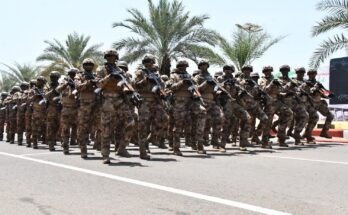
A significant portion of public funds has been diverted to defense since the regime change. However, increased military expenditure has not translated into decisive battlefield gains.
The armed forces face multiple challenges:
- A vast and difficult-to-control territory;
- Multiple active fronts;
- Highly mobile terrorist groups;
- Logistical bottlenecks.
The relentless pressure on troops has led to equipment wear, operational fatigue, and rising costs. Each attack underscores the limitations of a military-first approach in addressing a crisis rooted in economic, social, and territorial factors.
Economic strain: borders closed, supply chains broken
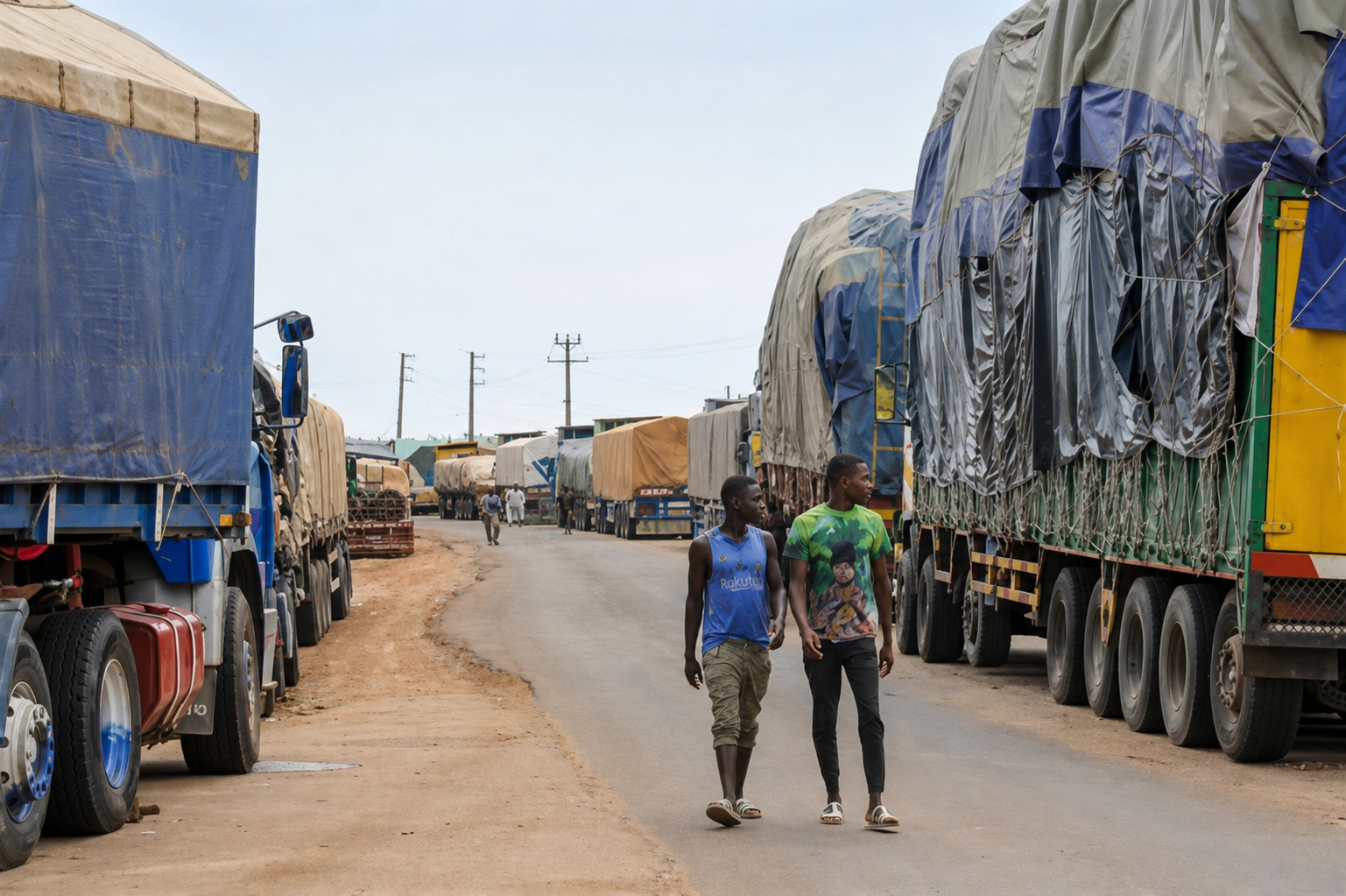
Niger’s economy relies heavily on regional trade, particularly through the Cotonou-Niamey corridor, a long-standing commercial lifeline. The prolonged closure of the border with Bénin, compounded by regional diplomatic tensions, has severely disrupted this vital trade route.
The consequences are widespread:
- Extended supply delays;
- Soaring transportation costs;
- Frequent shortages of essential goods;
- Rising consumer prices.
Households are feeling the pinch as purchasing power declines. Staple foods, medicines, construction materials, and everyday goods have seen consistent price hikes, placing a heavy burden on families.
Local economies crumble under trade restrictions
Border cities like Gaya, once thriving hubs of cross-border commerce, have seen business activity plummet. Key sectors affected include:
- Transport and logistics providers;
- Customs brokers and warehouse operators;
- Small-scale traders;
- Hotels and roadside services.
The contraction in trade has also reduced state revenue, further limiting the government’s ability to invest in critical areas.
The oil pipeline dilemma: a stalled economic lifeline
The Niger-Bénin pipeline, connecting the Agadem oil fields to the Sèmè terminal, was touted as a transformative project for the country’s development. Oil revenues were expected to fuel growth and reduce poverty.
However, the persistent tensions between Niamey and Cotonou have thrown the project’s future into doubt. The uncertainty surrounding this infrastructure sends a discouraging signal to international investors, who prioritize stability for long-term commitments. What was meant to be an engine of prosperity now symbolizes the country’s diplomatic isolation.
Diplomatic isolation and shifting alliances
The military regime has overhauled Niger’s foreign policy, severing long-standing partnerships with Western nations while deepening ties with Russia and joining the Alliance of Sahel States alongside Mali and Burkina Faso. The stated goal is to reclaim national sovereignty.
Yet, this reorientation has not eased the country’s challenges. Niger now faces:
- Reduced international funding;
- Limited cooperation with technical partners;
- Strained relations with neighboring countries;
- Restricted access to regional mechanisms.
The pursuit of sovereignty has come at a cost, bringing new constraints that weigh heavily on the economy and governance.
From one dependency to another: the limits of military cooperation
The withdrawal of French forces was framed as a victory for national autonomy. Yet, military cooperation with Russia has expanded rapidly. This shift raises a critical question: has Niger truly eliminated foreign dependence, or merely exchanged one external reliance for another?
On the ground, the nation’s security still depends partly on foreign partners, undermining the official narrative of strategic independence.
Public services under strain: where development falters
The surge in defense spending has left little room for social investment. Public services are struggling to meet growing needs, with shortages evident across sectors:
- School infrastructure remains inadequate;
- Healthcare facilities face supply shortages;
- Public investments are delayed;
- Local services are deteriorating.
This imbalance risks creating a vicious cycle: increased military spending crowds out development funds, just when investment in social sectors is most needed to address the root causes of insecurity.
A society at breaking point
The economic strain is taking a toll on daily life. Families confront a growing list of challenges:
- Persistent price increases;
- Fewer job opportunities;
- Declining incomes in border regions;
- Uncertain economic prospects.
These pressures are eroding social cohesion and increasing the vulnerability of the most disadvantaged populations.
Three years after the coup: a governance model tested by reality
General Tiani’s regime arrived with bold promises: restore security, reclaim sovereignty, and improve living conditions. Yet, the reality is stark. Niger remains mired in insecurity, economic decline, financial strain, and diplomatic isolation. The focus on military solutions, compounded by regional tensions and structural economic weaknesses, has deepened the crisis. Each challenge feeds into the next, making it increasingly difficult to break free from the downward spiral.