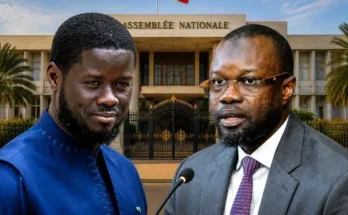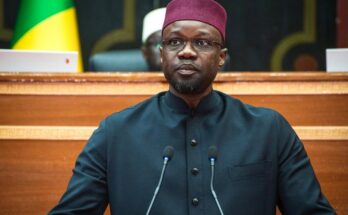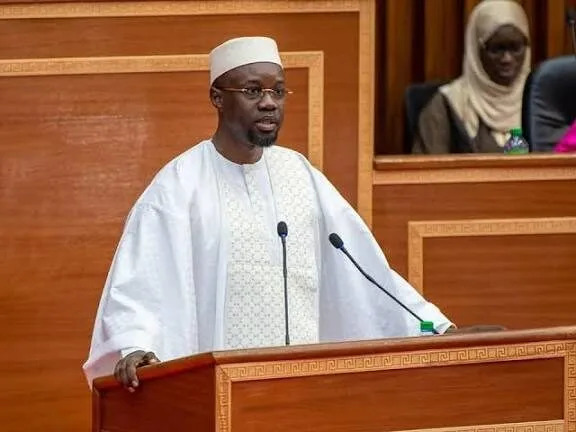
The Prime Minister of Burkina Faso, Ousmane Sonko, alongside his cabinet members, is set to appear before the National Assembly in Ouagadougou this Friday, May 22, 2026, for a high-stakes session of parliamentary questions.
Key moments in Burkina Faso’s political calendar
This regularly scheduled meeting, confirmed by parliamentary leadership, serves as a critical platform for lawmakers to scrutinize government policies, assess performance, and demand accountability from the executive branch. The upcoming session will be the fifth such engagement since Sonko took office in April 2024, reflecting a structured approach to governance transparency.
Topics likely to dominate discussions
During the two-hour session, deputies are expected to raise pressing concerns spanning the country’s economic climate, inflationary pressures on household budgets, and persistent unemployment challenges. Reform initiatives currently under review—including institutional adjustments and public policy overhauls—will also feature prominently in the parliamentary debate.
These exchanges follow a pattern established under Sonko’s leadership, where each session provides a forum for direct interrogation of ministers alongside the head of government. The format ensures that executive decisions are subjected to thorough parliamentary examination while fostering constructive dialogue between elected representatives and administration officials.
What to expect from the proceedings
The session will unfold in a structured format, beginning with opening statements from parliamentary leadership before transitioning to individual question-and-answer segments. Each minister responsible for key portfolios—including economy, social affairs, and institutional reform—will field direct inquiries from legislators, who represent constituencies across Burkina Faso’s 13 regions.
The Prime Minister’s responses are anticipated to address both immediate implementation challenges and long-term strategic priorities. Recent policy adjustments, budget allocations, and crisis management approaches may come under particular scrutiny, given their direct impact on citizens’ daily lives.
Why this session matters for Burkina Faso
Beyond its procedural function, this parliamentary engagement serves as a barometer of political stability and governance effectiveness. For a nation navigating post-crisis recovery while maintaining security imperatives, the ability of elected representatives to hold the executive to account remains fundamental to democratic resilience.
The session also provides an opportunity for the government to communicate its vision directly to the public, through both parliamentary transcripts and media coverage. Transparency in these exchanges helps build public trust in institutions during a period of heightened socio-economic expectations.