From fiery orator to statesman: the transformation of Ousmane Sonko
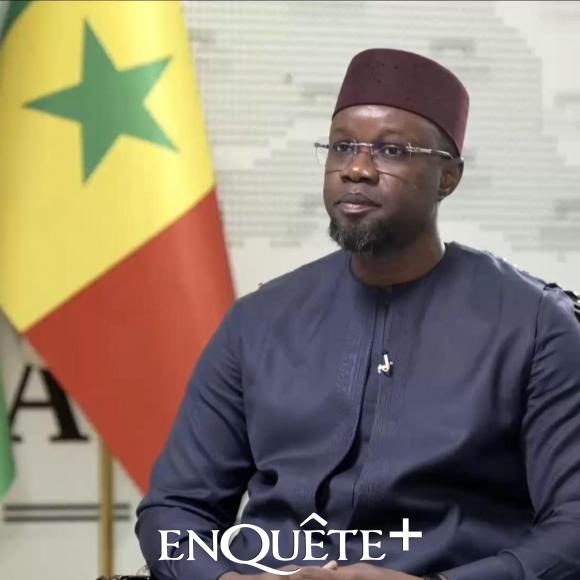
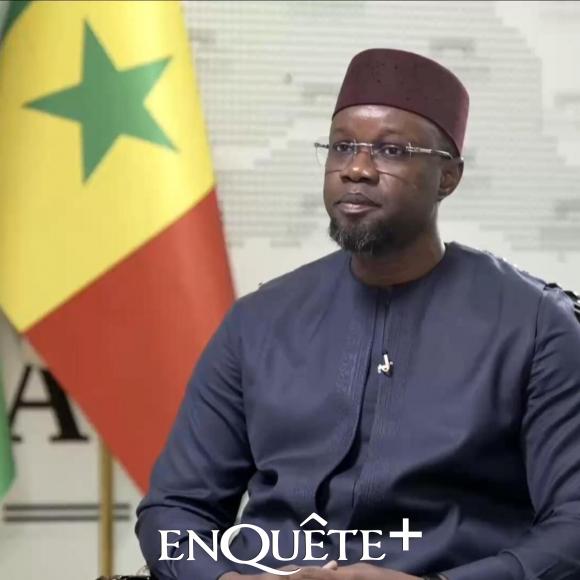
Since departing from the Prime Minister’s office, Ousmane Sonko has undergone a remarkable shift in his public communication style. Once known for his fiery rhetoric and confrontational tone, the Pastef leader now presents himself as a voice of moderation and restraint. His recent appearances suggest a deliberate effort to soften his image, adopting the persona of a statesman rather than a political agitator.
Pastef’s evolution: maturing into a responsible party
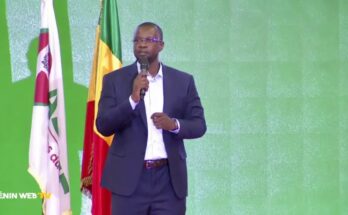
Speaking at the recent Diamniadio party congress, Sonko emphasized the need for maturity within Pastef. He urged his most vocal supporters to adopt a more measured approach in public discourse, warning against insults and provocations that could undermine the party’s credibility. « Our words carry weight, and we must choose them wisely, » he told the assembled crowd. « Religious leaders, families, and ordinary citizens all follow our lead. We must not let provocations define us. »
His own public statements have reflected this newfound restraint. Gone are the days of absolute declarations on contentious issues like debt restructuring. Today, Sonko’s responses are carefully weighed, often leaving room for interpretation. When pressed on whether he would oppose debt restructuring as he once did, he remarked, « We are not bound by rigid positions. Each situation demands careful evaluation. » His tone has shifted from combative to collaborative, framing his role as one of constructive engagement rather than opposition.
Contradictions and shifts in messaging
Yet this evolution is not without its inconsistencies. Sonko’s remarks on the debt question reveal a pattern of shifting positions. While he has previously called for the cancellation of so-called « odious debt, » his tone has softened since leaving office. He now acknowledges the complexity of the issue, stating, « As Prime Minister, I opposed reckless restructuring. Today, I recognize the need for nuance. The interests of Senegal must come first. » His responses to direct questions about his past calls for debt cancellation have been notably vague, leaving many to wonder whether his stance has truly changed or merely his delivery.
On social issues, such as the criminalization of homosexuality, Sonko has also adjusted his rhetoric. While he has long opposed the practice, his recent statements have introduced new justifications—particularly the link to HIV transmission—that were not prominent in his earlier discourse. « The focus is on breaking the chain of transmission, » he asserted, a subtle yet significant shift from his previous framing of the issue.
A strategic pivot toward political legitimacy
Sonko’s transformation extends beyond policy positions. His public statements about President Bassirou Diomaye Faye reflect a deliberate effort to distance himself from the acrimony of the past. No longer does he use terms like « betrayal, » instead framing their differences as « political divergences. » He has also dismissed suggestions of a personal feud, portraying their relationship as one of mutual respect despite policy disagreements.
At the Diamniadio congress, he urged Pastef members to reject provocations that could incite unrest. « Our opponents lack legitimacy, » he warned. « They seek to provoke us, to paint us as instigators of conflict. We must not fall into their trap. » His message was clear: Pastef must project an image of intellectual rigor and civic responsibility, not confrontation.
Is this a genuine transformation or political calculation?
The question remains: Is Sonko’s shift a reflection of genuine political maturation, or a calculated strategy to rebuild his image ahead of future elections? His past unpredictability—once delivering a fiery speech in the morning and a conciliatory one in the evening—raises doubts about the consistency of his new approach. Yet, if this evolution is deliberate, it may signal a new chapter for both Sonko and Pastef, one where measured discourse takes precedence over confrontation.