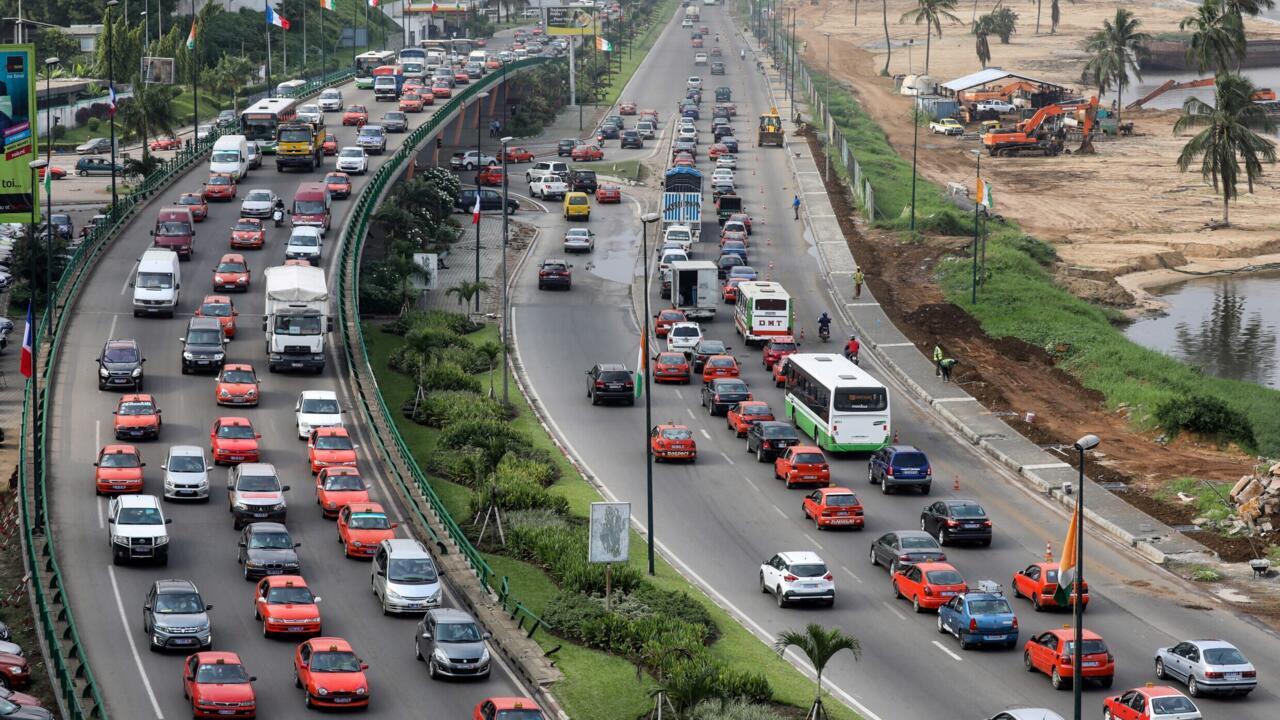
Over a thousand electric vehicles are now plying the roads of Côte d’Ivoire. These silent, fuel-free cars have found a particularly strong foothold in the ride-hailing sector, where their reduced operating costs are proving irresistible. Yet, despite this growing momentum, significant hurdles remain: high purchase prices, a scarcity of charging stations, and heavy reliance on imports.
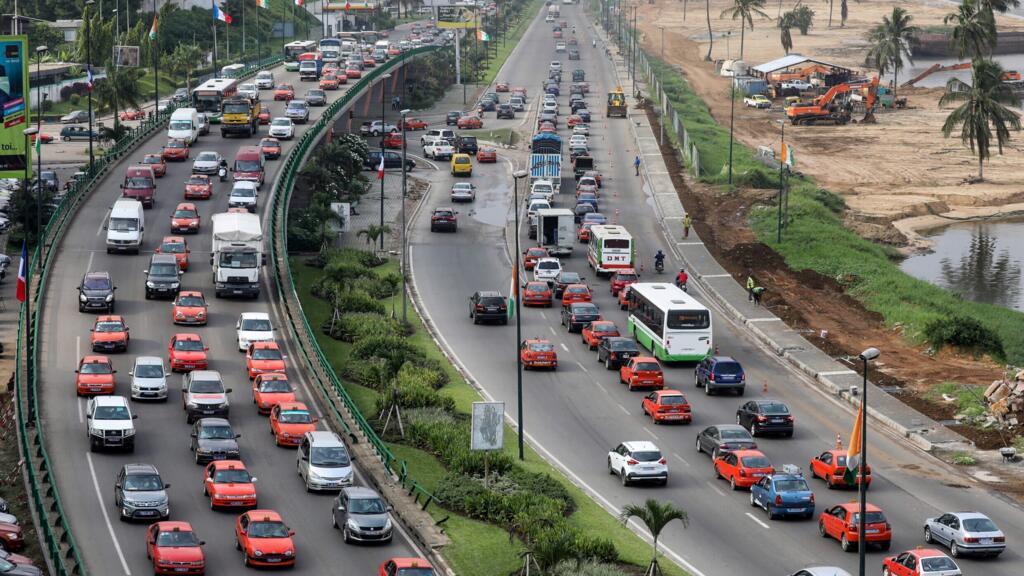
Mouhamed Kanaté, a VTC driver in Abidjan, has been at the wheel of an electric vehicle for two years. Each day, he hands over 28,000 FCFA to his employer. A trained accountant with a passion for environmental issues, he opted for an electric vehicle to cut his daily expenses and boost profitability: «Unlike gasoline-powered cars, recharging an electric vehicle costs no more than 13,000 FCFA, while the minimum for a thermal vehicle is 20,000 FCFA. This allows me to operate below the 20,000 FCFA threshold and still turn a profit to support my family and cover other expenses. It’s truly cost-effective.»
The three leading VTC operators in Côte d’Ivoire have now embraced electric vehicles. Industry insiders report that nearly 300 such vehicles are already serving urban routes in Abidjan. However, the expansion of this green mobility faces persistent challenges: steep acquisition costs – upwards of 14 million FCFA per vehicle – and a limited number of charging stations, with fewer than 100 nationwide. Repairs can also be complicated, as Mouhamed Kanaté explains: «The main difficulties lie in maintaining the equipment. Spare parts are scarce because these vehicles are imported, and there are currently few retailers for mechanical components.»
Government incentives to drive investment
As demand grows, several dealerships are expanding their offerings. Sinoafrik, a major distributor of Chinese brands in Abidjan, has made electric SUVs and sedans a centerpiece of its showroom in Cocody. Initially, the company had to educate and reassure customers. «We encouraged them to familiarize themselves with the models, emphasizing their economic and practical benefits,» says Reine Trésor Gosset, a sales representative. «Now, there’s genuine demand, with more buyers than mere curiosity seekers. The most popular models are those designed for VTC services and small 25-seat vehicles.»
The Ministry of Transport is committed to supporting this shift toward greener mobility, particularly through incentives for investors. «Our investment code already includes many advantages to promote and facilitate investor installations,» explains Jean-Marc Atché, Director of Planning and Projects. «We are actively supporting numerous ongoing projects, including the construction of a major factory that will assemble electric vehicles locally in Côte d’Ivoire.»
The Ivorian government aims to lead by example. By 2030, it plans for 10% of the public administration’s vehicle fleet to be electric.