This Thursday, August 6, 2026, marks a significant institutional turning point for Bénin. Following the election of the very first executive bureau of the new upper parliamentary chamber, former President of the Republic Patrice Talon was chosen to preside over the Senate. Surrounded by a bureau composed of seasoned figures from national politics, the former head of state embarks on a new chapter dedicated to serving Béninois institutions.
A historic election for the new upper chamber
The establishment of the Senate’s first executive bureau solidifies a pivotal stage in Bénin’s political landscape. Emerging from the institutional reforms and constitutional revision of November 2025, this new institution aims to bolster representative democracy and offer in-depth scrutiny of legislative development.
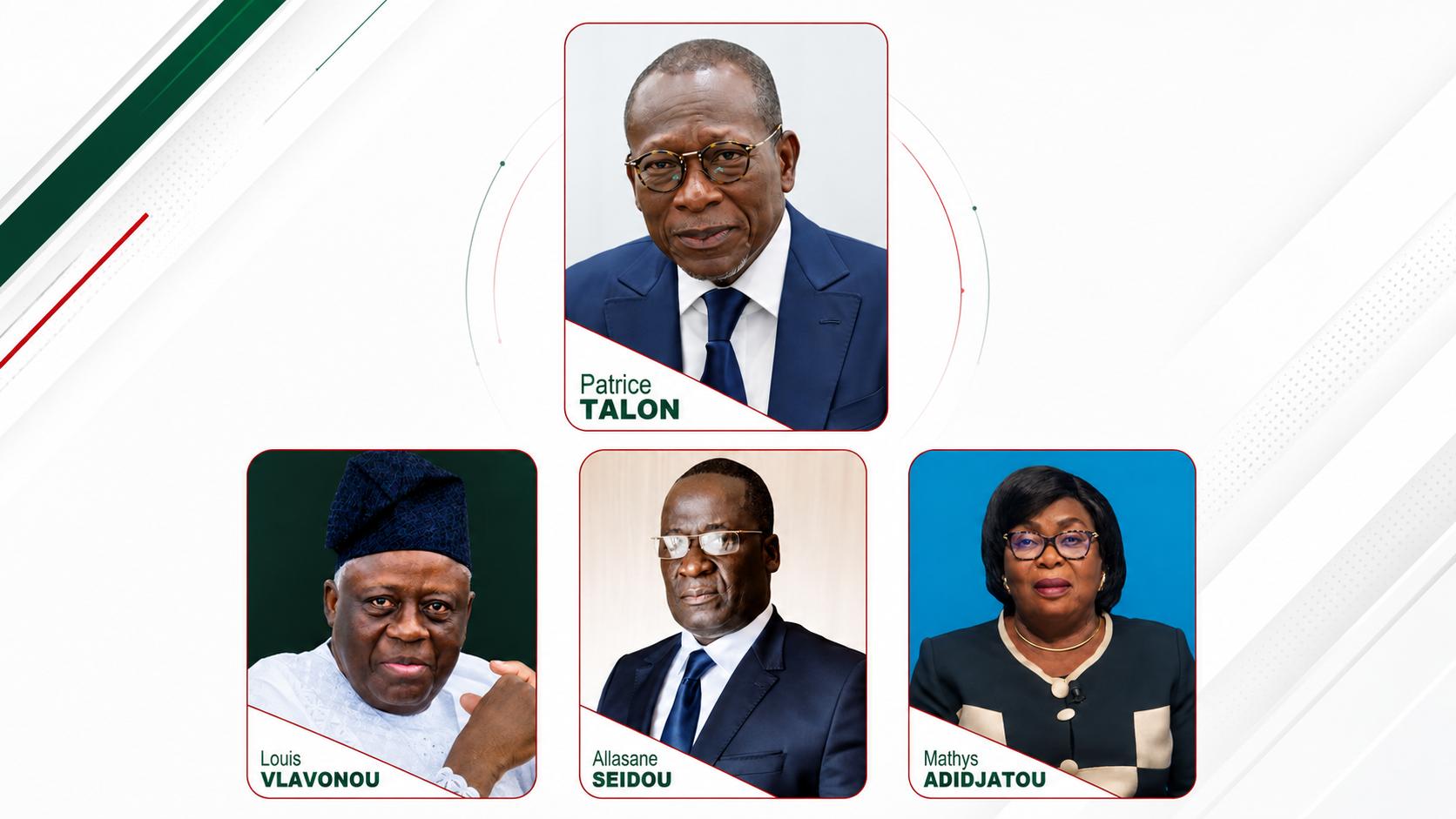
During the ballot organized this Thursday, senators placed their trust in Patrice Talon to lead the institution’s presidency. The composition of the bureau reflects a commitment to combining political continuity with administrative competence. Patrice Talon, former President of the Republic, now heads the institution, supported by Louis Vlavonou, former President of the National Assembly, as vice-president. Former Minister of Interior Alassane Séïdou assumes the duties of rapporteur, while Adidjatou Mathys, an experienced former minister and senator, takes on the role of deputy rapporteur.
The presidential legacy: foundations of recognised leadership
The selection of Patrice Talon for the Senate presidency is largely underpinned by the legacy of his two terms leading Bénin. During his tenure as President of the Republic, the head of state spearheaded profound structural transformations across various critical sectors.
Modernising infrastructure and urban environments
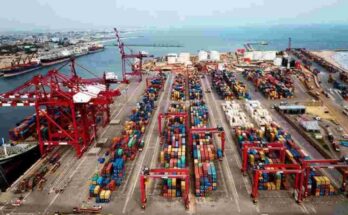
Under his impetus, the government’s action program facilitated the renewal of road networks, urban planning, and the development of port and energy infrastructure. These projects significantly enhanced the country’s economic appeal within the sub-region.
Economic reforms and fiscal discipline
The sanitation of public finances and the improved business climate fostered Bénin’s economic growth. The modernization of administrative management and the digitalization of public services also characterized governance in recent years.
Consolidating institutions
Institutionally, the strategic vision deployed during his mandates aimed to modernize the state apparatus, rationalize the partisan system, and construct a legal framework adapted to contemporary development challenges.
The merits of an experienced figure at the Senate’s helm
The appointment of a former President of the Republic to lead the Senate bestows upon the upper chamber a unique moral and political authority. For a newly established institution, having a seasoned president offers several strategic advantages.
Firstly, his background guarantees a proven mastery of state mechanisms. Thanks to his intimate knowledge of economic, social, and diplomatic issues, Patrice Talon brings first-rate expertise to the analysis and refinement of legislative texts.
Secondly, his stature positions him as a guarantor of institutional stability. His experience at the highest level of the executive provides a balanced and informed counterbalance in legislative work, fostering constructive dialogue among the country’s various institutions.
Finally, he embodies administrative efficiency. Known for his method focused on rigor, results, and operational demands, the new Senate president is poised to instill an ambitious work pace within the new chamber.
Challenges and prospects for the Béninois Senate
Now formally installed, the Senate faces a substantial agenda. As the second parliamentary chamber, its primary missions will include examining bills and legislative proposals, issuing opinions on major national orientations, and representing regional territories.
Observers generally agree that the synergy between the executive bureau and all senators will be crucial for establishing the high assembly’s credibility. The combined experience of Patrice Talon, Louis Vlavonou, and former government members provides a solid foundation for addressing these challenges.
Patrice Talon’s ascension to the presidency of Bénin’s Senate seals the institutional return to prominence of a man whose career has profoundly shaped the nation. By dedicating his experience, organizational acumen, and state vision to the upper chamber, the former president possesses all the assets to build a strong, respectable institution fully committed to Bénin’s stability and development.