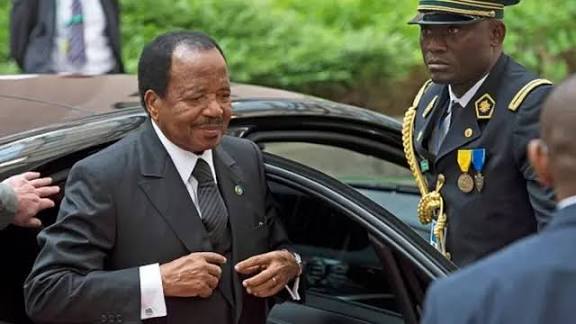
Cameroon’s president, Paul Biya, left Yaoundé on June 7, 2026, under the guise of a private visit, according to an official statement. However, what was initially framed as a brief trip has stretched into an extended absence spanning over two months. The lack of official updates has fueled speculation and raised concerns across the Central African Economic and Monetary Community (CEMAC) region.
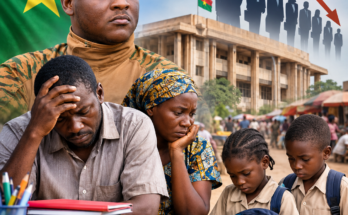
During his absence, Cameroon’s political and economic stability has come under scrutiny. The prolonged vacancy at the helm has left policymakers and regional partners grappling with uncertainty, particularly as the country plays a pivotal role in CEMAC’s financial and trade dynamics. Investors and analysts are closely monitoring the situation, wary of potential disruptions in policy continuity and regional cooperation.
While no formal explanation has been provided, the absence has triggered discussions about succession plans and the potential impact on Cameroon’s leadership in the bloc. The CEMAC bloc, which includes Cameroon, Gabon, Chad, Equatorial Guinea, the Central African Republic, and the Republic of the Congo, relies on Cameroon’s economic and diplomatic influence to maintain regional cohesion.
As days pass without clarity, the situation underscores the fragility of institutional balance in a region where political transitions often carry significant economic consequences.