Boko Haram jihadists retreat from Lake Chad after regional military offensive
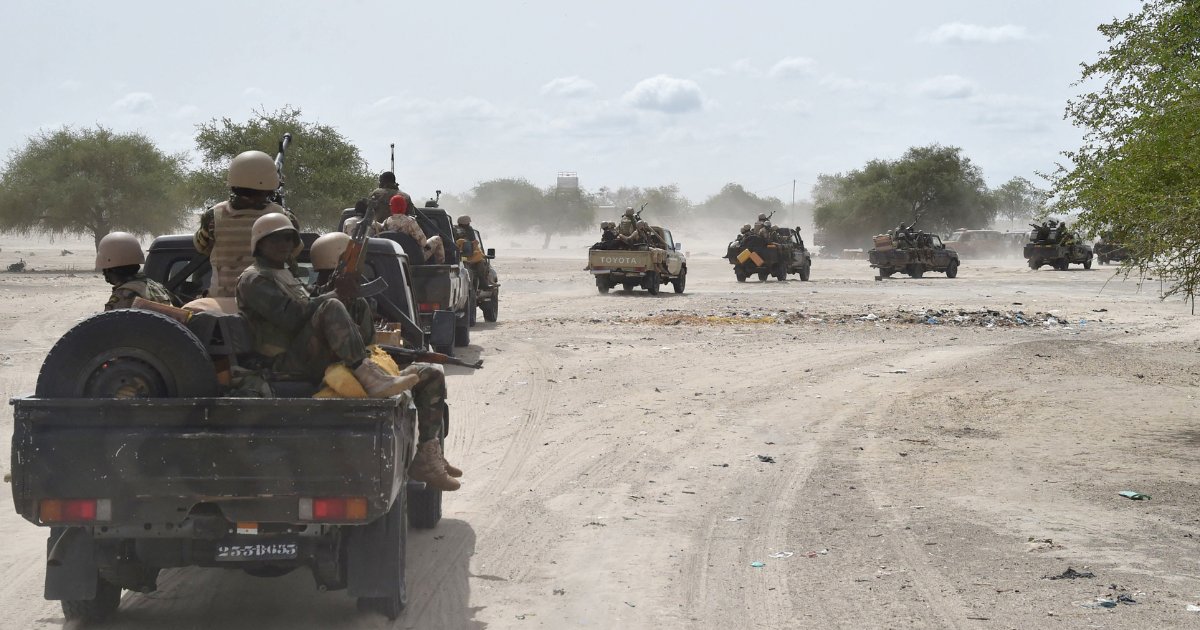
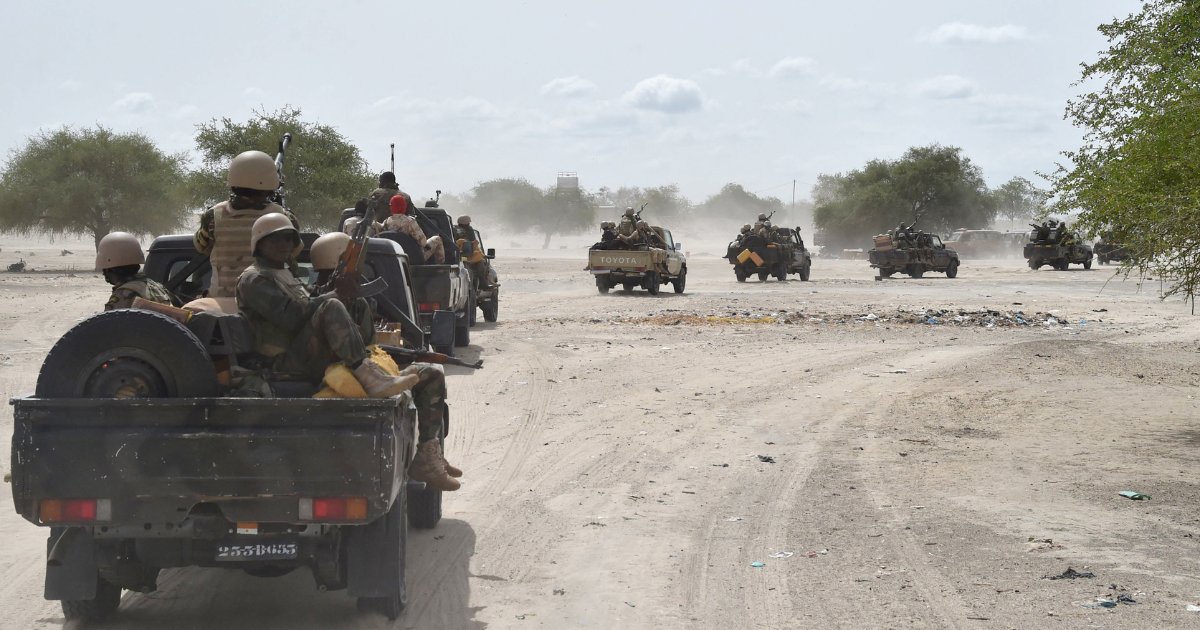
Boko Haram fighters have abandoned their hideouts along the Lake Chad basin following sustained aerial bombardments and coordinated ground operations by Chadian troops, backed by Nigerian and Nigerien forces. Local witnesses and a Nigerian intelligence source confirmed the developments on Tuesday.
The offensive began Friday when Chadian warplanes targeted jihadist positions on remote islands scattered across the Lake Chad region—a vast wetlands straddling Nigeria, Cameroon, Niger and Chad. This area has served as a major stronghold for both Boko Haram and the Islamic State’s West Africa Province (ISWAP) since 2009.
The airstrikes reportedly killed dozens of Nigerian fishermen operating in zones under Boko Haram’s control, where the group enforces a brutal taxation system on local communities.
Civilian casualties and jihadist displacement
Footage obtained from affected areas shows severely burned fishermen receiving treatment at a hospital in Bosso, Niger. One survivor, Suleiman Hassan, arrived in Maiduguri—the capital of Borno State, Nigeria—on Monday, recounting how Boko Haram militants fled the Shuwa region, a contested border area shared by Nigeria, Niger and Chad.
« Under relentless bombardment, Boko Haram fighters abandoned their island camps, escaping with their families in small canoes, » Hassan stated. He specifically mentioned the islands of Dogon Chukwu, Kangarwa, Gashakar, Yawan Mango and Kwatar Mota as key evacuation points.
Meanwhile, Chadian soldiers engaged in direct combat with jihadists on Kaukeri Island, widely recognized as Boko Haram’s primary operational hub in the lake’s vicinity.
Military responses to recent Boko Haram attacks
The coordinated offensive follows a surge in deadly ambushes by Boko Haram against Chadian security forces. Last week, Chad declared three days of national mourning after an ambush claimed the lives of two high-ranking generals. Just two days prior, another attack on a military outpost along the lake’s shores resulted in at least 24 Chadian soldier fatalities.
According to a Nigerian intelligence operative who requested anonymity, the current campaign involves a tri-national air support strategy: « Chadian, Nigerian and Nigerien fighter jets are conducting synchronized airstrikes, with each country deploying two combat aircraft. »
Reports indicate that remaining Boko Haram fighters and their families are now trapped along the lake’s edges, reluctant to advance toward ISWAP-controlled territories due to the longstanding rivalry between the two groups—a feud dating back to their 2016 split.
Decade-long insurgency and regional security implications
The jihadist insurgency, which has ravaged Nigeria’s northeast for over a decade, has spilled across borders into Niger, Chad and Cameroon. The cross-border violence has forced regional governments to revive the Multinational Joint Task Force—a security alliance established in 1994 to combat shared threats.
With thousands killed and millions displaced since the conflict’s inception, the recent military gains offer a glimmer of hope amid ongoing instability in Africa’s Sahel region.