The economic landscape of Sénégal is under intense scrutiny as policymakers, economists, and civil society leaders convene in Dakar to address the nation’s escalating debt crisis. At the heart of the discussion is a critical question: can traditional austerity measures imposed by international lenders provide a sustainable path forward?
The two-day International Conference on Debt in Sénégal, themed « Debt crisis in Sénégal: moving toward progressive, sustainable solutions beyond IMF-style austerity », has become a pivotal moment for rethinking economic policies in West Africa.
Criticism of IMF policies gains momentum
Economist Ndongo Samba Sylla, a prominent voice at the conference, delivered a scathing critique of the International Monetary Fund (IMF), arguing that its lending practices have exacerbated, rather than resolved, the country’s debt burden.
« The IMF is not the solution—it is part of the problem, Sylla asserted. It perpetuates external debt traps that disproportionately benefit creditor nations like the United States and France. The most indebted countries are often geopolitical allies of Western powers, yet they remain trapped in cycles of austerity. For us, the IMF will never be the answer. »
The criticism extends beyond rhetoric. Sylla and other experts are pushing for debt cancellation, particularly for obligations deemed illegitimate or incurred under questionable circumstances.
Regional cooperation: a way forward?
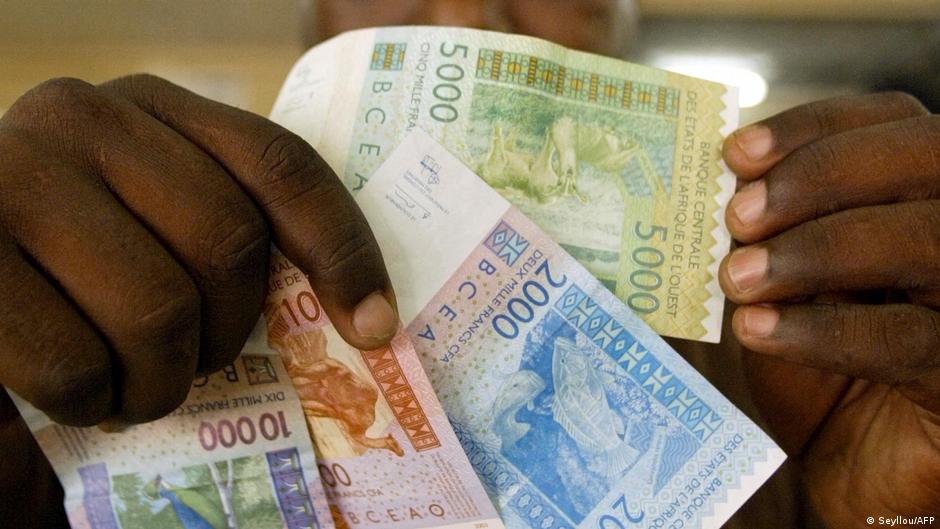
Not all experts agree on the root causes. Alioune Tine, founder of the Afrikajom Center, challenges the notion that the CFA franc is the primary driver of debt woes. Instead, he emphasizes the need for a collective African response to debt restructuring.
« Debt cannot be tackled in isolation. Sénégal must work alongside other African nations to build leverage against unjust austerity policies that stifle our economies. Strength lies in unity—only together can we say ‘no’ to predatory lending. »
Transparency and accountability take center stage
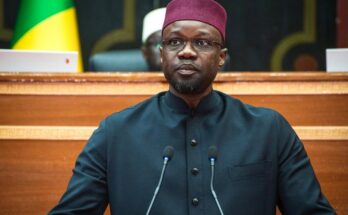
The conference follows revelations by Prime Minister Ousmane Sonko in late 2024, which exposed hidden debts and budgetary irregularities inherited from previous administrations. The IMF later confirmed that Sénégal’s debt exceeds 130% of its GDP.
In response, the ruling Pastef-Les Patriotes party has pledged to strengthen parliamentary oversight of debt management. Ayib Daffé, parliamentary group leader, stressed the need for « stricter parliamentary control over debt and budget execution, ensuring fiscal laws adhere to principles of transparency and honesty. »
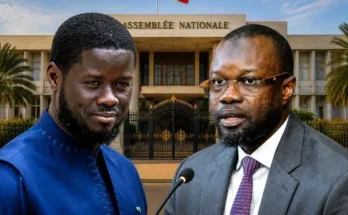
Meanwhile, President Bassirou Diomaye Faye recently met with IMF Managing Director Kristalina Georgieva on the sidelines of the Africa-France Summit in Nairobi. The goal? To explore viable solutions for Sénégal’s deepening economic crisis, now in its third year.
Beyond austerity: seeking sustainable alternatives
As the debate intensifies, one thing is clear: the status quo is unsustainable. Whether through debt cancellation, regional cooperation, or sweeping fiscal reforms, the path forward demands bold action. Can Sénégal break free from the cycles of debt and austerity? The answer may well shape the economic future of West Africa.