Rising poultry prices in Ati, Chad strain households and traders
The surge in poultry prices in Ati is putting pressure on households, traders, and farmers, threatening local food security and economic stability. Solutions are urgently needed to stabilize the market.
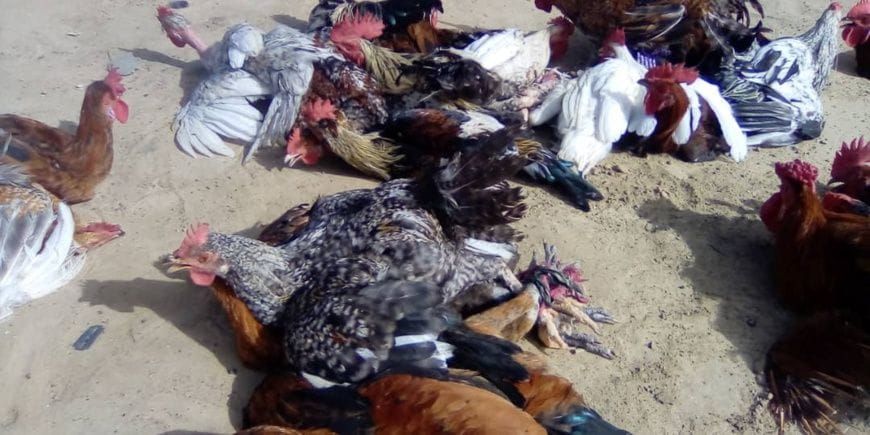
The rapid increase in poultry prices in Ati is casting a shadow over daily life, straining the budgets of households, traders, and farmers alike. Once a staple in local diets, poultry now poses a growing challenge amid rising living costs.
Empty cages, empty wallets: the market reality in Ati
The central market in Ati is quieter than before. Customers once bustling around poultry stalls now pause to haggle over prices they can barely afford. What used to be routine purchases—chickens and Guinea fowl—have become rare luxuries. Prices have skyrocketed in recent months, disrupting long-standing food habits and squeezing every link in the poultry supply chain.
Prices soar across the board
Chickens that once sold for 6,000 to 8,000 FCFA now fetch between 10,000 and 15,000 FCFA, depending on size and season. Smaller birds, once priced at 1,500 to 2,000 FCFA, now cost between 3,500 and 6,000 FCFA. Guinea fowl and roosters follow the same upward trend, especially during religious holidays and family gatherings when demand peaks.
Households forced to adapt their diets
For many families, poultry is slipping from the dinner table. With the cost of living rising, even basic food items are becoming unaffordable. “We used to cook chicken once a week for the children,” says Amina Mahamat, a mother of five. “Now, it’s a rare treat. We’re forced to cut back and choose cheaper options.”
This shift is taking a toll on nutrition. Poultry has long been a key source of animal protein for countless families. As prices climb, many are turning to less nourishing alternatives, compromising both diet quality and food security in the region.
Traders struggle to keep sales alive
For vendors, higher prices don’t mean higher profits. Sales have dwindled as customers tighten their belts. “Even when we raise prices, our income isn’t increasing,” says Issa Hassan, a poultry seller with over a decade of experience. “Fewer people are buying, and many leave empty-handed.”
Restaurants and street food vendors are feeling the pinch too. To stay afloat, some have raised meal prices or reduced portion sizes—moves that risk driving away regular customers.
Farmers grapple with rising production costs
While consumers lament the high prices, poultry farmers are also under pressure. Feed costs, veterinary supplies, and transport expenses have all surged. Add to that the challenges of dwindling grazing land, water shortages during dry seasons, and recurring disease outbreaks that can wipe out entire flocks. “Our expenses keep climbing every month,” says Abakar Abdoulaye, a local farmer. “We have to charge more just to break even, but that doesn’t mean we’re making a profit.”
A local economy under strain
The ripple effects extend far beyond the poultry stalls. Livestock feed sellers, transporters, small traders, and restaurateurs are all seeing slower business. Some estimates suggest poultry sales have dropped by 20 to 30 percent compared to last year, though official figures are still pending.
Economists warn that when consumption falls, the entire supply chain weakens—affecting household incomes and small business revenues across the region.
Calls for urgent intervention
Local leaders and market actors are urging authorities and development partners to step up support for the poultry sector. Key recommendations include:
- Making poultry feed more affordable and accessible;
- Strengthening veterinary services and vaccination campaigns;
- Providing financing options for small-scale farmers;
- Offering technical training to boost local production.
These measures could help increase supply, stabilize prices, and safeguard food security in the Batha region.
A growing concern for daily survival
The poultry price surge in Ati highlights the broader struggle of households coping with a rising cost of living. Without lasting solutions, the situation risks deepening poverty and stalling local economic growth. For many residents, access to nutritious food is becoming a daily challenge—making price control for essential goods a top priority for local and national leaders.