Stretching across 400 kilometers of shared border with Mali, where intense commercial exchanges thrive, Senegal faces growing unease over its eastern neighbor’s escalating turmoil. To counter spillover risks, Dakar is quietly fortifying its security posture along the frontier.
strategic silence hides intensified border security
The capital remains tight-lipped about operational details, yet officials acknowledge heightened vigilance following recent attacks. «We are closely monitoring the situation, especially regarding transporters. So far, no repatriation requests have been filed, and we continue to exercise caution,» stated a foreign ministry spokesperson, declining to elaborate further.
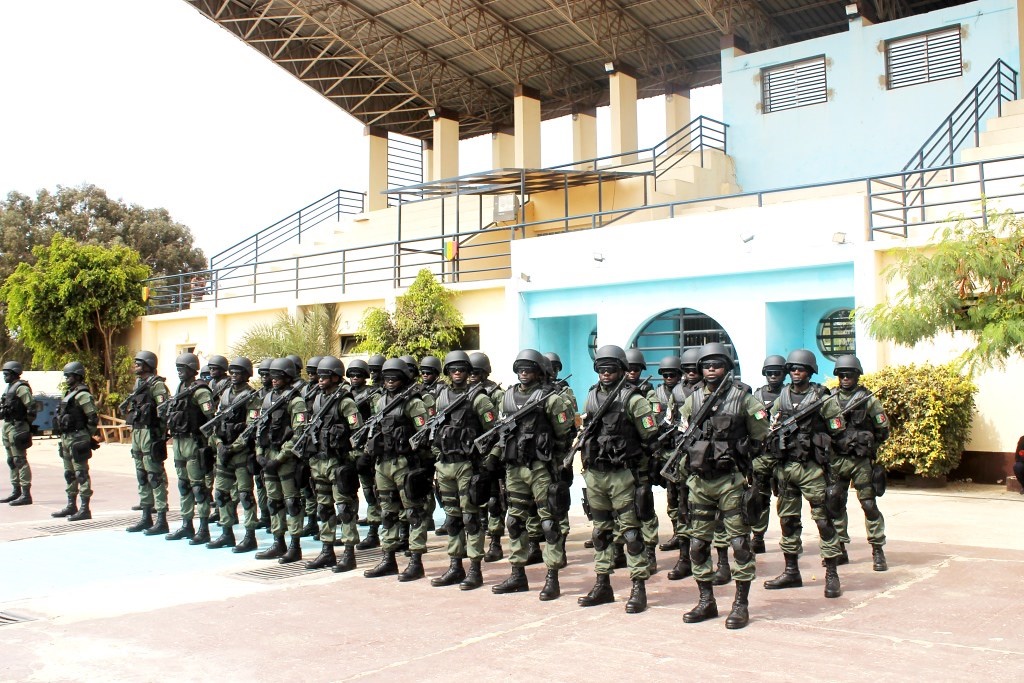
While refraining from public statements, authorities are advancing tangible measures. In early April 2026, three new operational bases were commissioned in Tambacounda and Kédougou regions—critical zones bordering Mali. Funded by the European Union and operated by the Garsi 2 rapid intervention unit of Saraya, these facilities aim to slash response times and enhance cross-border coordination.
Garsi 2 and Cico: cornerstones of Senegal’s counter-terrorism framework
rapid response units and coordination centers
The Garsi 2 units—stationed at Kidira and Saraya—serve as the vanguard of Senegal’s anti-terrorism strategy. «A 420 km border cannot be manned mile by mile, but strategic chokepoints demand robust surveillance. These bases enable rapid reaction when threats materialize,» explained a senior military officer. Complementing this, the Cico (Inter-ministerial Coordination Framework) orchestrates multi-agency responses, from medical evacuations to joint patrols, ensuring seamless collaboration between police, gendarmerie, and armed forces.
Recent months have seen further upgrades: the activation of a legion headquarters in Kédougou, specialized research sections, and technical infrastructure enhancements. These investments reflect Senegal’s regional leadership in defense spending. Between 2020 and 2025, the country ranked second in sub-Saharan Africa for arms imports, securing armored vehicles like the Puma M36—engineered to withstand improvised explosive devices—a lesson drawn from Sahel conflicts. Additional agreements with Turkey in 2025 expanded the nation’s defensive capabilities.
cultural cohesion as an invisible shield
Analysts highlight that Senegal’s resilience stems from more than military hardware. The harmonious coexistence of ethnic and religious communities—particularly among the Bassari, Bédik, and Fulani groups in Kédougou—creates a cultural bulwark against radicalization. «Unlike Mali or Burkina Faso, where the JNIM exploits pastoralist-sedentary tensions, Senegal’s social fabric thwarts such divisions,» notes Bakary Sambe of the Timbuktu Institute. Sufi leaders and religious figures also play a pivotal role, collaborating with authorities to prevent extremist infiltration.
The president of Senegal, Bassirou Diomaye Faye, underscored this dual strategy during a May 2 interview. «Terrorism knows no borders—Nigeria and even the United States have faced unthinkable attacks. This demands continental solidarity and intelligence-sharing,» he asserted, advocating for collaborative frameworks within ECOWAS. Though lamenting the withdrawal of Sahel states from the bloc, he reaffirmed Senegal’s commitment to Mali’s stability: «Our histories are intertwined; what affects Mali affects us. The Senegalese people stand ready to support their Malian neighbors through dialogue and action.»
united front against transnational threats
Despite the discreet approach, joint patrols and intelligence exchanges with Mali persist. «Not everything can be disclosed publicly, but our cooperation continues behind the scenes,» the president noted, balancing transparency with operational security. As West Africa grapples with evolving security challenges, Senegal’s blend of military readiness, social cohesion, and regional diplomacy positions it as a key player in the fight against terrorism.