Dakar takes tough stance on oil deals with major firms
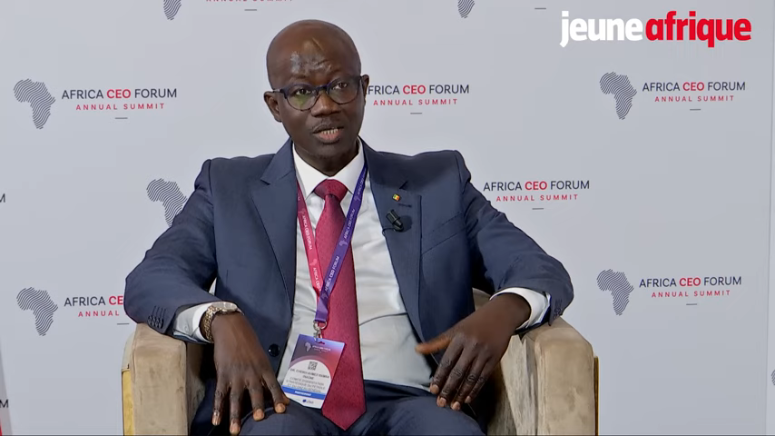
The Government of Senegal is preparing to escalate its dispute with international oil majors BP and Woodside by exploring legal arbitration to renegotiate existing petroleum contracts. This bold move was confirmed by Khadim Bamba Diagne, Permanent Secretary of the Strategic Orientation Committee for Oil and Gas, during a high-profile business forum in Africa.
Government prioritizes fair resource exploitation
Diagne emphasized that Dakar is leaving no stone unturned in its quest to secure favorable terms for the country’s oil and gas sector. With contracts spanning 30 to 50 years, he stressed the importance of addressing inequities early rather than allowing them to persist. “We have learned from our mistakes,” he stated, highlighting the need for immediate corrective action.
Balancing energy development with local livelihoods
The offshore oil and gas operations directly impact Senegal’s fishing industry, which employs between 600,000 and 700,000 citizens. Diagne condemned the current model, where African nations bear the brunt of environmental and economic externalities while multinational corporations reap the majority of profits. “A responsible state cannot accept an arrangement that harms such a vital sector without ensuring fair compensation,” he asserted.
The surge in global hydrocarbon prices has further fueled Senegal’s resolve. “While international firms are profiting from rising prices, Senegal must also benefit,” Diagne noted. He insisted that all joint venture partners must align their interests with the country’s economic goals, especially amid fluctuating market conditions.
Arbitration as a strategic lever
The Permanent Secretary argued that arbitration could establish clear legal precedents for future decades. With Senegal’s oil and gas projects still in their infancy, securing equitable terms now is critical. “We are setting the foundation for long-term fairness,” he explained. The move reflects a broader shift in resource-rich African nations seeking to maximize benefits from their natural wealth.
Diagne’s remarks underscore Senegal’s determination to challenge unfavorable contracts and prioritize sustainable, mutually beneficial partnerships in its energy sector.