Mali blocus by JNIM in Bamako draws criticism from Amnesty International
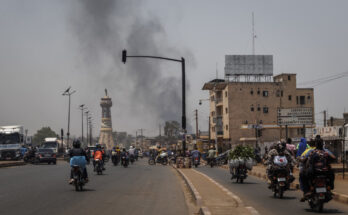
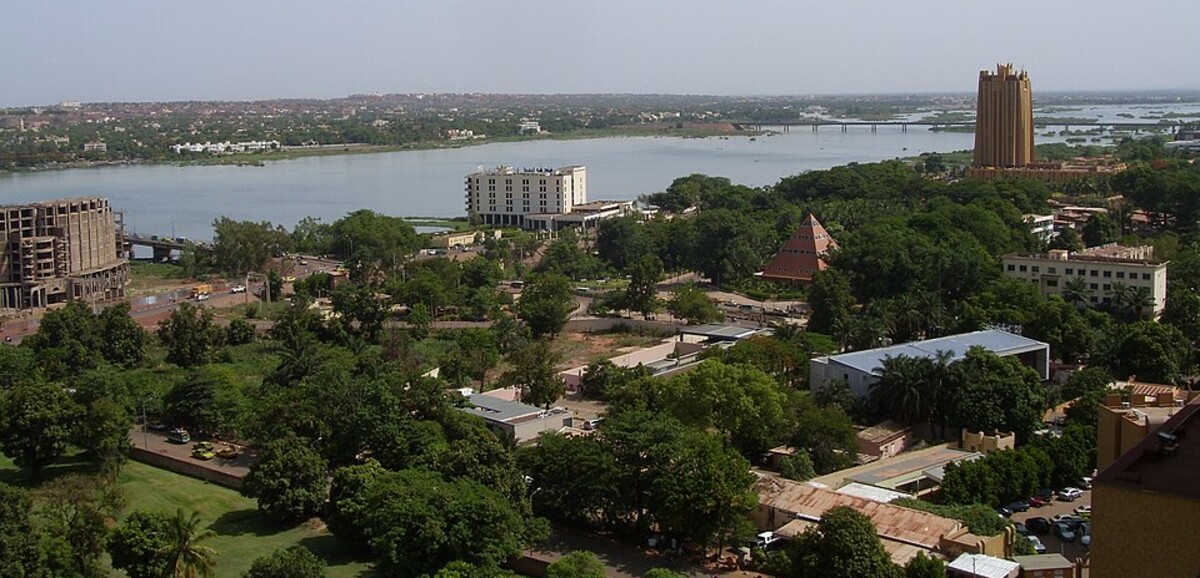
The capital of Mali, Bamako, has been under a blockade since April 30, enforced by jihadists from the Group for Supporters of Islam and Muslims (JNIM). The situation has drawn sharp condemnation from Amnesty International, which is urging the group to immediately restore the freedom of movement for civilians and ensure their safety.
The blockade follows coordinated attacks on April 25 and 26 against key military positions in Mali. These assaults were jointly carried out by JNIM, an Al-Qaeda affiliate, and the Azawad Liberation Front (FLA), a rebel faction. The militant activity has severely disrupted daily life in Bamako, cutting off essential supply routes and isolating the city.
Amnesty International warns of severe humanitarian impact
Amnesty International has labeled the blockade’s consequences as “unacceptable”, highlighting the severe restrictions on civilians’ ability to move freely within and beyond the capital. The organization stresses that the blockade threatens critical rights to food security, healthcare, and personal safety for residents.
In a strongly worded statement, the regional director of Amnesty International, Marceau Sivieude, emphasized the illegality of targeting civilian vehicles under international humanitarian law. “Attacks on civilian vehicles that are not transporting military personnel or equipment violate fundamental legal principles,” Sivieude noted. “All parties involved in the conflict must distinguish between combatants and civilians at all times.”
Disruptions to trade and transportation amid blockade
One of the most visible impacts of the blockade is the suspension of commercial transport services. Transport companies have halted operations to and from Bamako after a recent incident on May 6, in which a convoy of trucks carrying goods—including fruits—was attacked between Bamako and Bougouni. According to Amnesty International, the convoy was not escorted by military forces and contained no military personnel or equipment.
The blockade has forced businesses to reassess their operations, with many suspending deliveries and pickups in the affected areas. The halt in trade flows is exacerbating economic strains on local communities already struggling with the broader security crisis in the region.