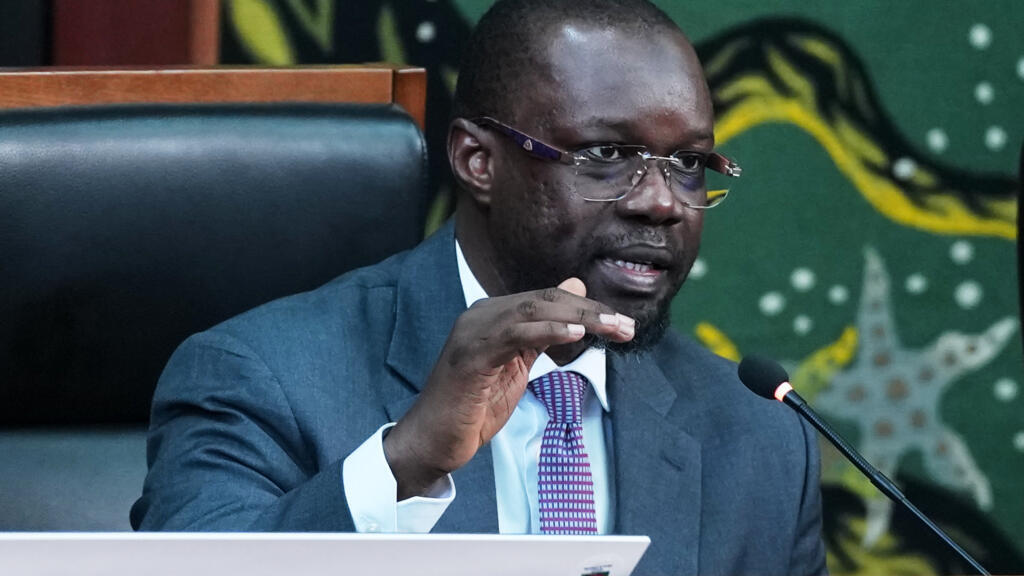
The newly formed government in Senegal has excluded representatives from the Pastef party, led by former Prime Minister Ousmane Sonko, according to an official announcement on June 1. This decision follows weeks of political tension between President Bassirou Diomaye Faye and Sonko, who was recently appointed Speaker of the National Assembly after being dismissed from his ministerial post.
The rift between the two leaders stems from disagreements over the composition of the new cabinet and the strategic role of the ruling party within the executive branch. Sonko’s party had been a key ally since the president’s election, making this exclusion a significant political shift for the country.
In a statement released on social media, Pastef confirmed its decision not to participate in the government, citing unresolved disputes with the presidency. “The meeting between the President and myself revealed both convergences and significant disagreements, particularly regarding the party’s role in the executive structure,” the statement read. It further noted that the party’s proposals were not accepted, leading to its complete withdrawal from the cabinet.
Sonko’s replacement as Speaker by Ahmadou Al Aminou Mohamed Lô marks another chapter in the political upheaval, as the new government comprises 30 ministers, none from the ruling party’s ranks. This restructuring comes at a critical time for Senegal, which is grappling with severe financial challenges.
The economic crisis has been exacerbated by the revelation of a 2024 debt underreporting scandal, which triggered the International Monetary Fund’s suspension of a $1.8 billion loan program. With public debt now exceeding 132% of GDP, authorities are urgently seeking to renegotiate terms with the IMF, aiming to secure a deal by June 30.
Political fallout amid economic strain
The exclusion of Pastef from the government reflects deeper fractures in Senegal’s political landscape, compounded by the nation’s financial instability. Analysts warn that prolonged uncertainty could further destabilize the country’s economic recovery efforts.