Sénégal’s new government takes shape without Ousmane Sonko’s Pastef party
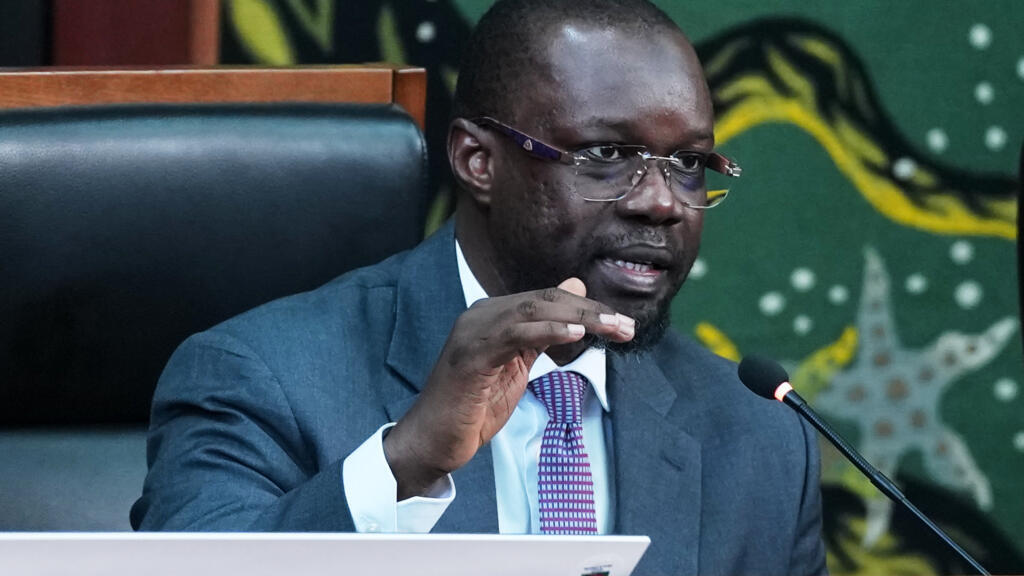
On Monday, June 1st, Senegalese President Bassirou Diomaye Faye unveiled his new government cabinet, notably excluding members of his own party, Pastef. The party, led by his long-time ally and former Prime Minister, Ousmane Sonko, confirmed its non-participation, citing fundamental disagreements between the two leaders regarding the composition of the new list.
This cabinet announcement follows a period of heightened political tension, culminating in President Faye’s dismissal of Ousmane Sonko just twelve days prior. Sonko has since assumed the influential role of President of the National Assembly. The separation of these two prominent figures marks a new phase of political uncertainty for Sénégal, a nation already grappling with a severe financial crisis.
Ahmadou Al Aminou Mohamed Lô, who succeeded Sonko, unveiled a list of 30 ministers. Notably absent from this new lineup are several key figures from the ruling Pastef party who had served in the previous government.
Moments before the official announcement, Ousmane Sonko released a statement via his social media channels, confirming Pastef’s decision not to join the incoming administration. The statement detailed a “long discussion” held that morning between himself, as party leader, and the President of the Republic. While certain areas of agreement were acknowledged, the statement highlighted “points of disagreement,” particularly concerning the majority party’s role and influence within the executive framework.
The communiqué further indicated that following a party meeting to discuss the outcome, new proposals were submitted to President Faye, but these did not receive a favorable response. Consequently, Pastef – Les Patriotes will not participate in the new government, nor will any of its members hold ministerial positions.
This political reshuffle unfolds as Sénégal navigates significant economic headwinds. The nation is contending with financial difficulties stemming from an under-declaration of debt by the previous government in 2024. This issue led the International Monetary Fund to suspend its $1.8 billion loan program to Sénégal, pushing the country’s debt to 132% of its Gross Domestic Product by the end of 2024. The Minister of Finance recently stated that Sénégal intends to re-engage in discussions with the IMF next week, with hopes of reaching an agreement on critical points by June 30th.
Related Posts