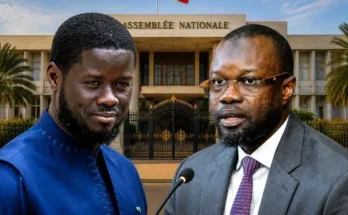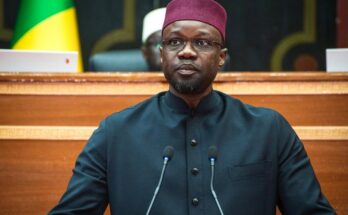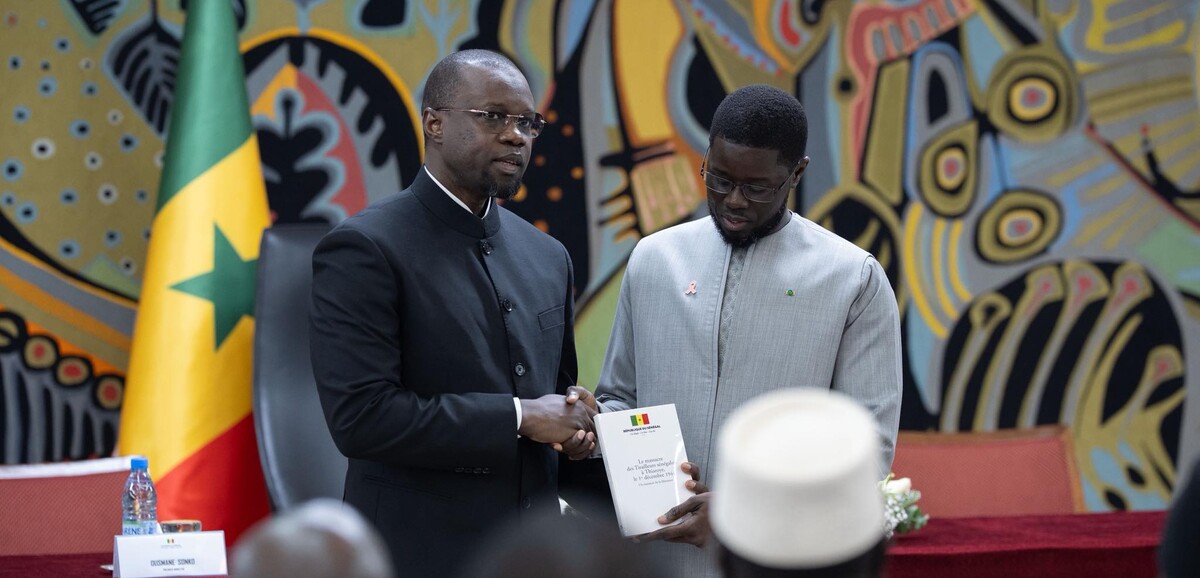
Five days after his removal from the Prime Minister’s office, Ousmane Sonko has been elected President of Senegal’s National Assembly. Meanwhile, President Bassirou Diomaye Faye has appointed a new head of government, elevating Babacar Ndiaye to the role. The political landscape in Dakar is now marked by fresh dynamics as key figures realign their positions within the legislative and executive branches.
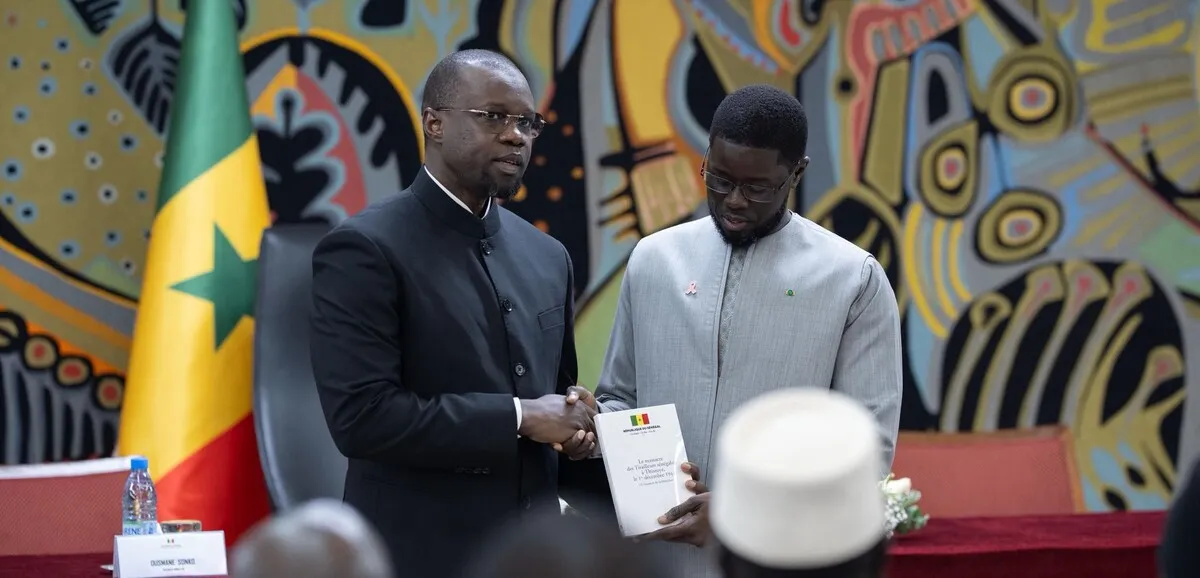
From dismissal to leadership: Ousmane Sonko’s return to parliament
Following his abrupt removal as Prime Minister, Ousmane Sonko has reclaimed his seat in the National Assembly and assumed the presidency of the legislative body. The move has sparked discussions about constitutional procedures and whether his reinstatement adhered to parliamentary rules. While some legal experts question the legitimacy of his return, others argue that his leadership of the 2024 electoral list justified his parliamentary mandate.
Sonko’s decision to step down from the Prime Minister’s position to focus on legislative duties reflects a strategic shift. His election to the Assembly presidency underscores his continued influence within Senegal’s political sphere, despite recent setbacks in government leadership.
A seasoned economist takes the helm of government
In a move blending continuity and technical expertise, President Bassirou Diomaye Faye has named Amadou Al-Aminou Lo as the new Prime Minister. Lo, an economist and former central bank official, brings valuable experience in financial markets and monetary policy—skills deemed critical amid Senegal’s current economic challenges.
Lo’s appointment is seen as a calculated choice, given his prior collaboration with both the President and Sonko. As Secretary-General of the government under Sonko’s tenure, he demonstrated a deep understanding of Senegal’s administrative and economic frameworks. His selection signals a preference for competence over purely political alignment, particularly in navigating the country’s financial landscape.
Dialogue and expectations in Senegal’s evolving political climate
Ousmane Sonko, now leading the National Assembly, has emphasized the importance of national dialogue and the need for policies aligned with the PASTEF’s electoral promises. While he acknowledged the President’s prerogative in appointing the Prime Minister, he expressed regret over not being consulted—a stance rooted in his role as both party leader and majority coalition head in the Assembly.
Sonko’s remarks highlight a broader concern: the gap between political decisions and citizen expectations. He stressed that the government’s actions must reflect the core issues central to Senegalese voters, including economic accountability, justice, and transparency. His call for dialogue suggests a willingness to bridge divides, though the absence of PASTEF ministers in the new government could signal lingering tensions.
Technical governance vs. political representation
The Prime Minister’s profile—rooted in economics over partisan loyalty—raises questions about the government’s direction. Lo’s background in central banking and financial governance positions him as a pragmatic choice, particularly in addressing Senegal’s economic pressures. However, his lack of direct political ties to the ruling coalition may limit his ability to mediate between factions.
As Senegal navigates these changes, the balance between technical governance and political representation will be pivotal. The coming weeks will reveal whether the new leadership can reconcile divergent interests while maintaining public trust in the country’s democratic institutions.