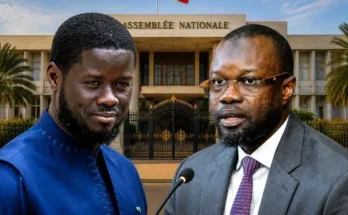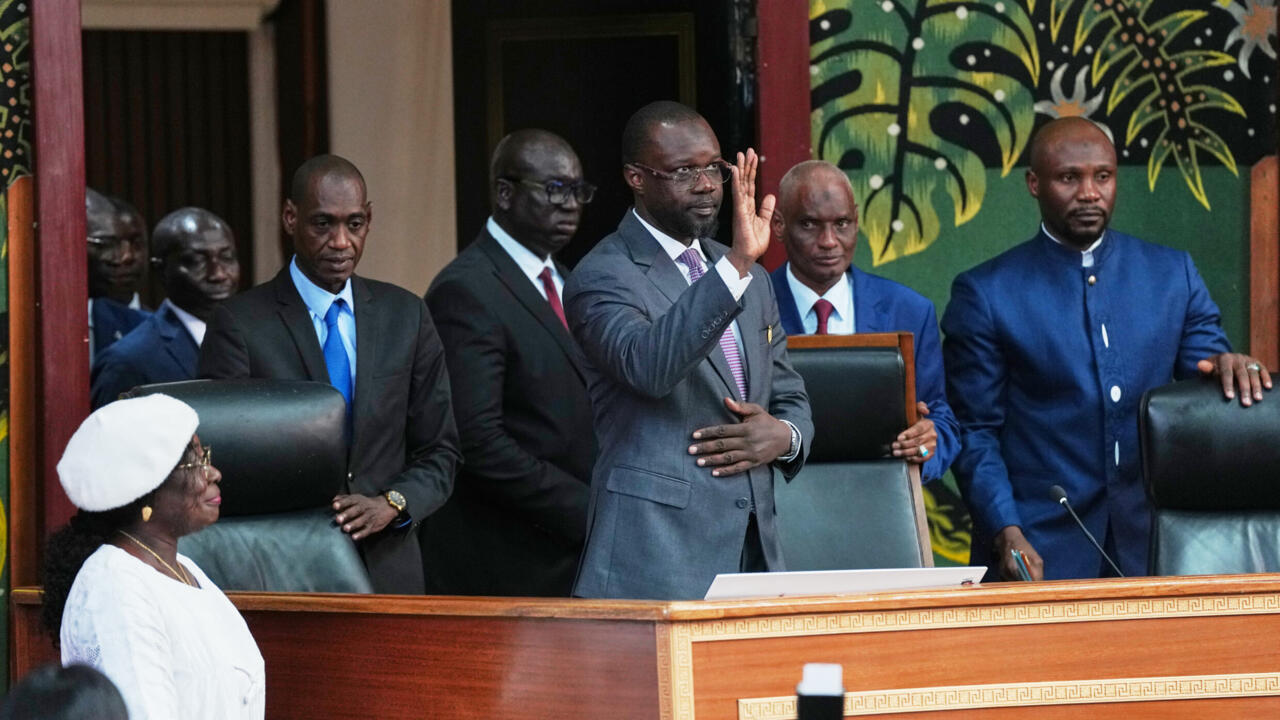
In Dakar, the political scene is undergoing significant shifts following Ousmane Sonko’s election as President of the National Assembly. This pivotal moment raises pressing questions about how President Diomaye Faye will navigate governance with an opposing parliamentary majority. Sonko, a prominent opposition figure, has signalled his intent to exercise oversight without triggering institutional crises, though he emphasized that the Assembly will not simply rubber-stamp government decisions.
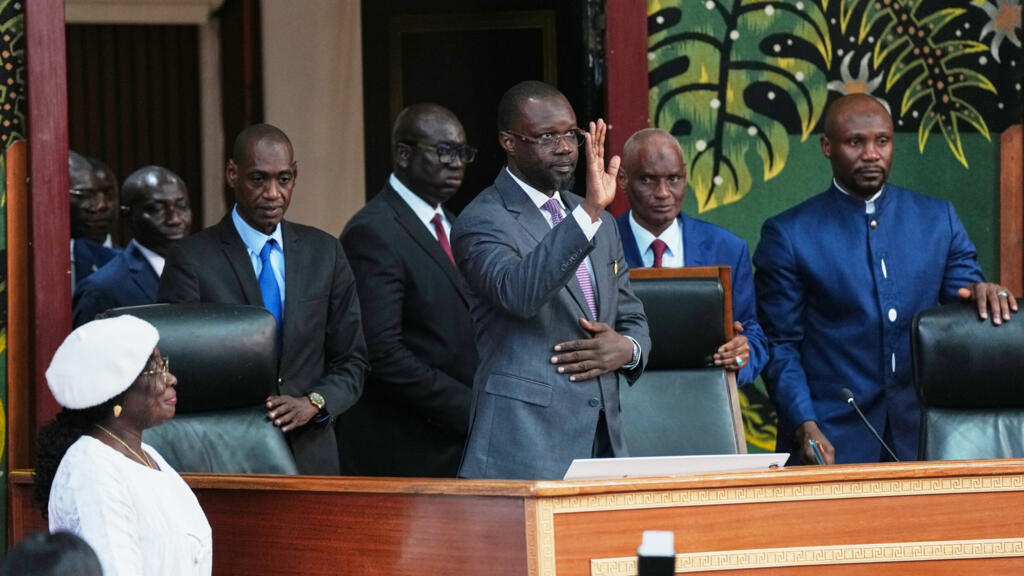
During his post-election address, Sonko acknowledged the potential for a difficult cohabitation, yet stressed that cooperation remains possible if mutual respect guides interactions. His election, which took place on Tuesday morning, marks a turning point in Senegal’s political landscape. Analysts suggest this development could lead to anticipated legislative elections if the Assembly’s dynamic continues to challenge the executive branch. Political science scholar Mamadou Lamine Sarr, based at the Université Numérique Cheikh Hamidou Kane in Dakar, provides insights into the evolving situation.
what does sonko’s presidency mean for Senegal’s political future?
The election of Ousmane Sonko as President of the National Assembly introduces a new phase of political interplay in Senegal. While Sonko has pledged to avoid institutional crises, his leadership signals a departure from passive legislative oversight. This shift prompts discussions about the potential dissolution of the Assembly and the possibility of early parliamentary elections. The balance of power between the executive and legislative branches is now under scrutiny, with stakeholders assessing the implications for governance and policy implementation.
key takeaways from sonko’s remarks
- Oversight without obstruction: Sonko emphasized that while the Assembly will not serve as a mere ‘recording chamber,’ he aims to foster a constructive dialogue with the presidency.
- Potential for early elections: Should tensions escalate, the possibility of dissolving the Assembly and holding legislative elections ahead of schedule remains on the table.
- Call for cooperation: Despite political differences, Sonko’s tone suggests an openness to collaboration, provided both sides adhere to democratic norms.
The coming weeks will be critical in determining whether Senegal can achieve a peaceful cohabitation between its executive and legislative branches. Observers will closely monitor the first parliamentary sessions to gauge the tone and substance of interactions between Sonko and President Faye’s administration.