Senegal’s Speaker Advocates for Revitalized African Parliamentary Union
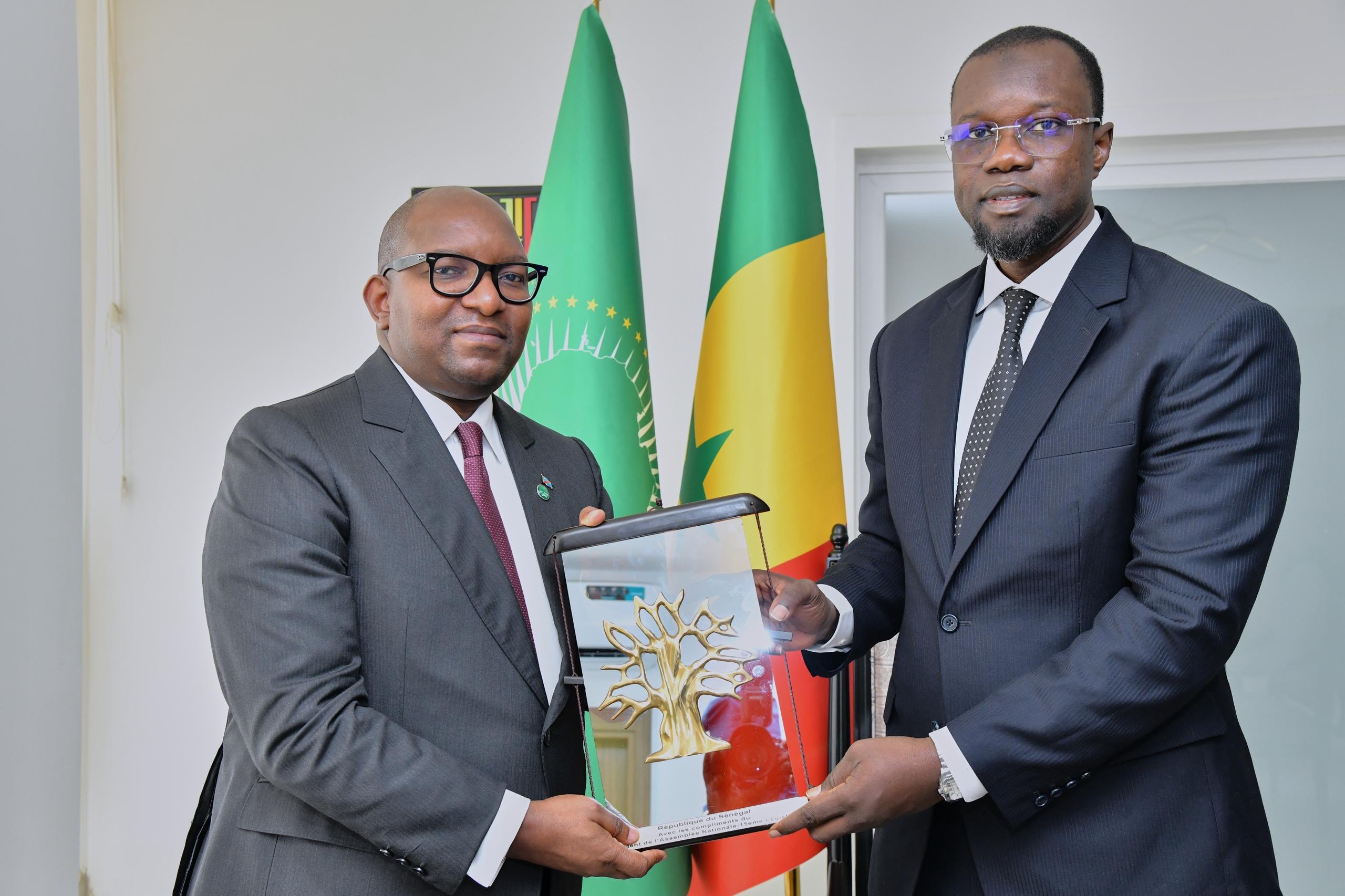
On June 4, 2026, Ousmane Sonko, President of Senegal’s National Assembly, held a strategic meeting with Jean-Michel Sama Lukonde Kyenge during the 85th session of the African Parliamentary Union (APU) Executive Committee in Dakar. The closed-door discussion centered on the urgent need to modernize the APU to better address Africa’s evolving political and economic landscape.
The high-profile engagement highlighted Sonko’s vision for a more dynamic and impactful parliamentary body. He outlined several reform proposals aimed at enhancing the APU’s operational efficiency and strengthening its alignment with the African Union’s broader objectives. The Senegalese parliamentary leader emphasized that a cohesive institutional framework could amplify the continent’s collective voice on critical continental matters.
During the talks, Sonko underscored the importance of synchronizing the APU’s policy recommendations with those of the African Union to create a more unified approach to governance and development across African nations. This, he argued, would foster greater cooperation and strategic cohesion among member states.
The meeting reflects a growing consensus among African parliamentary leaders on the necessity of institutional reform to bolster the continent’s governance structures. As Africa faces multifaceted challenges, the push for a more robust and responsive APU signals a commitment to strengthening democratic institutions and fostering sustainable progress.
Sonko’s advocacy for reform comes at a pivotal moment for the APU, which has increasingly been called upon to play a more active role in shaping Africa’s political and economic future. The proposals put forward during this session are expected to spark further deliberations among African legislators as they seek to redefine the APU’s mandate and operational dynamics.
With discussions ongoing, the outcome of these reforms could have far-reaching implications for how African parliaments engage in continental policymaking and implementation. The push for modernization is seen as a critical step toward ensuring that the APU remains relevant and effective in addressing the continent’s most pressing issues.
Key Proposals Discussed
- Enhanced Operational Efficiency: Streamlining processes to improve decision-making and implementation of resolutions.
- Alignment with African Union Policies: Ensuring APU recommendations complement broader AU strategies for greater coherence.
- Strengthened Collaboration: Fostering deeper partnerships between national parliaments and continental bodies to amplify collective impact.
- Institutional Modernization: Updating governance structures to better respond to contemporary challenges facing African nations.
Looking Ahead
The reforms proposed by Ousmane Sonko are likely to catalyze further dialogue among African parliamentary leaders. As the continent navigates complex geopolitical and economic terrain, the APU’s ability to adapt and lead will be instrumental in shaping a unified and prosperous Africa. The next steps will involve comprehensive consultations and consensus-building among member states to translate these proposals into actionable reforms.
The push for a revitalized APU underscores the importance of strong, adaptive institutions in driving continental progress. With Senegal’s leadership at the forefront, the momentum for reform is gaining traction, offering a promising path forward for African parliamentary collaboration.
Related Posts