Government U-turn exposes deep cracks in Niger’s ruling junta
Niger’s abrupt decision to freeze fuel prices following public backlash represents far more than a social policy shift—it marks the first significant policy retreat by the ruling Conseil national pour la sauvegarde de la patrie (CNSP) since its 2023 coup. Rather than signaling popular victory, the reversal underscores the military leadership’s growing unease as internal divisions widen and the specter of broader unrest looms.
Behind the scenes: a regime torn by conflicting agendas
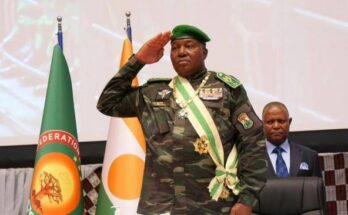
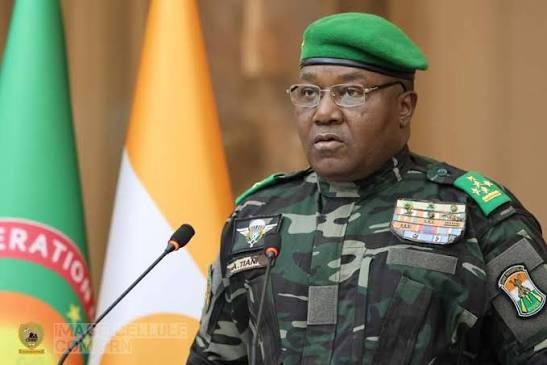
The volte-face came after contradictory signals from key institutions. While the transitional advisory council and petroleum ministry advocated for a “reasonable” tariff adjustment to stabilize public finances, General Abdourahamane Tiani’s final decision sided with political caution. This abrupt reversal highlights a critical rift within the Niamey power structure, where technocratic pressure clashes with fears of societal contagion.
For the first time since assuming control, the junta has demonstrated tactical hesitation—reflecting mounting apprehension over the potential for localized dissent to spiral into a broader destabilization crisis. The firm posture maintained since July 2023 has given way to a survivalist pragmatism, where each measure is carefully weighed against the risk of provoking further instability.
Economic quick-fix risks deepening crisis
The fuel price freeze may temporarily ease public pressure, but analysts warn it does little to address the underlying fiscal hemorrhage. In the absence of structural reforms, the regime’s choices risk exacerbating existing economic fissures, including:
- Parallel market dominance: Official fuel stations operating at capped prices face persistent shortages, driving up costs in the informal sector and fueling black-market profiteering.
- Resource commandeering: The delayed petroleum sector audit and recent shuffling of leadership at key state enterprises suggest an intensifying struggle for control over strategic revenue streams.
- Subsidy paralysis: The decision to block price hikes shifts the fiscal burden onto an already strained national budget, creating a ticking time bomb for future inflationary pressures.
From defensive maneuver to deadlock trap
While the CNSP frames the freeze as a concession to public welfare, critics argue it reveals deeper fragility. With agricultural deficits looming, security threats escalating in border regions, and energy subsidies already consuming a disproportionate share of state revenue, the junta has adopted a strategy of evasion rather than reform.
By opting for short-term relief over systemic overhaul, the military leadership may inadvertently hasten the arrival of a full-blown economic and social crisis—one that no price freeze can ultimately contain.
What comes next? A regime on unsteady ground
The fuel price freeze, initially framed as a triumph of popular demand, has instead laid bare the regime’s vulnerability. With each tactical retreat, the CNSP weakens its long-term credibility, pushing Niger closer to a critical inflection point where further concessions may no longer suffice.